Understanding clothing manufacturing cost in China is one of the first steps for fashion brands planning to produce custom apparel.
When brands work with a clothing manufacturer in China, the total production cost depends on several factors, including fabric selection, order quantity, garment design, customization requirements, and production processes.
As an experienced clothing manufacturer, we help fashion brands understand production costs before starting sampling and bulk manufacturing.
Many brands research clothing manufacturing cost in China before choosing a production partner.
How much does it cost to manufacture clothing in China?
For new brands, online clothing stores, and established fashion companies, understanding manufacturing costs is essential for planning budgets, setting product prices, and choosing the right production partner.
China is one of the world’s largest apparel manufacturing centers, offering complete supply chains, skilled workers, and flexible production solutions.
However, the final cost depends on many factors, including fabric selection, garment type, order quantity, customization requirements, and production processes.
This guide explains the main costs involved in clothing manufacturing in China.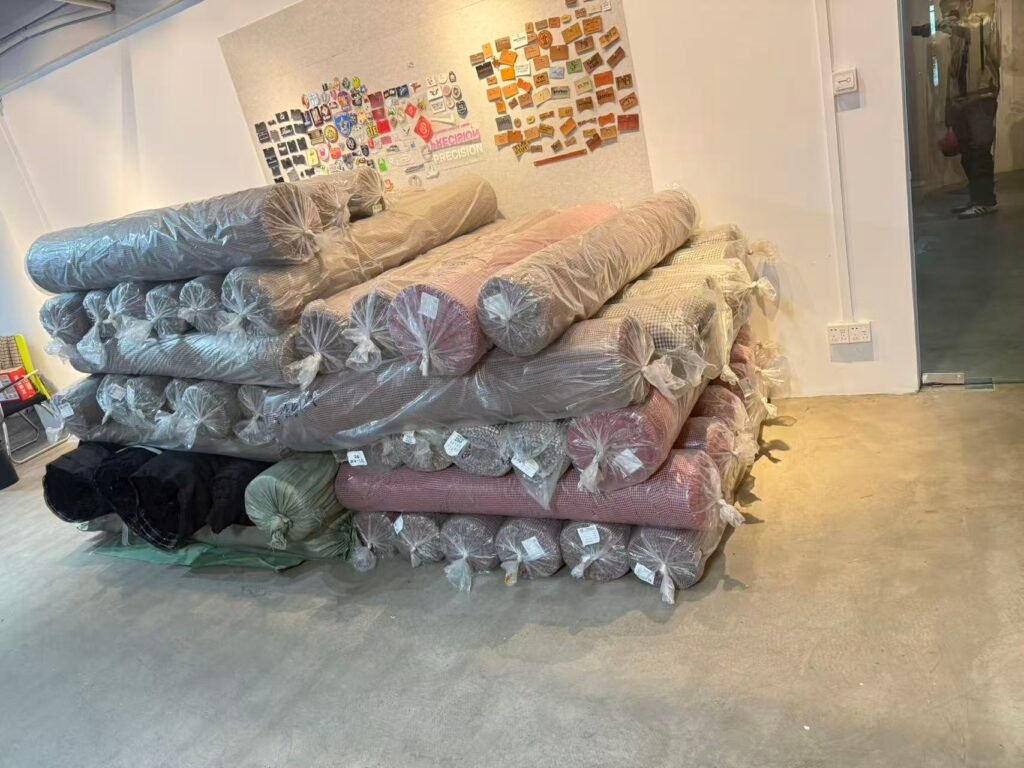
1. Average Clothing Manufacturing Costs in China
The following estimated costs are based on common custom apparel production requirements. Final prices may vary depending on fabric, design complexity, quantity, and finishing details.
The cost of producing clothing varies depending on the product category and customization level.
Typical production ranges:
| Product Type | Estimated Manufacturing Cost |
|---|---|
| Basic T-shirt | $3-$8 |
| Oversized T-shirt | $5-$12 |
| Custom Hoodie | $8-$25 |
| Sweatshirt | $7-$20 |
| Activewear Set | $15-$40 |
| Custom Jacket | $20-$60 |
These prices usually depend on:
- Fabric quality
- Design complexity
- Order quantity
- Printing or embroidery
- Labels and packaging
A larger production quantity normally reduces the average unit cost.
2. Fabric Cost: The Biggest Factor Affecting Clothing Prices
Fabric selection is usually one of the biggest factors affecting clothing manufacturing cost. Different materials can significantly change the final product price and quality.
Fabric is one of the most important parts of garment manufacturing costs.
Different materials create significant price differences.
Common fabrics include:
Cotton
Popular for:
- T-shirts
- Hoodies
- Casual wear
Cost depends on:
- Cotton quality
- Fabric weight
- Finishing process
Polyester
Commonly used for:
- Sportswear
- Activewear
- Performance clothing
Advantages:
- Durable
- Lightweight
- Cost-effective
Blended Fabrics
Many brands choose blends because they balance:
- Comfort
- Performance
- Price
A professional clothing manufacturer can help brands select fabrics based on their target market and budget.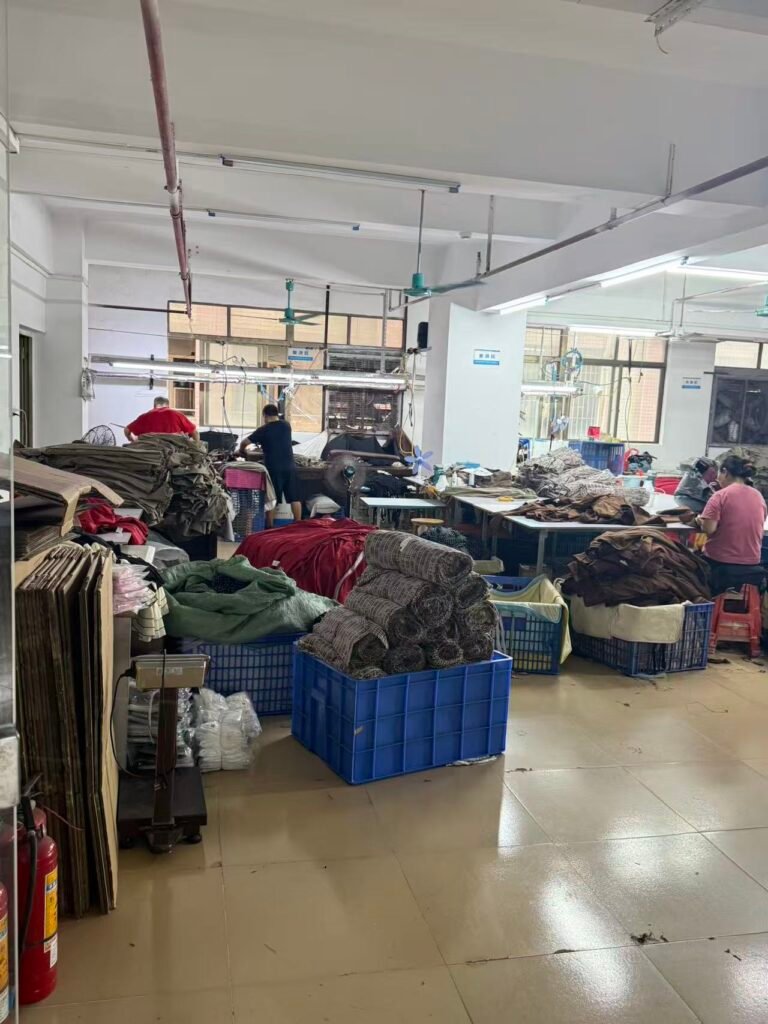
3. MOQ and Its Impact on Manufacturing Cost
MOQ means Minimum Order Quantity.
It represents the minimum number of pieces a factory requires for production.
For example:
A factory may offer:
- 100 pieces for simple products
- 300-500 pieces for customized styles
- 1000+ pieces for large production runs
Why does MOQ affect pricing?
Because factories need to prepare:
- Fabric purchasing
- Production planning
- Machine setup
- Labor scheduling
Higher quantities usually mean lower production costs per piece.
For startup brands, finding a flexible small batch clothing manufacturer can reduce initial investment.
4. Sample Development Costs
Before bulk production, most brands need samples.
Sample costs usually include:
- Pattern making
- Fabric sourcing
- Sewing labor
- Printing or embroidery
- Adjustments
A sample helps brands check:
- Fit
- Quality
- Design details
- Fabric performance
Professional manufacturers usually recommend confirming samples before starting mass production.
5. Customization Costs for Private Label Clothing
Many fashion brands require more than basic garments.
Additional customization may include:
Custom Labels
Including:
- Brand labels
- Size labels
- Care labels
Custom Packaging
Such as:
- Hang tags
- Poly bags
- Boxes
Printing and Embroidery
Common methods:
- Screen printing
- Heat transfer
- Embroidery
- Silicone printing
These details help brands create unique products but also influence manufacturing costs.
6. Labor and Production Costs
China has developed a complete garment manufacturing ecosystem.
Production costs include:
- Cutting
- Sewing
- Quality inspection
- Finishing
- Packing
A professional clothing factory with experienced workers can improve production efficiency, reduce defects, and maintain consistent quality during bulk manufacturing.
- Better production efficiency
- More consistent quality
- Fewer manufacturing problems
Choosing a professional factory can reduce hidden costs caused by defects and delays.
7. Shipping and Additional Costs
Manufacturing cost is not the final product cost.
Brands should also consider:
- International shipping
- Import taxes
- Packaging
- Warehouse fees
- Payment fees
A complete cost calculation helps brands create accurate pricing strategies.
8. How Fashion Brands Can Reduce Manufacturing Costs
Successful brands usually control costs through smart planning.
Choose the Right Fabric
Premium fabrics increase cost, but the cheapest option may affect quality.
The goal is finding the right balance.
Start With Practical Quantities
Avoid ordering too much inventory before testing market demand.
Work With an Experienced Manufacturer
A professional factory can provide:
- Better production planning
- Material recommendations
- Quality control support
9. Is Manufacturing Clothing in China Still Worth It?
For many global fashion brands, China remains an attractive manufacturing destination because of:
✔ Complete supply chain
✔ Experienced garment workers
✔ Flexible customization
✔ Competitive pricing
✔ Strong OEM production capability
The key is choosing the right manufacturing partner.
Conclusion
The cost of manufacturing clothing in China depends on many factors, including product type, fabric choice, customization level, and order quantity.
For brands planning to create custom apparel, working with an experienced custom clothing manufacturer can help control costs while maintaining quality.
A reliable manufacturing partner can support everything from product development and sampling to bulk production and delivery.
Ready to Start Your Clothing Production?
Whether you are building a new fashion brand or expanding your existing collection, our team can help with:
✔ Custom garment development
✔ Fabric sourcing
✔ Sampling
✔ Bulk production
✔ Quality inspection
Contact our factory today and get a custom clothing manufacturing quote.
A professional manufacturer can help brands control clothing manufacturing cost in China while maintaining product quality.