Manufacturing clothing in China has become a popular choice for fashion brands worldwide because of its competitive pricing, skilled workforce, and complete apparel supply chain.
For fashion brands looking for reliable production partners, understanding manufacturing costs is the first step before choosing an OEM clothing manufacturer in China.
However, one of the most common questions from fashion startups and established brands is:
How much does it cost to manufacture clothing in China?
The answer depends on many factors, including fabric selection, garment complexity, order quantity, customization requirements, and production methods.
Understanding these cost factors can help brands create realistic budgets and choose the right manufacturing partner.
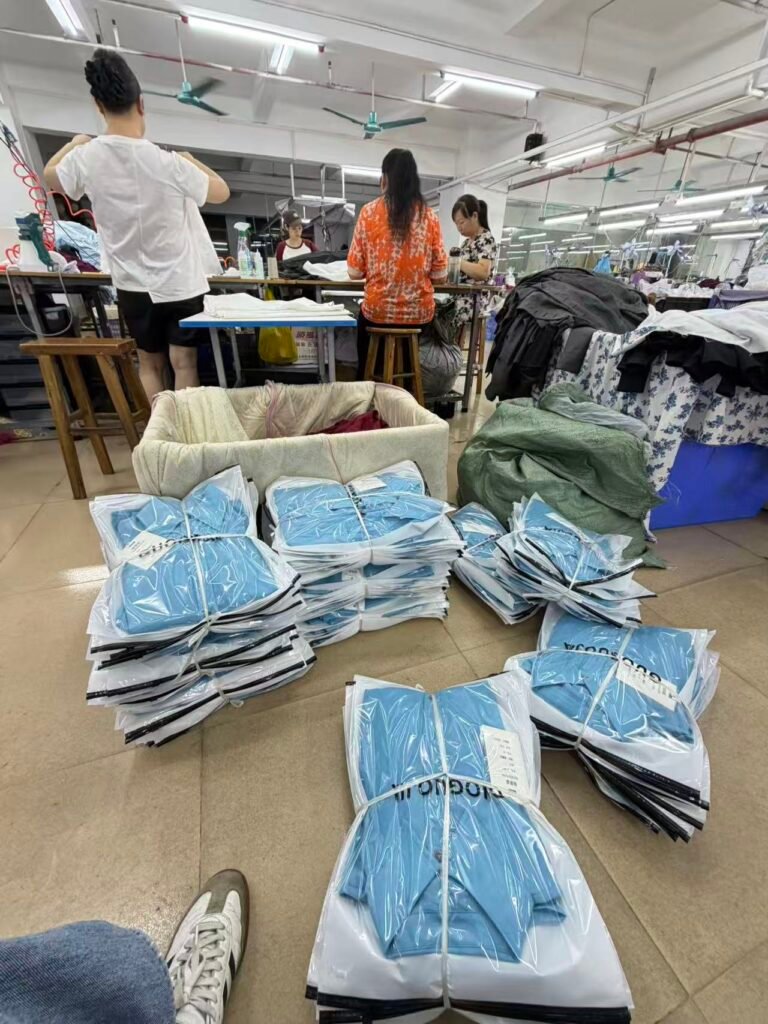
In this guide, we will explain the main factors that influence clothing manufacturing costs in China.
1. Average Cost of Manufacturing Clothing in China
The cost of producing garments in China can vary significantly depending on the product type.
As a general reference:
Basic T-shirt
Estimated manufacturing cost:
$3 – $8 per piece
Factors include:
- Fabric quality
- Weight of material
- Printing requirements
- Quantity ordered
Hoodies and Sweatshirts
Estimated manufacturing cost:
$8 – $20 per piece
Factors include:
- Fabric thickness
- Construction complexity
- Embroidery
- Washing process
Jackets and Outerwear
Estimated manufacturing cost:
$15 – $50+ per piece
Factors include:
- Multiple layers
- Technical fabrics
- Hardware accessories
- Special finishing
These prices are only production estimates. The final cost depends on your specific design and requirements.
2. Fabric Selection Has a Major Impact on Cost
Fabric is usually one of the biggest components of clothing manufacturing costs.
Different materials have different price ranges.
Common fabric options include:
Cotton
Cotton is widely used for:
- T-shirts
- Hoodies
- Casual wear
Cost depends on:
- Cotton quality
- Fabric weight
- Processing method
Polyester
Often used for:
- Sportswear
- Activewear
- Performance clothing
Advantages:
- Durable
- Affordable
- Easy care
Premium Fabrics
Luxury brands may choose:
- Organic cotton
- Bamboo fabric
- Recycled materials
- High-end blends
These materials increase production costs but can improve product positioning.
3. MOQ Affects Clothing Manufacturing Prices
MOQ (Minimum Order Quantity) plays an important role in determining unit cost.
Generally:
Higher quantity = Lower cost per piece
For example:
A factory producing 500 pieces may have higher costs per unit than producing 5,000 pieces.
Small brands often choose lower MOQ production because it allows them to:
- Test new designs
- Reduce inventory risk
- Launch collections gradually
An experienced OEM clothing manufacturer can provide flexible MOQ solutions based on brand requirements.
4. Customization Requirements Increase Production Costs
Custom clothing production is different from buying ready-made products.
Additional services may include:
- Custom patterns
- Private labels
- Custom packaging
- Embroidery
- Screen printing
- Special washing
- Unique garment construction
For example:
A simple blank T-shirt requires fewer production steps.
A fully customized fashion collection requires:
- Pattern development
- Sample making
- Multiple revisions
- Additional quality checks
Therefore, customization level directly affects the final price.
5. Sample Development Costs
Before mass production, most fashion brands need samples.
Sample costs usually include:
- Pattern making
- Material preparation
- Labor
- Adjustments
- Testing
Although samples add initial costs, they are important because they help ensure:
- Correct fitting
- Accurate design details
- Expected quality
Professional manufacturers usually recommend approving samples before starting bulk production.
6. Labor and Manufacturing Processes
China’s clothing industry has developed a complete manufacturing ecosystem.
Production costs include:
- Cutting
- Sewing
- Finishing
- Quality inspection
- Packaging
More complex garments require more labor time.
Examples:
A basic T-shirt:
- Simple cutting
- Simple sewing
- Limited finishing
A tailored jacket:
- Multiple panels
- Complex construction
- More inspection steps
The manufacturing process directly affects production pricing.
7. Printing and Embroidery Costs
Brand customization often requires decoration techniques.
Common options:
Screen Printing
Suitable for:
- Logos
- Graphics
- Large quantities
Embroidery
Suitable for:
- Premium branding
- Caps
- Jackets
- Polo shirts
Heat Transfer Printing
Suitable for:
- Detailed designs
- Small production runs
The technique you choose will affect both cost and appearance.
8. Packaging and Shipping Costs
Manufacturing cost is not the only expense brands should consider.
Additional costs include:
- Labels
- Hang tags
- Packaging bags
- Cartons
- International shipping
Shipping costs depend on:
- Destination country
- Shipping method
- Order volume
- Delivery timeline
A reliable manufacturer can help optimize packaging and shipping solutions.
9. How to Reduce Clothing Manufacturing Costs
Fashion brands can reduce production costs by:
Choosing the Right MOQ
Avoid ordering too little if demand is predictable.
Simplifying Designs
Complex designs require more labor and materials.
Selecting Suitable Fabrics
Premium materials increase costs.
Building Long-Term Partnerships
Reliable suppliers often provide better pricing for repeat orders.
10. Why Choose China for Clothing Manufacturing?
China remains one of the world’s largest apparel manufacturing hubs because of:
- Complete textile supply chain
- Experienced garment workers
- Advanced production facilities
- Strong export capabilities
Working with an experienced Chinese clothing manufacturer allows brands to access professional production resources while maintaining competitive costs.
11. Questions to Ask Before Choosing a Clothing Manufacturer
Before starting production, brands should ask:
- Do you have your own factory?
- What products do you specialize in?
- What is your MOQ?
- Can you provide samples?
- How do you control quality?
- What is your production lead time?
- Can you support private label services?
These questions help brands avoid unreliable suppliers.
Final Thoughts
The cost of manufacturing clothing in China depends on many factors, including materials, quantity, customization, and production complexity.
There is no fixed price that applies to every fashion brand.
The best approach is to work with a professional OEM clothing manufacturer that understands your product requirements and can provide transparent pricing.
For fashion brands looking to create custom apparel collections, choosing the right manufacturing partner can help control costs, improve quality, and build long-term success.