For fashion brands, clothing manufacturing costs can have a major impact on profit margins, retail pricing, and long-term business growth.
However, reducing production costs does not simply mean choosing the cheapest clothing manufacturer.
A low factory price can sometimes lead to higher costs later through poor-quality materials, production delays, excessive defects, inconsistent sizing, or expensive rework.
The better approach is to build a more efficient manufacturing process from the beginning.
In this guide, we explain practical ways fashion brands can reduce clothing manufacturing costs without sacrificing product quality.
1. Start With the Right Product Design
One of the easiest ways to reduce apparel manufacturing costs is to optimize the product before production begins.
A complicated garment usually requires more:
- Sewing operations
- Fabric consumption
- Trims and accessories
- Production time
- Quality control
- Sampling
- Labor
For example, a basic T-shirt with a simple construction will normally be much easier and cheaper to manufacture than a highly detailed garment with multiple panels, special stitching, custom hardware, and complicated finishing.
This does not mean your clothing design needs to look simple.
Instead, work with your manufacturer to identify areas where the construction can be simplified without changing the overall appearance.
This process is sometimes called design for manufacturing.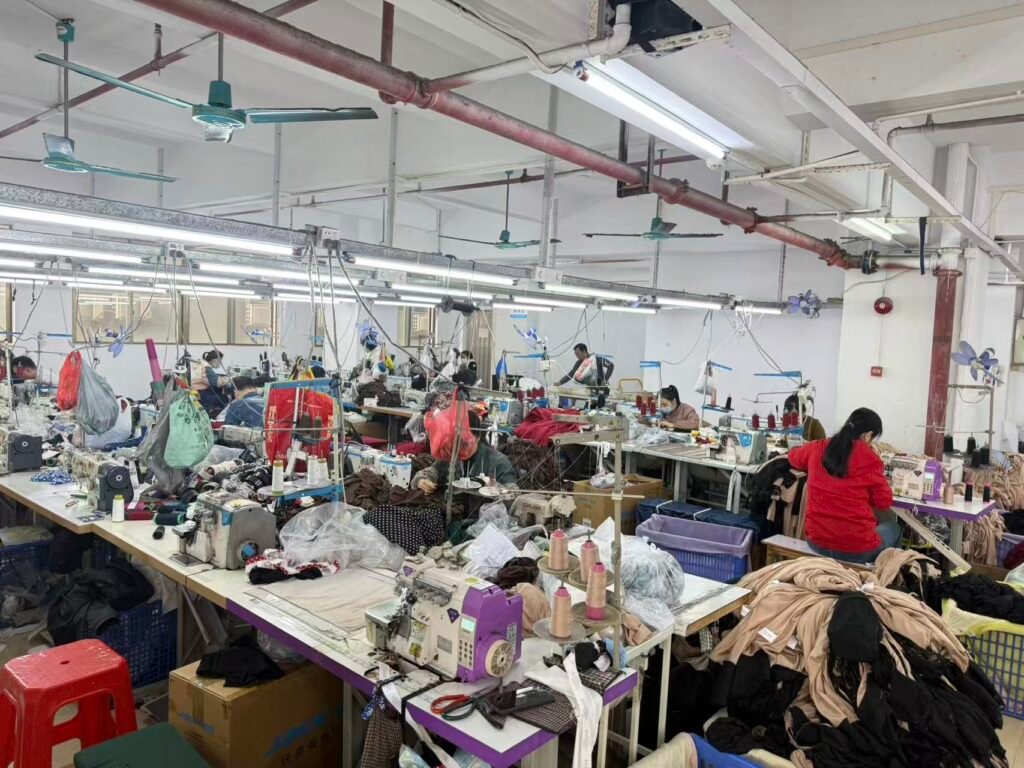
2. Choose Fabrics Based on Performance and Cost
Fabric is often one of the largest components of clothing manufacturing costs.
Choosing a more expensive fabric does not automatically mean better quality.
The right fabric should match the product’s:
- Target retail price
- Brand positioning
- Intended use
- Required durability
- Appearance
- Weight
- Comfort
- Washing requirements
For example, a fashion brand producing affordable everyday T-shirts may not need an expensive premium fabric if a carefully selected alternative can deliver a similar appearance and performance.
A professional clothing manufacturer can help compare different fabric options before bulk production.
This allows brands to balance fabric quality, performance, and cost rather than focusing only on the price per kilogram or meter.
3. Optimize Fabric Consumption
Fabric waste can significantly increase production costs.
Two garments may look almost identical but have very different fabric consumption depending on their pattern construction.
Important factors include:
- Pattern layout
- Garment size range
- Fabric width
- Pattern shape
- Cutting efficiency
- Production quantity
A manufacturer with experienced pattern makers can optimize marker layouts to reduce unnecessary fabric waste.
Even a small improvement in fabric utilization can become meaningful when production volumes increase.
For example, reducing fabric waste by only a few percentage points across thousands of garments can produce noticeable savings.
4. Avoid Unnecessary Trims and Accessories
Buttons, zippers, labels, drawcords, metal hardware, packaging, hangtags, and other accessories can add significant costs to a garment.
This becomes especially important for products with many decorative details.
Before production, review every component and ask:
Does this component add meaningful value to the product?
If a particular accessory has little impact on the customer experience, it may be possible to remove it or replace it with a more cost-effective alternative.
However, cost reduction should never compromise important functional components.
For example, replacing a zipper with a significantly lower-quality alternative may reduce the factory price but increase customer complaints and returns.
5. Select the Right Production Quantity
Order quantity has a major influence on manufacturing costs.
Very small orders can have higher unit costs because fixed expenses such as:
- Pattern development
- Sampling
- Fabric preparation
- Cutting setup
- Production preparation
- Quality control
are distributed across fewer garments.
On the other hand, ordering too much inventory can create another problem.
If products do not sell, the brand may be left with:
- Excess inventory
- Storage costs
- Discounting
- Cash-flow pressure
The goal is not simply to order the largest possible quantity.
The goal is to find a production quantity that balances unit cost, demand, inventory risk, and cash flow.
6. Reduce Sampling and Revision Costs
Sampling is an important part of apparel development, but repeated revisions can become expensive.
Brands can reduce sampling costs by providing manufacturers with complete and accurate information before sample development.
A strong tech pack should ideally include:
- Technical drawings
- Measurements
- Fabric specifications
- Color references
- Stitching requirements
- Label information
- Print or embroidery details
- Packaging requirements
- Size specifications
The more clearly the product is communicated, the lower the probability of unnecessary sample revisions.
This is especially important when working with overseas manufacturers.
7. Standardize Components Across Your Product Range
Another effective strategy is to use common components across multiple styles.
For example, a fashion brand may use the same:
- Woven labels
- Care labels
- Packaging
- Buttons
- Zippers
- Drawcords
- Rib fabrics
- Hangtags
across several products.
Standardization can simplify purchasing and reduce the number of small production components that need to be sourced separately.
It can also make quality control easier because the factory becomes familiar with the same materials.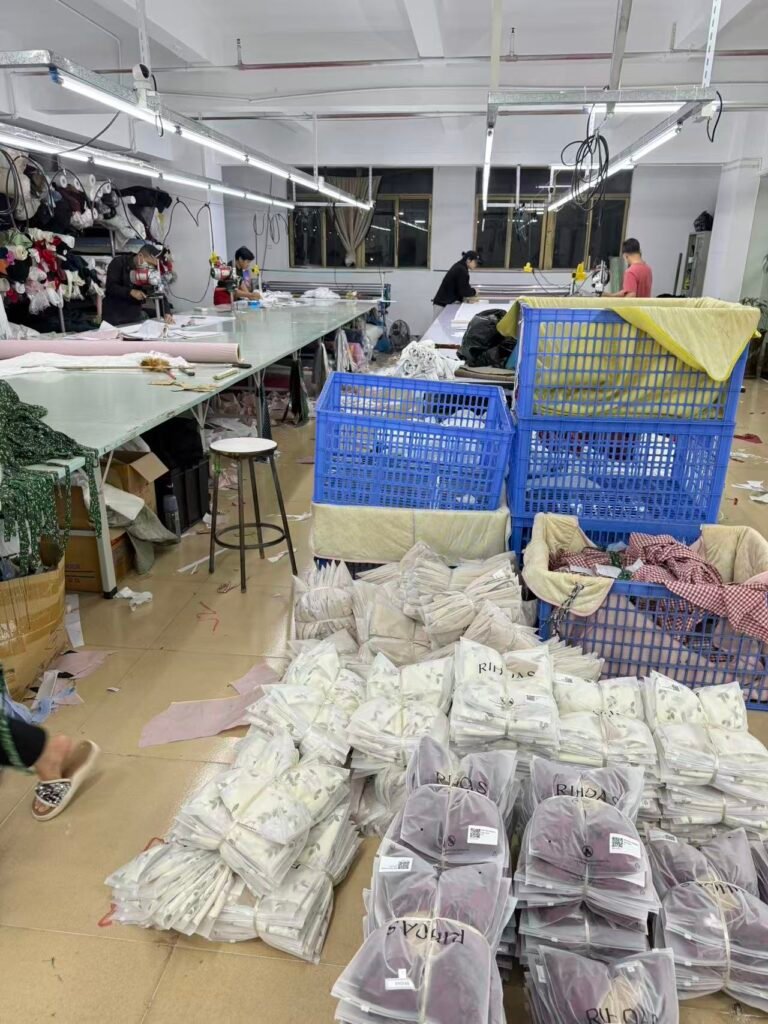
8. Work With a Manufacturer That Supports OEM Development
The manufacturing partner you choose can directly influence your total production cost.
A factory that only follows instructions may not help identify unnecessary expenses.
An experienced OEM clothing manufacturer can potentially help brands optimize:
- Fabric selection
- Pattern construction
- Production methods
- Material sourcing
- MOQ
- Sampling
- Packaging
- Production scheduling
This is why brands should evaluate a supplier based on total manufacturing value, rather than simply comparing the lowest quotation.
A manufacturer offering a slightly higher initial price may ultimately be more cost-effective if it provides better quality control, fewer defects, faster production, and more efficient development.
9. Compare Total Cost Instead of Factory Price
When comparing clothing manufacturers, many buyers make the mistake of looking only at the quoted unit price.
For example:
Factory A: $6.20 per garment
Factory B: $5.80 per garment
At first glance, Factory B appears cheaper.
But what happens if Factory B has:
- Higher defect rates
- Longer production times
- More expensive shipping
- Poor communication
- Inconsistent sizing
- Higher packaging costs
The actual total cost may be higher.
A better comparison should include:
Total Manufacturing Cost = Product Cost + Sampling + Packaging + Quality Costs + Shipping + Potential Rework
This provides a much more accurate picture of supplier value.
10. Reduce Production Defects
Defective products are one of the most overlooked manufacturing expenses.
A defect can create costs through:
- Rework
- Replacement
- Additional inspection
- Delayed shipment
- Customer complaints
- Returns
- Lost sales
The best way to control quality costs is to prevent problems rather than fix them after production.
Brands should establish clear quality standards before bulk manufacturing begins.
Important quality checkpoints include:
Pre-production
Confirm fabrics, trims, colors, measurements, and approved samples.
During production
Monitor cutting, sewing, printing, embroidery, and construction.
Before shipment
Inspect finished garments for measurements, appearance, stitching, stains, defects, and packaging.
A structured quality-control process can protect both product quality and profit margins.
11. Plan Production Earlier
Rush orders are often more expensive.
When brands wait until the last minute, they may face:
- Expedited production
- Express material sourcing
- Air freight
- Production scheduling problems
- Limited fabric choices
Better production planning gives manufacturers more flexibility.
Instead of asking a factory to manufacture immediately, provide a realistic production schedule and forecast future demand whenever possible.
This allows the manufacturer to plan materials and production capacity more efficiently.
12. Build a Long-Term Manufacturer Relationship
A reliable long-term manufacturing relationship can create cost advantages over time.
Once a manufacturer understands your:
- Product standards
- Preferred fabrics
- Size specifications
- Quality requirements
- Packaging
- Production expectations
future orders can become more efficient.
You may also spend less time repeating product development requirements for every order.
Long-term cooperation can therefore reduce both direct and indirect manufacturing costs.
13. Don’t Sacrifice Quality for the Lowest Price
The cheapest quotation is not always the cheapest solution.
A garment that costs $5 to manufacture but generates a high return rate may be more expensive than a garment that costs $5.50 and delivers consistent quality.
For fashion brands, the real objective should be:
Lower total cost + stable quality + reliable delivery.
This is much more sustainable than simply negotiating the factory price down as far as possible.
14. A Practical Clothing Manufacturing Cost Checklist
Before placing a production order, fashion brands should review the following:
- Product design complexity
- Fabric selection
- Fabric consumption
- Pattern efficiency
- Trims and accessories
- Order quantity
- Sampling requirements
- Packaging
- Production lead time
- Quality-control standards
- Shipping method
- Manufacturer experience
Optimizing these areas can help brands reduce unnecessary costs while maintaining product quality.
15. How Mugekoo Helps Fashion Brands Control Manufacturing Costs
Finding the right manufacturing partner is an important part of controlling apparel production costs.
Mugekoo works with fashion brands looking for OEM and custom clothing manufacturing solutions, helping buyers develop products according to their design, material, quantity, and quality requirements.
From product development and sampling to bulk production and quality control, the goal is to create a manufacturing process that balances cost, quality, and production efficiency.
For brands planning a new clothing collection, choosing the right manufacturing strategy at the beginning can make a significant difference to the final product cost.
Final Thoughts
Reducing clothing manufacturing costs does not mean choosing the cheapest supplier or using the lowest-cost materials.
The most effective approach is to optimize the entire production process.
From product design and fabric selection to pattern efficiency, order quantity, quality control, and supplier management, every stage can influence the final cost.
For fashion brands, the best manufacturing partner is not necessarily the factory with the lowest quotation.
It is the manufacturer that can consistently deliver the right combination of quality, pricing, production efficiency, communication, and reliability.
If you are looking for an experienced OEM clothing manufacturer for your next collection, working with a professional manufacturing partner from the early development stage can help you control costs while building better products.
Explore More Resources
Learn more about working with clothing manufacturers:
- How to Choose a Clothing Manufacturer in China
- What Is an OEM Clothing Manufacturer?
- How Does the Clothing Manufacturing Process Work?
- How to Prepare a Tech Pack for Clothing Production
- How to Calculate Clothing Manufacturing Costs