Garment snap fastener sourcing requires approval of a complete fastening system on the intended garment materials. A cap selected for color or appearance does not establish how the assembled snap will attach or operate. For adult women’s woven clothing buyers, the purchasing brief should identify the application, matched parts, installation trial and required evidence. This guide focuses on snap procurement and sample approval, rather than sewn buttons or hook-and-eye fastenings.
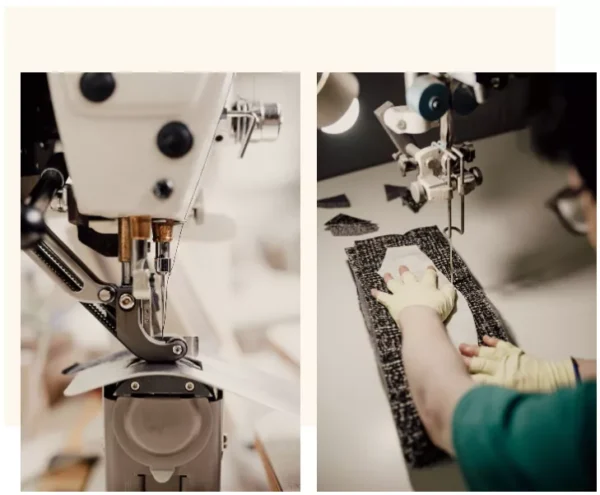
Identify the fastening application
Mark the snap locations on front and inside drawings. State whether each fastening is functional or decorative, and identify the fabric layers and support at the installation point. Include the intended opening arrangement and any visible spacing requirements.
Ask the component supplier to propose a system for that application and provide references for every required part. The garment bill of materials should identify the complete set. Do not assume parts from different product ranges can be mixed because their visible dimensions appear similar.
Separate appearance approval from system approval
Confirm cap shape, visible size, color and finish, then review the corresponding functional components. Ask about the attachment arrangement and the installation equipment or tooling required. The buyer should know whether the quotation includes only supplied parts or also installation work.
Keep physical samples and product codes together in the trim sourcing record. Where the buyer requests a specified supplier or product family, ask the factory to identify any proposed alternative before ordering. A matching surface color is not enough to establish equivalence.
Approve installation on the actual material layers
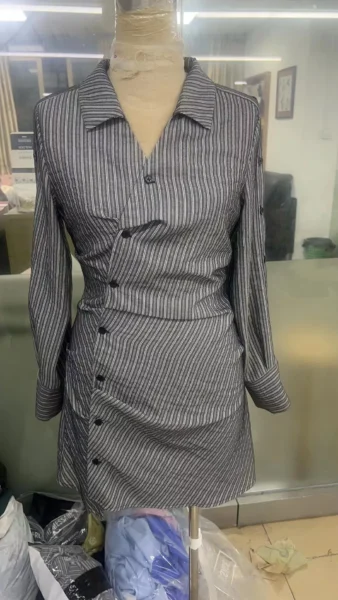
Request a trial using the proposed shell, facing, support and fastener system. Ask the supplier or qualified processor to confirm the appropriate setup for the selected components. Inspect the attachment from both sides for the accepted appearance and any visible fabric damage or distortion.
Keep the layer arrangement and installation record with the sample. A successful trial on a heavier substitute material does not approve a lighter production fabric. If the fabric or support changes, review whether a new trial and performance evidence are needed.
Review operation in the complete garment
Check that the wearer can open and close the garment as intended. Review alignment, overlap, gaping and the way the surrounding fabric responds during use. Evaluate the actual garment in the intended size rather than only fastening two loose component samples together.
Distinguish excessive garment strain from a component or installation issue. Ask the technical team to identify the cause before selecting a stronger snap. Define any relevant laboratory tests and acceptance criteria with the buyer and a suitable laboratory; this guide does not prescribe a universal force for all snaps.
Record care and finish requirements
Complete the agreed care and functional assessment on representative installed samples. Review attachment, operation, visible finish and nearby fabric afterward. The garment wash-care plan helps keep the treatment and specimen identity traceable.
Record buyer-specific material or chemical verification requirements where applicable and obtain evidence addressing those requirements. Do not treat a polished appearance or a generic supplier statement as approval of every performance property. Keep the report scope connected to the actual components and application.
Order complete sets and control bulk changes
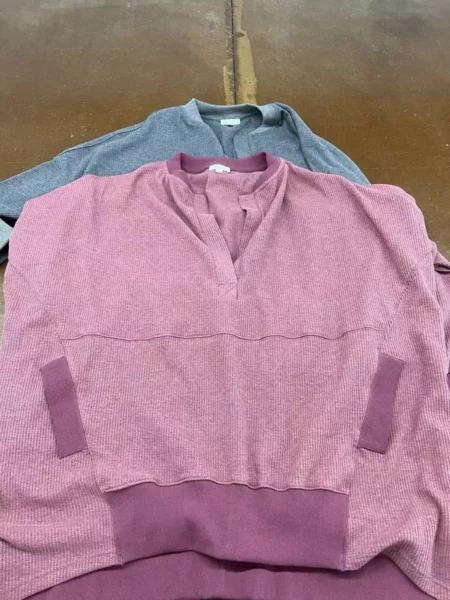
Confirm purchasing units, quantities per fastening, minimums by finish and size, sample charges and lead time. Reconcile all required parts against garment quantities and the number of fastening positions. Agree how spares and rejected installations are handled.
At receipt and issue, keep component ranges separated and verify product references. Review an initial installed production piece before scaling. Record who may authorize changes to components, support or installation arrangements and what new approval is required.
For a snap-fastened women’s clothing enquiry to Mugekoo, send drawings, material layers, component preferences and quantities. Ask the factory to confirm sourcing and installation capability. Keep revisions within the production change control process so purchased parts and the bulk setup match the accepted sample.