Garment fabric substitution occurs when a supplier proposes a different material from the one specified or approved for an order. It may arise during budget review, a stock shortage or preparation for a reorder. Overseas brands, wholesalers and marketplace sellers buying women’s clothing in China need a documented decision about the replacement fabric before it becomes part of production.
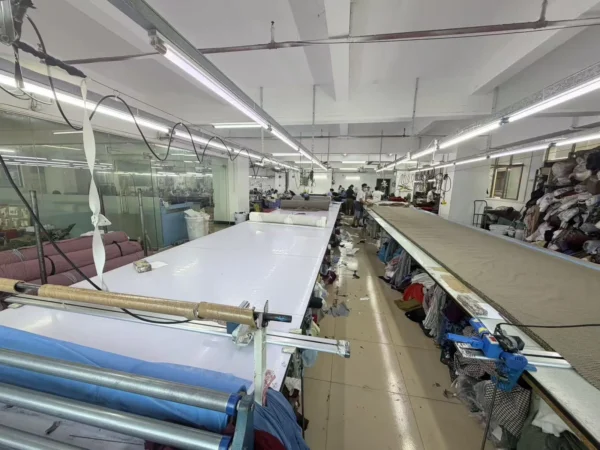
This guide focuses on comparing an original material with a named alternative. The OEM clothing change-control guide covers the wider process for revisions; a fabric replacement needs its own material evidence, sample decision and quotation review. When discussing custom clothing manufacturing services, identify whether the factory is pricing the original brief or an alternative proposal.
Keep the original fabric reference visible
Retrieve the approved swatch, material code, specification and garment sample that establish the original requirement. Record which order and style revision they belong to. If the original reference was only provisional, make that status clear before asking anyone to approve a replacement.
Request a separate code for the proposed material and a written reason for the change. Identify whether the original fabric is unavailable, insufficient for the order, outside the target budget or subject to a different purchasing condition. This helps the buyer evaluate a specific decision rather than accept an undefined “similar fabric.”
Compare the materials side by side
Ask for available information on composition, construction, weight, usable width, color, finish and any required stretch. Review physical swatches under agreed conditions. Describe differences in appearance, touch and drape using the original approved reference as the comparison point.
Also identify what remains unverified. A supplier’s data sheet may help establish a material identity, but it does not answer every question about the finished garment. List the care, opacity, color and performance requirements relevant to the actual product, then agree which checks are needed before approval.
| Comparison item | Original reference | Alternative proposal |
|---|---|---|
| Material identity | Approved code and specification | Named code and available specification |
| Appearance and drape | Retained swatch and garment reference | Physical comparison and stated differences |
| Garment construction | Approved pattern and assembly | Required trials or proposed adjustments |
| Purchasing conditions | Original quantity and material basis | Available quantity, MOQ and surplus commitment |
| Commercial scope | Accepted quote or preliminary estimate | Revised unit price and separate charges |
Decide which garment approvals must be repeated
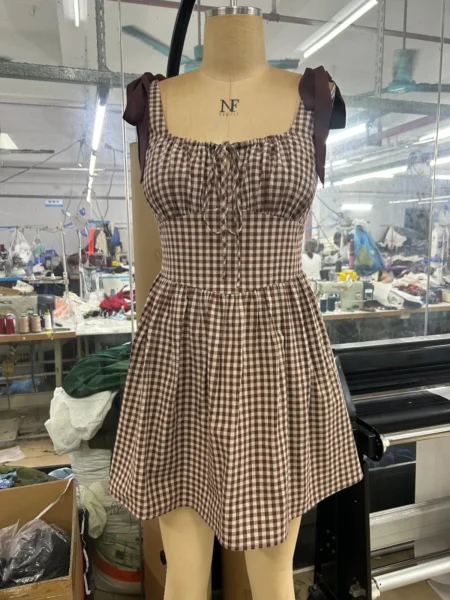
Ask the factory to review the replacement against the actual style: fit, lining interaction, seam appearance, closure installation and pressing. Identify the sample or trial needed to answer each open question. Do not treat a swatch approval as approval of an assembled dress, blouse or trouser.
If the proposed fabric requires pattern or construction changes, document them separately. Review representative sizes where the change could affect coverage or movement. For marketplace sellers, check whether the approved alternative also requires changes to product photographs, material statements or care information.
Reconfirm MOQ and the usable material quantity
Ask how much of the alternative is available and whether that quantity is reserved. Separate garment MOQ from the material purchasing minimum. Check whether the new price assumes one stock color, a different color assortment or purchase of a larger fabric quantity.
Review any extra material commitment and its ownership. If the alternative is being proposed to support a smaller order, compare the actual color and size quantities it can cover. Keep a larger or simplified assortment as a separate buying option rather than silently incorporating it into the approved order.
Show the complete cost of accepting the change
Request a revised bulk unit price tied to the alternative’s material code, final construction and quantity breakdown. Ask whether a different usable width or revised garment assembly changes the quoted material consumption or work scope. Confirm included lining, trims, finishing and packing.
List additional sample fees, pattern revisions, material trials and courier costs separately. Record how any original material already purchased will be handled. An apparent saving on the fabric line should be evaluated alongside the full order commitment and any new development work.
The private label sample cost guide explains development-fee components. For this decision, ask which new work is necessary because of the fabric change and whether any sample credit applies under written order conditions.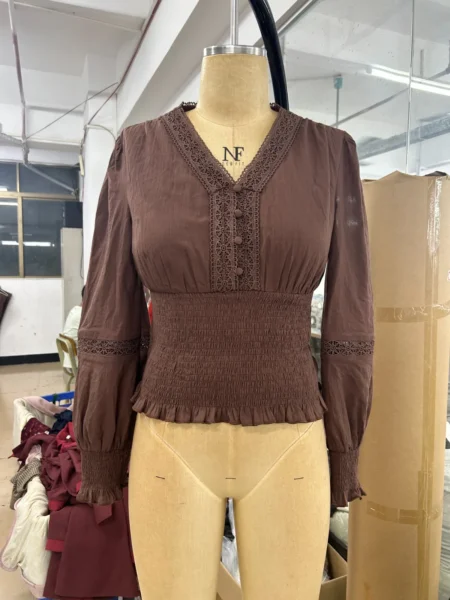
Approve a named replacement for a defined scope
Identify the style, color, quantity and production stage covered by the decision. Record the accepted material reference, sample evidence, revised price and delivery assumptions. State any outstanding condition that must be resolved before cutting or another production step is released.
Update the garment bill of materials and relevant production files after approval. Keep the original reference and decision history for comparison, and prevent superseded instructions from being used on the line. Approval for one order should not be treated as permission to change every future reorder automatically.
Request an assessed fabric alternative
Send Mugekoo the original material reference, tech pack, proposed alternative if available, quantity breakdown and target budget. Request a fabric-substitution review and revised quotation asking for feasibility, MOQ, necessary sample work, additional fees, bulk unit price and timing. Actual material availability and suitability require review of the specific garment before the replacement is accepted.