In a competitive retail market, wholesale clothing sourcing helps boutiques and fashion retailers build a balanced product assortment while managing cost, inventory, and supplier risk.
Understanding the difference between wholesale and retail pricing helps retailers evaluate margins, pricing strategy, and inventory risk. Bulk purchasing can simplify replenishment planning when order quantities are aligned with expected sell-through and inventory capacity.
Understanding Wholesale Clothing
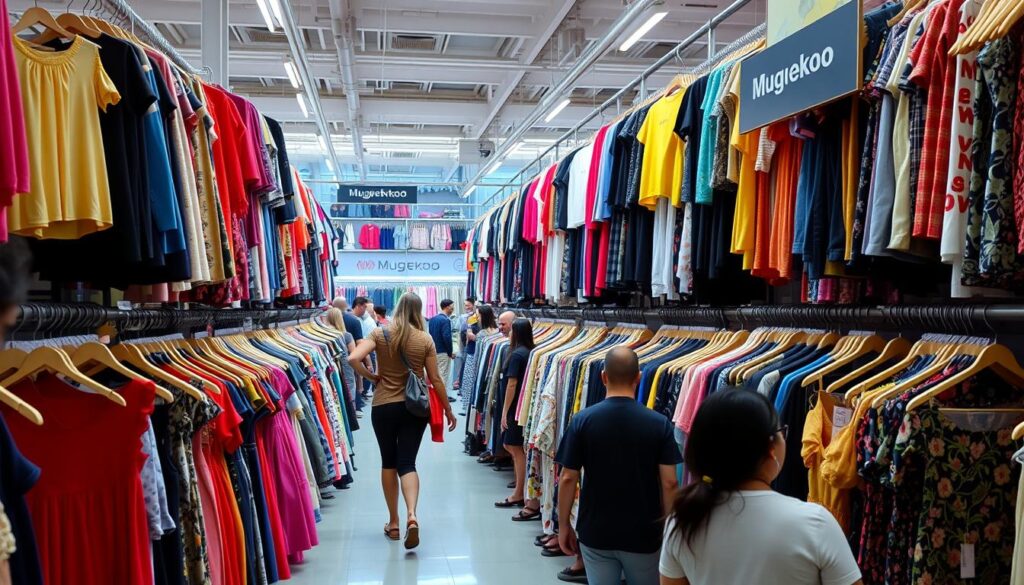
Wholesale clothing sourcing involves purchasing apparel in commercial quantities for resale. Retailers typically evaluate unit cost, MOQ, quality, lead time, shipping terms, and expected sell-through before placing an order.
Knowing the different types of wholesale clothes is important. This includes basic clothes, seasonal items, and special ones. It’s also key to know the laws in our area. Following these laws helps us run our business well and makes customers happy.
Choosing a clear wholesale category or customer segment helps retailers plan assortments, forecast demand, and manage inventory more effectively.
To show these points, here’s a table comparing branded and unbranded wholesale clothes, and overstock options:
| Type of Wholesale Clothing | Cost | Target Audience | Advantages |
|---|---|---|---|
| Branded Wholesale Clothing | Higher retail prices | Customers looking for specific labels | Quality assurance, brand recognition |
| Unbranded Wholesale Clothing | Lower costs | Price-sensitive consumers | Flexibility in pricing, lower entry cost |
| Overstock and Liquidation | Significantly reduced prices | Budget-conscious buyers | Access to surplus inventory, seasonal clearance |
Bulk purchasing can support stock availability, but order quantities should be planned against expected demand, storage capacity, cash flow, and import requirements. Cross-border buyers should also review applicable customs, tax, and legal obligations.
Benefits of Buying Wholesale Clothing
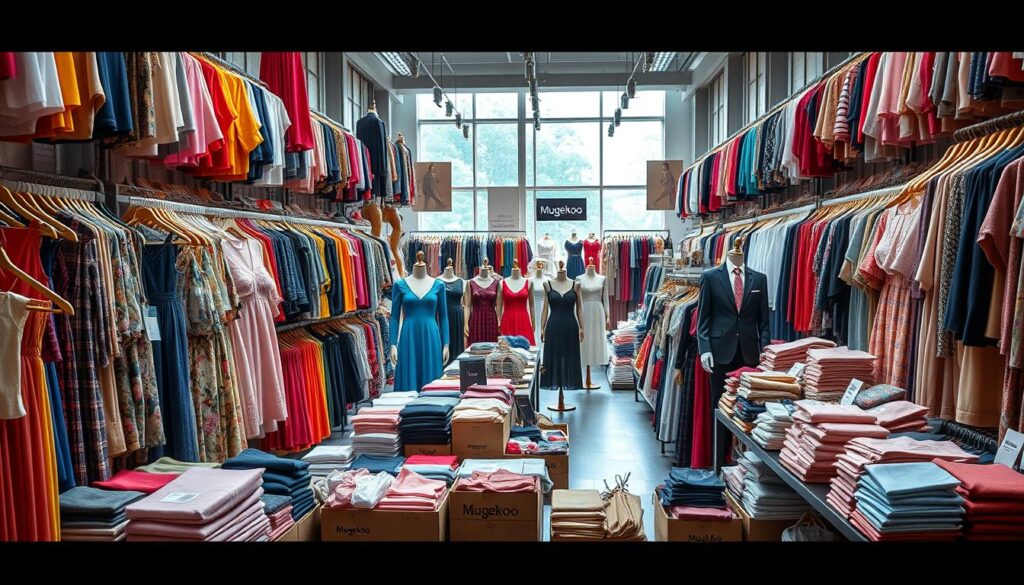
Buying wholesale clothing offers a big advantage: saving money. Buying in bulk means lower costs per item. This makes it cheaper than buying from regular stores.
Lower per-unit costs can improve gross margin when demand, sell-through, and operating costs are managed carefully.
Wholesale suppliers may provide access to differentiated products, private-label options, and category-specific assortments that help retailers build a more distinctive inventory mix.
This variety attracts families looking for something different. It makes our store more appealing.
Wholesale suppliers can also provide access to new seasonal assortments. Larger orders may improve unit pricing, but retailers should balance discounts against sell-through risk and storage capacity.
Consistent product quality, reliable replenishment, and appropriate pricing can support repeat purchasing and stronger customer retention over time.
Here’s a table showing the main benefits of buying wholesale clothing:
| Benefit | Description |
|---|---|
| Cost Savings | Reduced per-unit costs when buying in bulk. |
| Unique Selections | Diverse and distinctive products not available in retail. |
| Quality Assurance | Higher-quality materials leading to durable clothing. |
| Shipping Benefits | Access to varied shipping options, including discounts. |
| Business Success | Increased profit margins and customer loyalty. |
Factors to Consider When Sourcing Wholesale Clothing
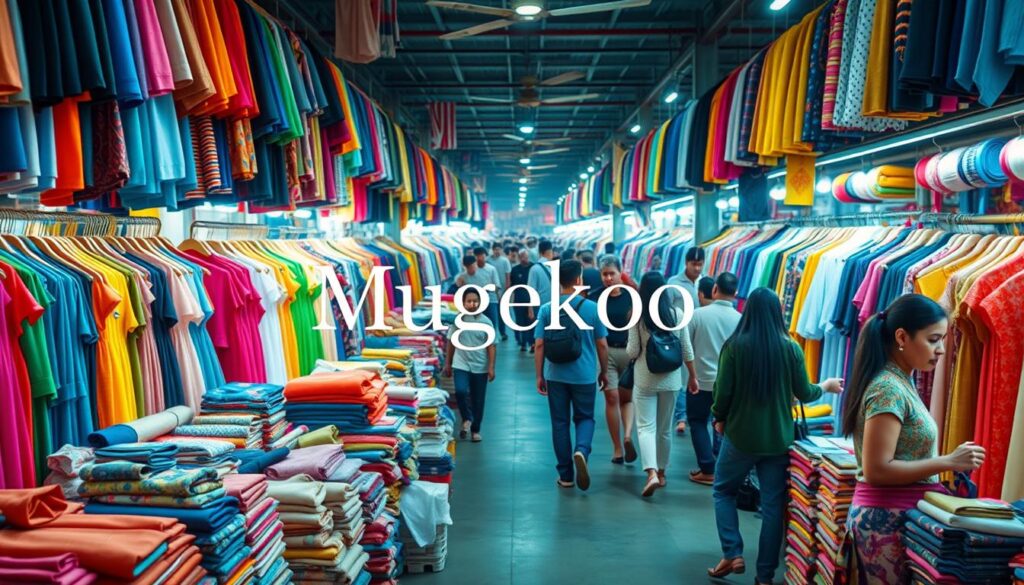
When we source wholesale clothing, several key factors come into play. It’s important to find reliable suppliers who meet high quality standards. We must check the quality of the products to ensure they meet our expectations.
Understanding the fabrics used in wholesale clothing is crucial. This knowledge helps us make better choices when buying.
When choosing suppliers, we should look at their minimum order quantities (MOQs). For retail boutiques, finding one-stop suppliers can be beneficial. However, it’s wise to have multiple suppliers to offer a variety of products.
Building strong relationships with suppliers is key to success. We need to carefully review contracts to understand the terms. This ensures transparency and avoids future problems.
Knowing the ordering process is also important. It helps us manage orders, lead times, and payments smoothly.
Shipping logistics are another critical area. We should consider the supplier’s location to estimate shipping costs and potential delays. It’s essential to find suppliers who offer competitive pricing to maintain profit margins.
A solid marketing strategy is vital for selling wholesale clothing effectively. Understanding return policies from suppliers helps manage returns in retail.
| Factor | Details |
|---|---|
| Reliable Suppliers | Critical to ensure compliance with wholesale quality standards. |
| Product Quality | Understanding fabrics helps in making informed decisions. |
| Minimum Order Quantities (MOQs) | Choose suppliers with MOQs that align with business needs. |
| Shipping Logistics | Consider location to assess shipping costs and delivery times. |
| Contract Review | Ensure clear understanding of terms and conditions. |
| Return Policies | Essential for managing potential returns in retail. |
Where Do I Buy Wholesale Clothing
For boutique owners, finding the right place to buy wholesale clothing is key. It’s important to get high-quality, trendy, and affordable clothes. This helps our business grow and stay competitive.
Online sites like Mugekoo are great for wholesale shopping. They have a wide range of clothes, making it easy to find the latest styles.
Going to apparel and gift markets is a good idea. It lets us meet vendors face-to-face. We can check the quality of the products and see the latest trends. Building relationships with suppliers can lead to special deals and insights into popular items.
It’s crucial to know about different sizes like junior, missy, and curvy. This helps us offer clothes for a wide range of customers. It also builds trust in our brand by showing we care about quality.
Buying Wholesale Clothing Online
Buying wholesale clothing online is becoming more popular. It lets retailers find many clothing options easily. Online platforms like FashionGo, LA Showroom, and Fashion Domino offer a wide range of clothes. They have everything from dresses to accessories, making it easy to stock up.
Popular Online Wholesale Platforms
- FashionGo: An expansive marketplace known for a variety of clothing options.
- LA Showroom: Offers exclusive discounts, including a 20% discount on select orders.
- Fashion Domino: Features attractive deals and a user-friendly interface for retail purchases.
- Orange Shine: Provides access to a broad range of men’s and women’s apparel.
- Mugekoo: A boutique clothing wholesale brand focusing on women’s clothing.
How to Evaluate Online Suppliers
When buying wholesale online, it’s important to check suppliers. Look at their reputation, shipping policies, and product quality. Here are some key things to consider:
- Reputation: Read reviews on forums and blogs to learn about the supplier.
- Shipping Policies: Know the shipping costs and methods.
- Product Samples: Ask for samples to check quality before big orders.
- Return and Exchange Policies: Understand the vendor’s return and exchange rules.
- Licensing Requirements: Make sure you have the right license to order.
Using these platforms is a great way to find quality items at good prices. For example, Tasha Apparel offers up to 80% off. Always be careful when buying to find reliable suppliers.
Attending Apparel & Gift Markets
Going to apparel and gift markets is a great chance for retailers in the fashion world. These events let us meet vendors, check fabric quality, and see new trends. Places like Las Vegas, Dallas, Atlanta, Chicago, and New York are key for networking and finding new products.
Boutique owners can start with a small budget, like $500, to grow their stock. It’s important to plan our budget well. This helps us decide on prices, how much to buy, and how much to spend. Listening to what customers say helps us pick the right products.
Planning and being organized are key at these markets. Knowing when to buy and when to restock helps us avoid too much stock. It’s also important to understand costs, shipping, and what vendors need to sell to us.
Events like COTERIE and MAGIC trade shows introduce us to new ideas and styles. We can ask about shipping and product quality. Asking about zip code protection can also help us avoid too much competition.
These events also offer chances to network, see fashion shows, and learn from seminars. They help us understand trends and build relationships that can lead to better deals. Knowing what our brand is before we go makes it easier to find the right products.
| Market Location | Key Features | Specialties |
|---|---|---|
| Las Vegas | Large scale trade show offerings | Wide range of apparel and accessories |
| Dallas | Permanently located showrooms | Clothing, gifts, and home goods |
| Atlanta | World’s largest collection of showrooms | Wholesale gifts and home decor |
| New York | Hub for fashion connections | Men’s and women’s fashion |
| Chicago | Highly attended markets | Various apparel lines |
Local Wholesale Clothing Distributors
Working with local wholesale clothing distributors has many benefits for boutique owners and retailers. It helps us build strong relationships, which improves our service and communication. This close connection builds trust and lets us work together better, finding the right clothes for our customers.
Another great thing about local distributors is the cost savings and quick delivery. For instance, in places like Richmond or Los Angeles, we can manage our stock well. This is key for small businesses to keep up with fashion trends without spending too much. Looking for wholesale suppliers near you can lead to great local partners.
Exploring local wholesale options also helps us connect with our community. By supporting local distributors, we offer unique, quality clothes and stand out in the market. This focus on local helps us connect with our customers and show our community spirit, giving us an edge in the fast-paced fashion world.