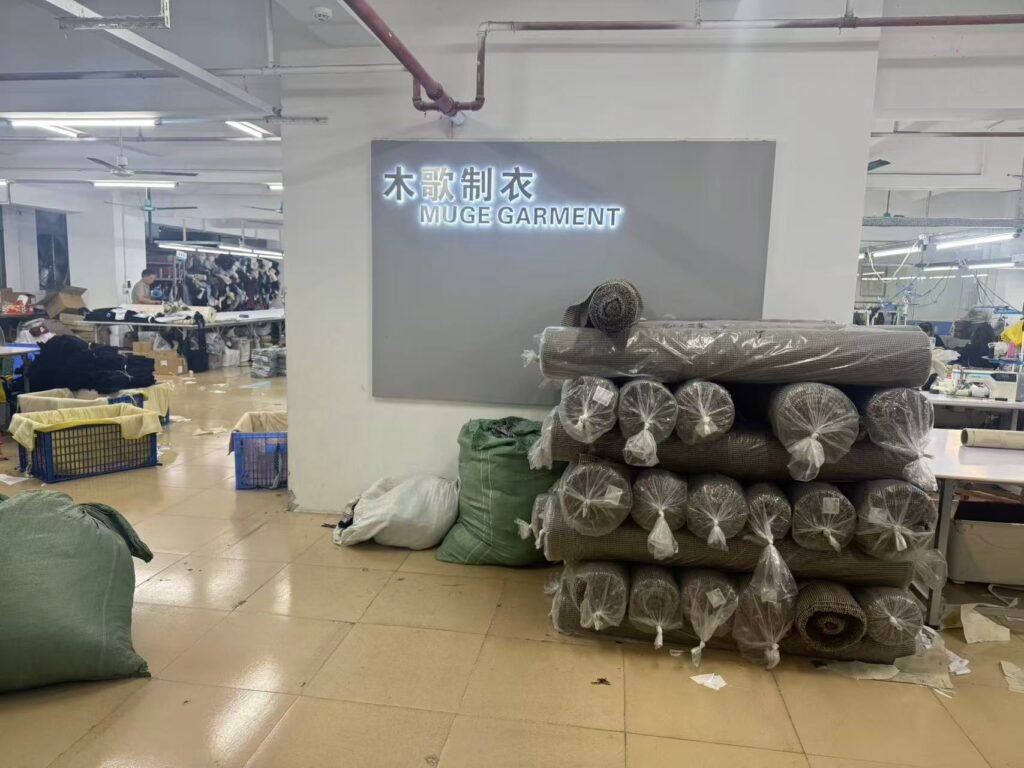
Partner with a reliable China clothing manufacturer for OEM, private label, and custom apparel production.
Finding the right clothing manufacturer in China is one of the most important decisions for fashion brands, startups, and online retailers.
A reliable apparel manufacturer can help you transform creative ideas into high-quality products, reduce production costs, maintain consistent quality, and build a stable supply chain for long-term growth.
However, choosing the wrong supplier may lead to problems such as poor quality, delayed delivery, communication issues, and unexpected costs.
In this complete guide, we will explain how to choose a professional clothing manufacturer in China, including how to evaluate factories, understand MOQ requirements, check quality control processes, and select the right production partner for your brand.
1. Understand Your Clothing Production Requirements Before Choosing a Manufacturer
Before searching for a clothing manufacturer, you should clearly define your production requirements.
A professional manufacturer will need detailed information about your project, including:
Product Category
Decide what type of clothing you want to produce:
- T-shirts
- Hoodies
- Sweatshirts
- Jackets
- Activewear
- Streetwear
- Fashion apparel
Different products require different production experience, equipment, and manufacturing techniques.
Fabric and Material Requirements
Fabric quality directly affects your final product.
Consider:
- Cotton
- Organic cotton
- Polyester
- Recycled fabrics
- Custom blends
A reliable China clothing manufacturer should be able to recommend suitable materials based on your target market and product positioning.
Production Quantity and MOQ
MOQ (Minimum Order Quantity) is an important factor when choosing a manufacturer.
Different factories have different MOQ requirements depending on:
- Fabric availability
- Production process
- Customization level
- Order volume
For startups and emerging brands, finding a manufacturer with flexible MOQ options can reduce initial investment risks.
2. Find Reliable Clothing Manufacturers in China
There are several ways to find potential suppliers:
Search on Google
Many professional manufacturers have their own websites.
Search terms include:
- clothing manufacturer in China
- custom clothing manufacturer
- private label clothing manufacturer
- apparel manufacturer China
A professional website can help you understand:
- Factory capabilities
- Product categories
- Manufacturing experience
- Previous projects
Industry Trade Shows
Trade exhibitions are another effective way to meet manufacturers.
Examples:
- Canton Fair
- Apparel exhibitions
- Textile trade shows
Meeting suppliers directly allows you to evaluate communication ability and production knowledge.
Manufacturer Referrals
Recommendations from existing brands can help you find reliable suppliers with proven experience.
3. Evaluate the Manufacturer’s Experience and Capabilities
Not every clothing supplier is a real manufacturer.
Before cooperation, evaluate:
Manufacturing Experience
Check:
- Years in business
- Product specialization
- Export experience
- Customer markets
An experienced manufacturer understands international standards and customer expectations.
Production Capability
A professional clothing factory should have:
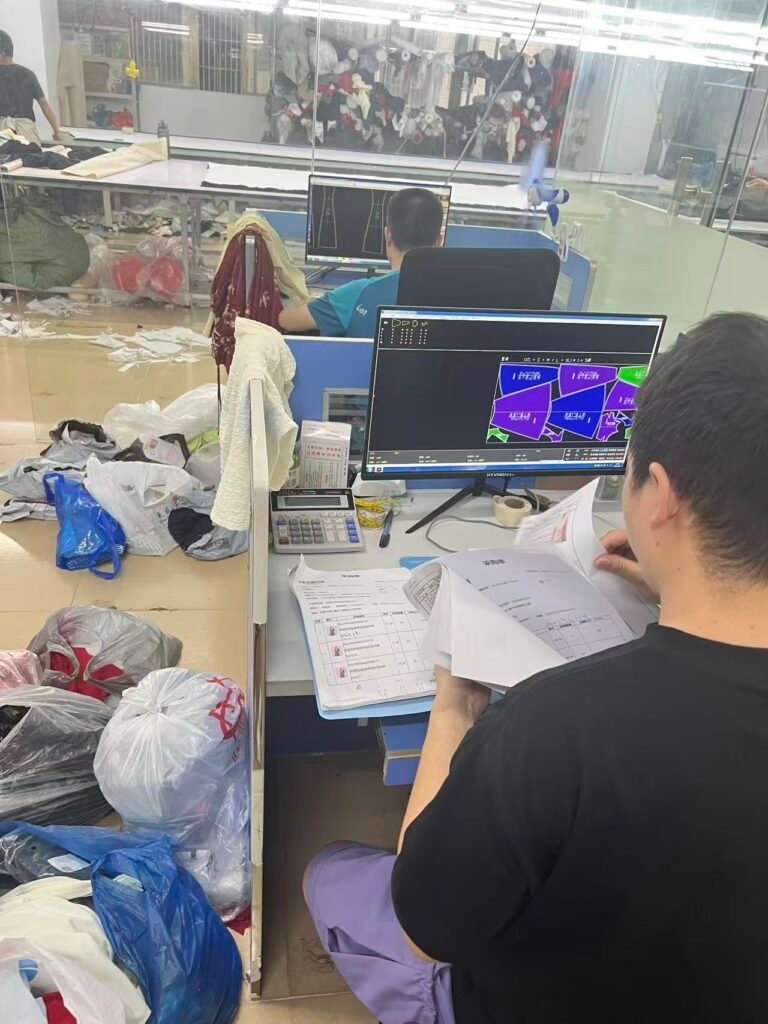
- Pattern making
- Sampling department
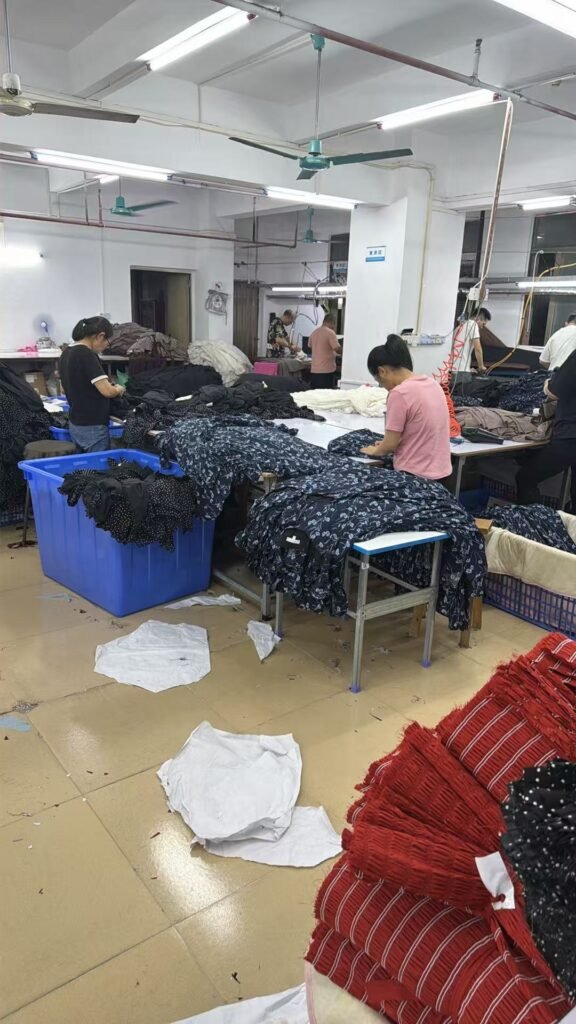
- Cutting department
- Sewing production
- Quality inspection
- Packaging process
Understanding the complete production process helps ensure stable delivery.
Sample Development Ability
Sampling is a critical step.
A good manufacturer should be able to:
- Understand your design
- Recommend improvements
- Create accurate samples
- Adjust details based on feedback

4. Compare OEM and Private Label Clothing Manufacturers
When selecting a manufacturing partner, brands usually choose between OEM and private label services.
OEM Clothing Manufacturing
OEM means the customer provides designs, specifications, and requirements.
The manufacturer produces according to the brand’s instructions.
Suitable for:
- Established brands
- Designers
- Companies with existing product concepts
Private Label Clothing Manufacturing
Private label manufacturers help brands develop products under their own brand identity.
Services may include:
- Product development
- Fabric sourcing
- Label customization
- Packaging design
Suitable for:
- New fashion brands
- Shopify sellers
- Online retailers
A professional private label clothing manufacturer can help brands move from concept to finished products.
5. Check Quality Control Before Placing Orders
Quality control is one of the most important factors when choosing a clothing manufacturer.
A reliable factory should have inspection procedures including:
Fabric Inspection
Checking:
- Fabric quality
- Color consistency
- Material defects
Production Inspection
Monitoring:
- Cutting accuracy
- Sewing quality
- Measurements
- Product details
Final Inspection
Before shipment, products should be checked for:
- Appearance
- Size accuracy
- Packaging
- Overall quality
Strong quality control reduces returns and protects your brand reputation.
6. Understand Pricing, Lead Time and Communication
Price is important, but the lowest price is not always the best choice.
A professional manufacturer should provide clear information about:
Production Cost
Including:
- Fabric cost
- Labor cost
- Customization fees
- Packaging
Production Timeline
Typical process:
- Design confirmation
- Sample development
- Sample approval
- Bulk production
- Quality inspection
- Shipping
Communication
Good communication helps avoid mistakes.
Choose a manufacturer that can:
- Respond quickly
- Understand your requirements
- Provide production updates
7. Why Choose Mugekoo as Your Clothing Manufacturing Partner
Mugekoo is a professional clothing manufacturer in China providing OEM and private label apparel manufacturing services for global fashion brands.
We help businesses create custom clothing collections with:
Custom Apparel Production
From concept development to finished products, we support brands with flexible manufacturing solutions.
OEM & Private Label Services
We provide customized production including:
- Custom designs
- Labels
- Packaging
- Fabric selection
Quality-Focused Manufacturing
Our production process includes quality inspection to ensure products meet customer requirements.
Support for Growing Brands
Whether you are launching a new fashion brand or expanding an existing collection, Mugekoo provides reliable manufacturing support.
8. Questions to Ask Before Choosing a Clothing Manufacturer
What is the MOQ for clothing manufacturers in China?
MOQ depends on product type, fabric, and customization requirements. Many manufacturers offer different solutions for different brand sizes.
How long does clothing production take?
Production time depends on sampling, order quantity, materials, and product complexity.
Can a clothing manufacturer help develop new designs?
Yes. Many professional manufacturers provide product development and sampling services.
How can I verify a clothing factory?
Check:
- Website information
- Production capability
- Customer reviews
- Samples
- Communication quality
Conclusion
Choosing the right clothing manufacturer in China is essential for building a successful fashion brand.
The best manufacturing partner should provide:
- Reliable quality
- Professional communication
- Flexible production solutions
- Transparent pricing
- Long-term cooperation
By carefully evaluating manufacturing experience, production capability, quality control, and service support, brands can find the right supplier and create successful clothing collections.
Start Your Clothing Production Journey With Mugekoo
Looking for a reliable China clothing manufacturer for your next collection?
Contact Mugekoo today and discuss your custom apparel project.