Introduction to Global Clothing Exports
The global clothing export market plays a vital role in international trade, significantly influencing the economies of both developed and developing nations. This sector encompasses the manufacturing and distribution of garments across various regions, establishing clothing making as a key component of the global economy. The size and impact of this market are considerable, with billions of dollars in transactions annually.
Regions such as Asia, Europe, and North America are the most prominent players in clothing exports, with countries like China, Bangladesh, and Vietnam leading the charge. These nations have leveraged their advantages in labor costs and manufacturing capabilities to become major suppliers of women’s clothes and other apparel. In contrast, developed countries often focus on design, marketing, and high-value-added processes, leaving the bulk of production to emerging economies.
The capacity of a country to engage in clothing exports is influenced by several factors, including the availability of raw materials, infrastructure, labor force competency, and government policies that either support or inhibit trade. Additionally, advancements in technology and shifts in consumer behavior towards fast fashion have propelled the clothing factory operations in developing regions, enabling them to meet global demand effectively.
In this competitive landscape, developing countries often benefit from trade agreements and access to larger markets, which allows them to expand their clothing export capacities. For instance, countries that participate in trade partnerships with developed nations can gain favorable market access, stimulating growth in their clothing manufacturing sectors.
This overview underscores the significance of global clothing exports, highlighting the balance between developed and developing countries in this vital industry. By understanding these dynamics, stakeholders can better navigate the complexities of the clothing market and its implications for international trade.
China’s Position in the Global Clothing Market
China has established itself as the preeminent player in the global clothing market, significantly leading in clothing exports worldwide. As of the latest available data, China accounts for approximately 31% of total global clothing exports, a figure that starkly illustrates its dominant position and influence within this sector. Over the years, this share has seen consistent growth, further solidifying China’s role as a vital hub for clothing manufacturing and exportation.
A multitude of factors contribute to China’s extraordinary success in the clothing export arena. Firstly, the country’s labor costs, while rising in recent years, remain competitive compared to many other nations. This aspect offers clothing factories in China the leverage to produce women’s clothes at a lower cost for international buyers, which is essential in a market where pricing can determine competitive advantage.
Moreover, China boasts a robust manufacturing infrastructure that supports various aspects of clothing making. This encompasses a well-developed supply chain that ensures timely procurement of raw materials, advanced machinery, and the capacity to handle large volumes of production efficiently. The presence of numerous textile mills and garment production facilities enables quick turnaround times for manufacturers, which is crucial for meeting consumer demand globally.
Additionally, supportive government policies have played a significant role in fostering an environment conducive to export-driven industries. The Chinese government has implemented initiatives, such as tax incentives and favorable trade agreements, to bolster the clothing manufacturing sector. These policies are designed to enhance the competitiveness of Chinese products on the international stage, facilitating an attractive marketplace for foreign buyers seeking women’s clothes and other garments.
Impact of China’s Clothing Exports on Global Trade
China has established itself as the leading exporter in the global clothing market, significantly impacting trade dynamics across various regions. This dominance can be attributed to various factors, including competitive pricing, large-scale production capacities, and extensive supply chain networks. Countries competing in the textile and apparel sectors often find it challenging to rival the efficiencies of Chinese clothing factories, resulting in an uneven competitive landscape. As a result, many nations have had to either innovate their production methods or focus on niche markets to sustain their clothing making industries.
The direct consequence of China’s dominance can also be seen in the trade relationships it maintains with other countries. Nations heavily reliant on clothing imports from China benefit from lower prices, which in turn affects their domestic production capabilities. For instance, countries in Southeast Asia and Africa that aim to develop their textile industries face constant pressure to keep costs low in order to remain competitive. Additionally, this has led to trade tensions and discussions around tariffs, as countries attempt to protect their local manufacturers from the influx of inexpensive Chinese products.
Moreover, China’s clothing export strategies have implications for sustainability and labor practices within the apparel industry. As demand for women’s clothes and other apparel categories increases, concerns about ethical labor standards and environmental impacts grow. Many clothing factories, particularly in China, have been scrutinized for labor conditions and their ecological footprints. This has prompted a conversation about the need for sustainable practices and ethical supply chains, not just within China but globally. Consequently, international organizations and consumer awareness campaigns urge brands to consider ethical sourcing and environmentally friendly production methods when engaging with Chinese suppliers.
In conclusion, China’s position as a dominant force in clothing exports has far-reaching implications for global trade, influencing market dynamics, trade relationships, and sustainability practices within the industry. As countries navigate these complexities, the future of the clothing making sector will likely hinge on balancing competitive advantages with ethical considerations.
Future Trends and Considerations in Clothing Exports
The global clothing export market is at a pivotal juncture as it grapples with numerous trends and challenges that could reshape its landscape, particularly concerning China, the leading clothing factory in the world. One significant factor influencing this sector is the increase in labor costs within China. As wages rise, manufacturers might find it less favorable to produce women’s clothes and other garments in the country, prompting a potential shift to lower-cost producing nations.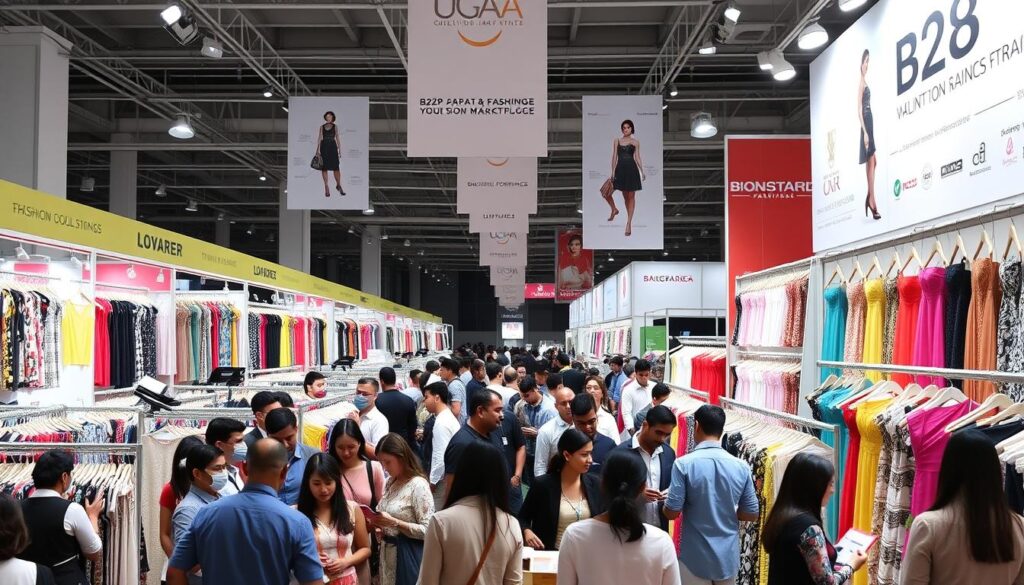
Another consideration is the growing consumer demand for sustainability. Modern consumers are increasingly prioritizing eco-friendly and ethically produced garments. This shift might necessitate that clothing making processes evolve to integrate sustainable practices, which could potentially increase production costs. For Chinese manufacturers, maintaining competitive pricing while meeting these sustainable requirements presents a notable challenge.
In addition to rising labor costs and sustainability demands, increased competition from emerging markets adds another layer of complexity. Countries such as Vietnam, Bangladesh, and India are expanding their clothing production capabilities, potentially undercutting China’s longstanding dominance. As these nations develop more sophisticated manufacturing techniques and capacities, they could attract brands seeking diversification away from reliance on a single country.
Looking ahead, the interplay of these factors is likely to result in a more fragmented global clothing export landscape. China may need to adapt by investing in technology to automate clothing making processes or by enhancing its capabilities in the sustainable fashion segment. Such strategic pivots could help Chinese manufacturers remain competitive amidst growing international pressures.
In conclusion, the future of clothing exports will be influenced by rising costs, evolving consumer preferences, and competition from other emerging markets. How these dynamics unfold will be crucial in defining the direction and resilience of global clothing trade going forward.