Introduction
Launching a fashion brand requires more than creative designs and marketing. Finding the right manufacturing partner is one of the most important decisions that can influence product quality, production efficiency, and long-term business growth.
A professional private label clothing manufacturer can help transform your ideas into finished garments by providing product development, fabric sourcing, sampling, manufacturing, and quality control services.
However, choosing the wrong supplier may result in:
- Poor garment quality
- Production delays
- Higher costs
- Communication problems
- Inconsistent products
For fashion brands, selecting the right clothing manufacturer is not only about finding the lowest price. It is about finding a reliable partner who understands your brand vision and production requirements.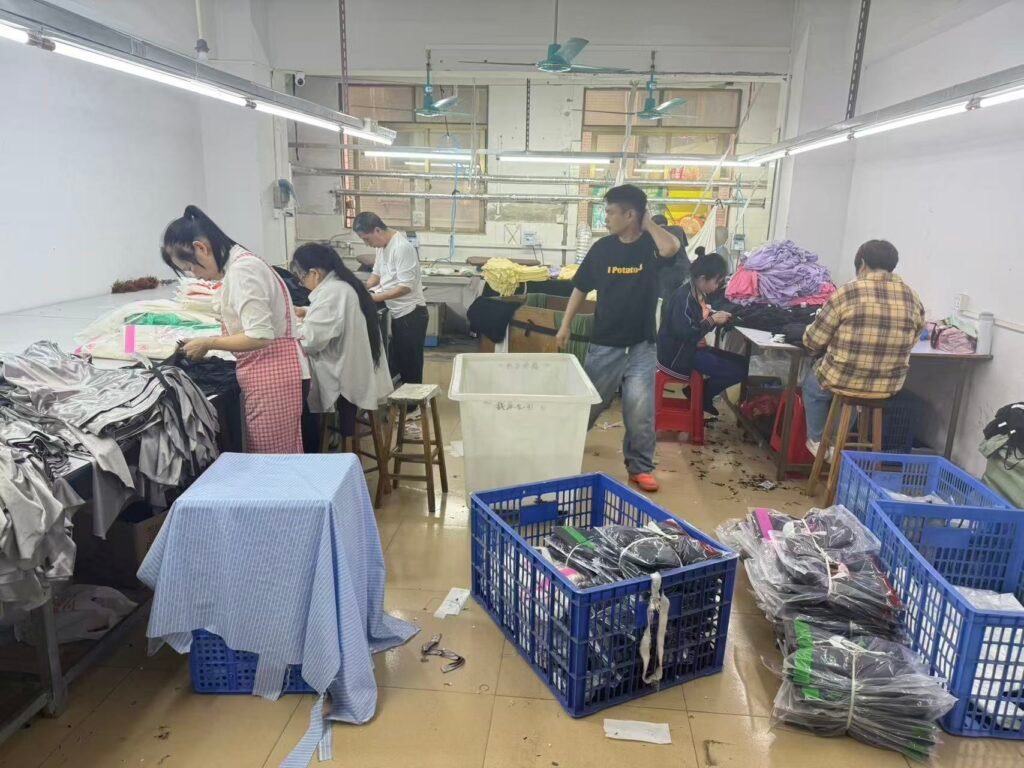
1. Understand What a Private Label Clothing Manufacturer Does
A private label clothing manufacturer produces garments that are customized according to a brand’s requirements.
Unlike purchasing ready-made products, private label manufacturing allows brands to control:
- Clothing designs
- Fabrics
- Colors
- Labels
- Packaging
- Product specifications
- Brand identity
A professional manufacturer usually supports the complete production process:
Product Development
Including:
- Design evaluation
- Pattern making
- Fabric recommendations
- Sample development
Manufacturing
Including:
- Cutting
- Sewing
- Finishing
- Quality inspection
Brand Customization
Including:
- Custom labels
- Hang tags
- Packaging
- Special details
This allows fashion brands to create unique products instead of competing with identical items in the market.
2. Evaluate Manufacturing Experience
Experience is one of the most important factors when choosing a clothing production partner.
A manufacturer with years of apparel experience usually understands:
- Different fabric characteristics
- Production challenges
- Quality standards
- International buyer requirements
Before cooperation, brands should evaluate:
Product Experience
Ask:
- What types of garments does the factory produce?
- Do they specialize in women’s clothing, men’s clothing, sportswear, or other categories?
- Have they worked with similar fashion brands?
Production Capability
Check:
- Production capacity
- Manufacturing equipment
- Skilled workers
- Quality control procedures
A manufacturer with suitable experience can provide better solutions during product development.
3. Check Sample Development Ability
Sample development is a critical stage before bulk production.
A professional private label clothing manufacturer should be able to create accurate samples based on your requirements.
The sampling process usually includes:
First Sample
Used to check:
- Overall design
- Pattern accuracy
- Construction details
Sample Adjustment
The manufacturer works with the brand to improve:
- Fit
- Measurements
- Fabric selection
- Sewing techniques
Final Approval Sample
This becomes the standard for bulk production.
A strong sampling process helps prevent expensive mistakes during mass production.
4. Consider Minimum Order Quantity (MOQ)
MOQ is an important consideration, especially for startup fashion brands.
Different manufacturers have different MOQ requirements.
A flexible manufacturer can help brands:
- Test new designs
- Launch small collections
- Reduce inventory risks
- Develop new products gradually
Low MOQ manufacturing is especially useful for:
- Emerging fashion brands
- Online clothing stores
- Independent designers
- New collections
However, extremely low MOQ is not always the best choice.
Brands should balance:
- Production cost
- Product quality
- Factory capability
5. Review Quality Control Standards
Quality consistency is essential for building a successful fashion brand.
A reliable clothing manufacturer should have quality control procedures throughout production.
Important inspection stages include:
Fabric Inspection
Checking:
- Fabric defects
- Color consistency
- Material quality
Production Inspection
Checking:
- Sewing quality
- Measurements
- Construction details
Final Inspection
Checking:
- Finished garment appearance
- Packaging
- Quantity accuracy
Strong quality control helps brands protect customer satisfaction and reputation.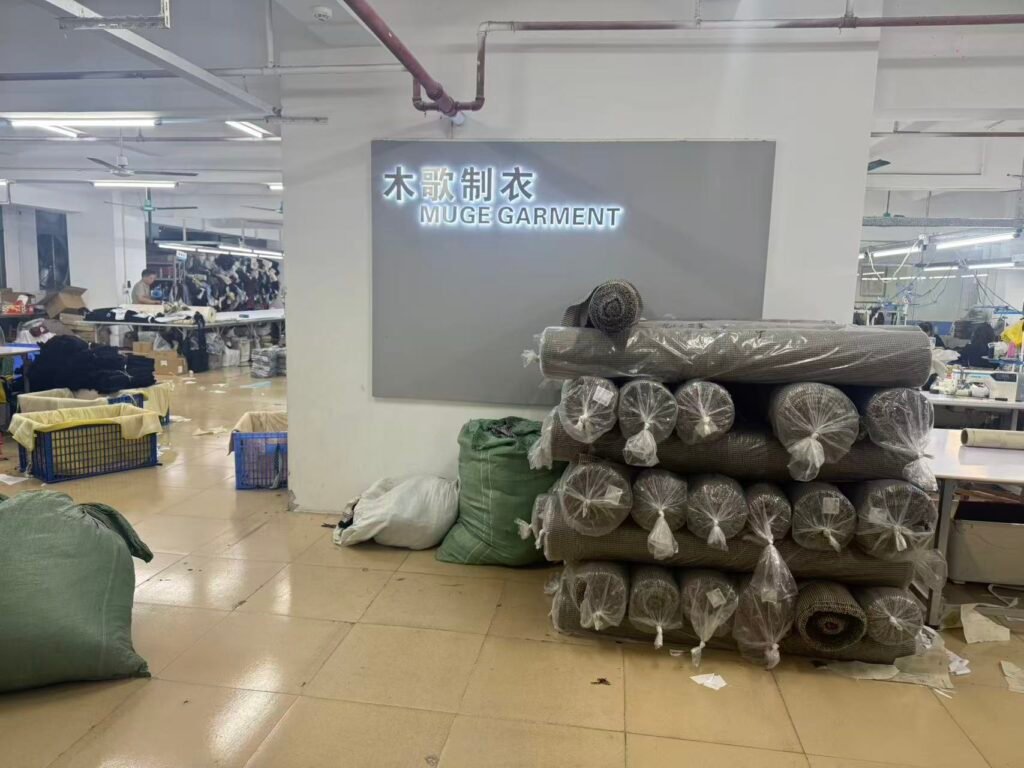
6. Communication and Support Matter
Many production problems happen because of poor communication.
A professional manufacturing partner should provide:
- Fast responses
- Clear production updates
- Technical advice
- Problem-solving support
Good communication helps brands manage:
- Design changes
- Sample revisions
- Production schedules
- Shipping arrangements
For international fashion brands, communication ability is just as important as manufacturing ability.
7. Compare Total Value, Not Only Price
Many brands choose suppliers based only on the cheapest quotation.
However, the lowest price may create hidden costs:
- Higher defect rates
- Production delays
- Additional revisions
- Poor customer experience
A better evaluation should include:
- Product quality
- Manufacturing experience
- Communication efficiency
- Production reliability
- Long-term cooperation potential
The best private label clothing manufacturer is the one that provides the right balance between cost, quality, and service.
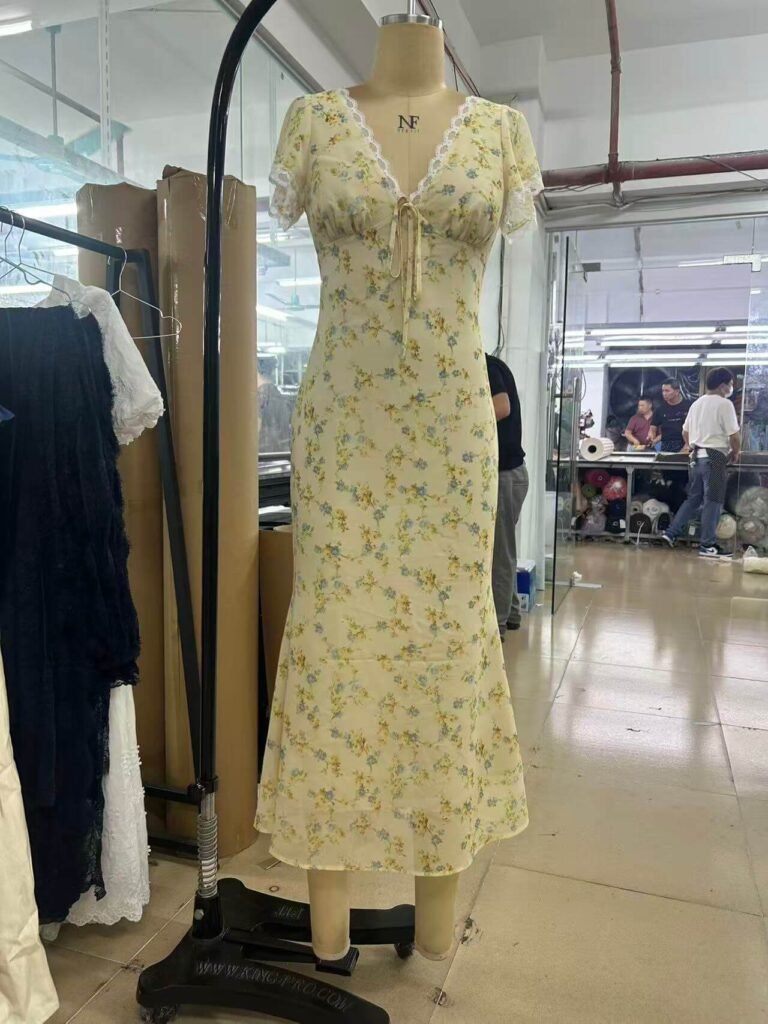
Why Choose Mugekoo as Your Private Label Clothing Manufacturer?
Mugekoo provides professional OEM and private label clothing manufacturing solutions for fashion brands worldwide.
Our services include:
- Custom apparel manufacturing
- Private label clothing production
- Sample development
- Fabric sourcing
- Quality control
- Global shipping support
With experience in women’s apparel manufacturing, Mugekoo helps brands turn creative ideas into finished products through reliable production processes.
From initial concept development to bulk manufacturing, our goal is to become a long-term production partner for growing fashion brands.
Conclusion
Choosing the right private label clothing manufacturer is one of the most important steps for building a successful fashion brand.
Brands should evaluate more than pricing. Manufacturing experience, product development ability, quality control, communication, and production flexibility all play important roles.
A reliable manufacturing partner can help fashion businesses create better products, reduce production risks, and build long-term growth.
FAQ
What is a private label clothing manufacturer?
A private label clothing manufacturer produces customized garments according to a brand’s designs, specifications, and branding requirements.
How do I find a reliable clothing manufacturer?
Brands should evaluate manufacturing experience, sample quality, production capability, MOQ requirements, communication, and quality control systems.
What is the difference between OEM and private label clothing?
OEM focuses on producing garments according to a customer’s designs, while private label usually includes customized branding such as labels, packaging, and product identity.
Can small fashion brands work with private label manufacturers?
Yes. Many manufacturers support small and medium-sized brands through flexible MOQ and product development services.