Article
How Much Does It Cost to Manufacture Clothing in China? 2026 Pricing Guide
For fashion brands planning to produce apparel, one of the first questions is:
How much does it cost to manufacture clothing in China?
The answer depends on many factors, including garment type, fabric selection, customization level, order quantity, and production requirements.
China remains one of the world’s largest apparel manufacturing hubs because brands can access a complete supply chain, skilled workers, flexible production options, and competitive manufacturing costs.
However, understanding the real cost structure is essential before starting production.
This guide explains the main factors that influence clothing manufacturing costs in China in 2026.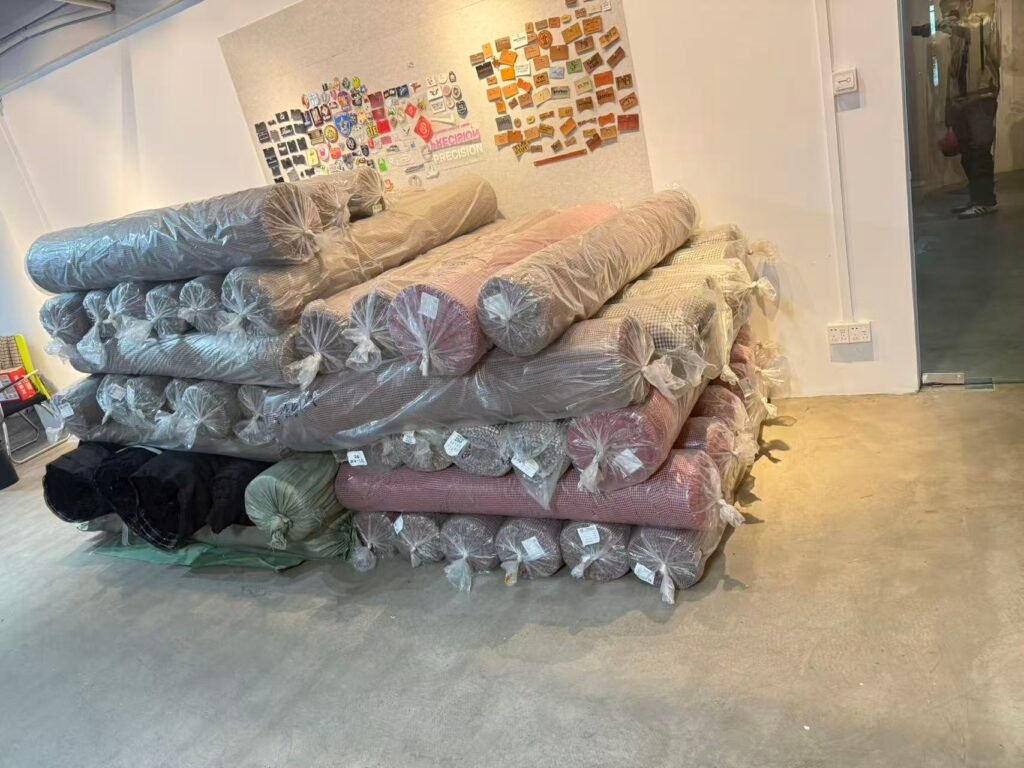
Average Clothing Manufacturing Cost in China
The production cost of garments varies depending on product complexity.
Typical factory production ranges:
| Product Type | Estimated Manufacturing Cost |
|---|---|
| Basic T-Shirt | $3 – $8 / piece |
| Hoodie | $8 – $20 / piece |
| Women’s Dress | $10 – $30 / piece |
| Blouse | $8 – $18 / piece |
| Jacket | $20 – $60 / piece |
| Activewear | $8 – $25 / piece |
These prices usually include:
- Cutting
- Sewing
- Basic quality inspection
- Standard production processes
Additional costs may apply for:
- Custom fabrics
- Embroidery
- Printing
- Special packaging
- Custom labels
What Factors Affect Clothing Manufacturing Cost?
1. Fabric Selection
Fabric is usually one of the biggest cost factors.
Different materials create different price levels.
Examples:
Cotton
Popular for:
- T-shirts
- Casual wear
- Hoodies
Cost depends on:
- Cotton quality
- Fabric weight (GSM)
- Organic certification
- Dyeing requirements
Polyester and Synthetic Fabrics
Common for:
- Sportswear
- Performance clothing
- Fashion blends
Advantages:
- Lower cost
- Good durability
- Easy production
Premium Fabrics
Examples:
- Silk
- Linen
- Organic cotton
- Sustainable fabrics
These increase production costs but can improve brand positioning.
2. Order Quantity (MOQ)
Production quantity directly affects unit price.
Generally:
Small quantity:
50-200 pieces
Advantages:
- Lower inventory risk
- Suitable for startups
- Easier product testing
Disadvantages:
- Higher unit cost
Medium quantity:
300-1000 pieces
Advantages:
- Better pricing
- More efficient production
Large quantity:
1000+ pieces
Advantages:
- Lowest production cost
- Better factory efficiency
Many emerging fashion brands now use small-batch production first and increase quantities after validating demand.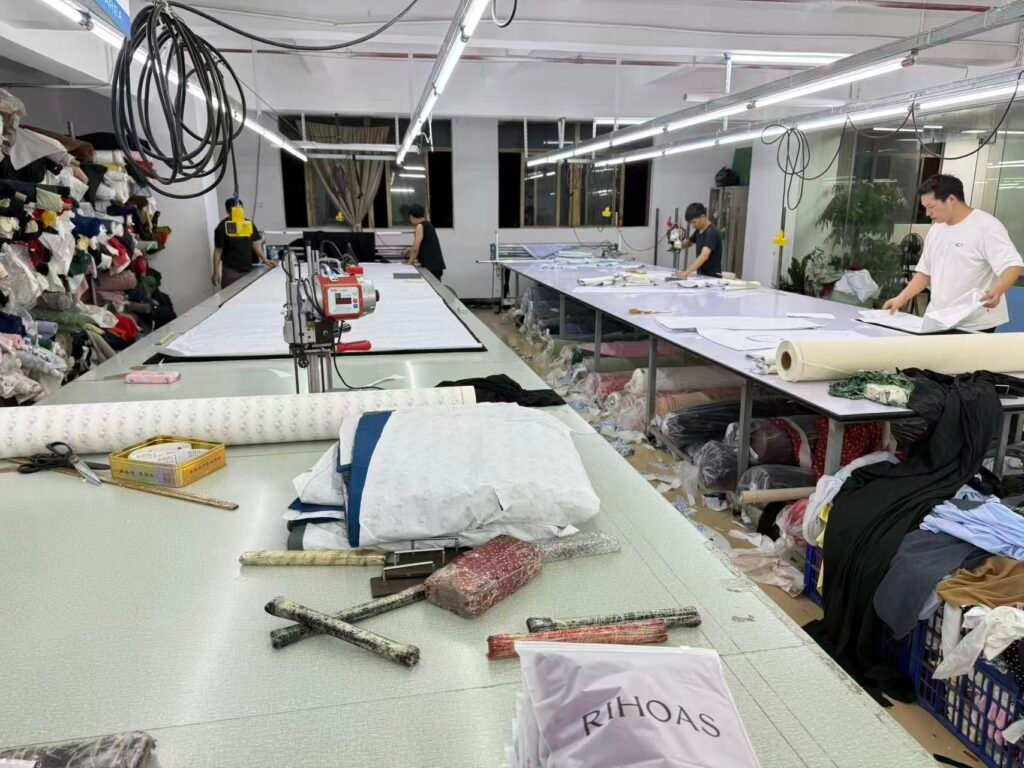
3. Garment Design Complexity
Simple designs cost less.
For example:
A basic T-shirt:
- Simple pattern
- Few sewing processes
- Standard fabric
will have a lower manufacturing cost.
A complex fashion garment may require:
- Multiple panels
- Special sewing techniques
- Embroidery
- Printing
- Decorative accessories
- More quality inspections
Complexity increases labor time and production costs.
4. Sampling Cost
Before bulk production, brands usually need samples.
Sample costs normally include:
- Pattern development
- Fabric preparation
- Sewing labor
- Adjustments
- Revision rounds
Typical sample cost:
$50-$300 per style
depending on complexity.
Professional manufacturers usually recommend approving samples before mass production to reduce production mistakes.
Clothing Manufacturing Cost Breakdown
A garment’s final cost usually includes:
Fabric Cost
Approximately:
30%-50% of total production cost
Depends on:
- Material
- Weight
- Quality
- Supplier pricing
Labor Cost
Includes:
- Cutting
- Sewing
- Finishing
- Quality control
Accessories
Including:
- Labels
- Buttons
- Zippers
- Hang tags
- Packaging
Factory Overhead
Includes:
- Equipment
- Management
- Quality control
- Production planning
OEM vs Private Label Manufacturing Cost
Different production models have different costs.
OEM Clothing Manufacturing
You provide:
- Designs
- Tech packs
- Specifications
Factory produces according to your requirements.
Advantages:
- Full customization
- Brand uniqueness
- Better control
Private Label Manufacturing
Factory helps provide:
- Existing designs
- Custom branding
- Labels
- Packaging
Advantages:
- Faster launch
- Lower development cost
Suitable for:
- New fashion brands
- Online sellers
- Boutique businesses

How Brands Can Reduce Clothing Production Costs
1. Choose the Right MOQ
Do not immediately order large quantities.
Start with:
- Market testing
- Small production runs
- Customer feedback
Then increase production.
2. Use Available Fabrics
Custom fabric development creates additional costs.
Using existing factory fabric options can reduce:
- Material minimums
- Development time
- Production cost
3. Simplify Product Development
Reduce unnecessary complexity:
Instead of:
- Multiple colors
- Complicated accessories
- Special techniques
Start with:
- Strong design concept
- Quality materials
- Professional finishing
Why Work With a China Clothing Manufacturer?
China offers advantages for global fashion brands:
Complete Supply Chain
Brands can access:
- Fabric suppliers
- Trim manufacturers
- Printing factories
- Packaging suppliers
in one manufacturing ecosystem.
Experienced Production Teams
Chinese garment factories have experience producing:
- Women’s fashion
- Streetwear
- Activewear
- Casual clothing
- Private label collections
Flexible Production Options
Professional factories can support:
- Small batch production
- OEM manufacturing
- Custom designs
- Large-scale orders
Mugekoo: Professional Clothing Manufacturer in China
Mugekoo helps international fashion brands develop and manufacture custom apparel.
Our services include:
- OEM clothing manufacturing
- Private label apparel
- Custom fashion production
- Small batch manufacturing
- Sample development
From the first idea to finished garments, we support brands with reliable production solutions and professional communication.
FAQ
How much does it cost to make a clothing brand?
The cost depends on product type, quantity, materials, and branding requirements. Small brands can start with smaller production runs before scaling.
Is manufacturing clothing in China cheaper?
China offers competitive manufacturing costs because of its complete supply chain and production experience.
What is the minimum order quantity for clothing production?
MOQ depends on garment type and customization requirements. Many factories support small batch production for emerging brands.
Conclusion
The cost of manufacturing clothing in China depends on more than just factory prices.
Successful brands consider:
- Product quality
- Material selection
- Production quantity
- Manufacturing partner experience
Choosing the right clothing manufacturer helps brands control costs while building reliable products.
For fashion companies looking for professional apparel production, Mugekoo provides flexible OEM manufacturing solutions designed for global brands.