How to Find a Reliable Clothing Manufacturer for Your Fashion Brand in 2026
Starting a fashion brand is exciting, but finding the right clothing manufacturer can determine whether your business grows or struggles. A reliable manufacturing partner does more than produce garments — they help brands control quality, reduce risks, improve production efficiency, and build long-term success.
For fashion brands, choosing the wrong supplier may lead to delayed shipments, inconsistent quality, high production costs, and customer complaints. That is why carefully selecting a professional clothing manufacturer is one of the most important decisions for any apparel business.
This guide explains how to find a reliable clothing manufacturer and what factors global fashion brands should consider before starting cooperation.
1. Understand What Type of Clothing Manufacturer You Need
Before searching for suppliers, fashion brands should clearly define their manufacturing requirements.
Different brands may need different production solutions:
- OEM clothing manufacturing
- Private label clothing production
- Custom apparel manufacturing
- Small batch clothing production
- Large-scale garment manufacturing
For example, a startup fashion brand may need a manufacturer that supports low MOQ orders, while an established brand may focus more on production capacity and supply chain management.
Choosing a manufacturer that matches your business stage can save time and avoid unnecessary costs.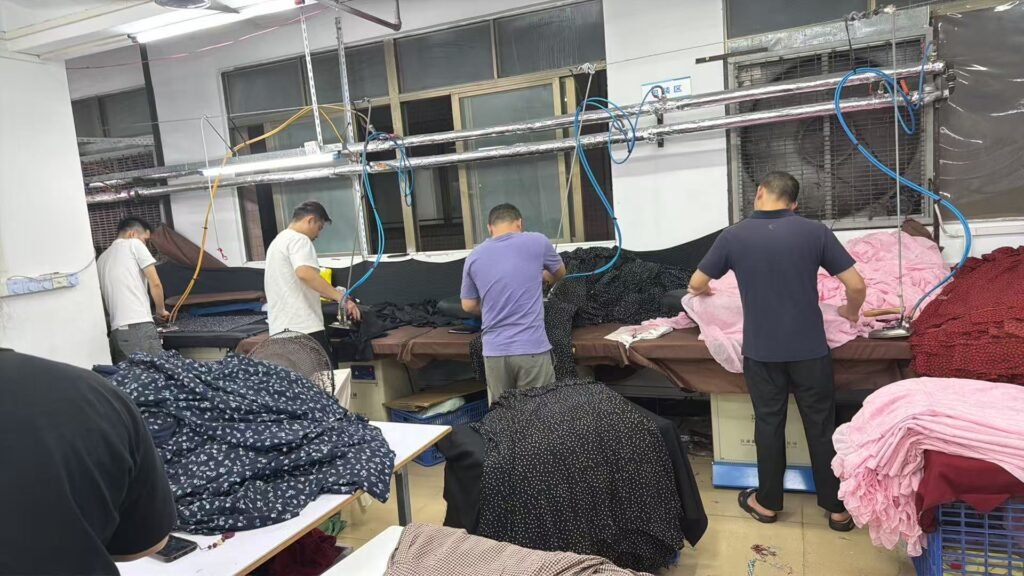
2. Check the Manufacturer’s Industry Experience
Experience is one of the most important indicators when selecting a clothing supplier.
A professional manufacturer should have experience producing different types of garments, including:
- T-shirts
- Hoodies
- Sweatshirts
- Jackets
- Sportswear
- Streetwear
- Casual clothing
Experienced manufacturers understand fabric selection, pattern making, sewing techniques, quality control, and international export requirements.
Before cooperation, ask potential suppliers:
- How many years have you been producing clothing?
- What brands have you worked with?
- Which markets do you export to?
- What types of products do you specialize in?
A manufacturer with proven experience is usually better prepared to solve production challenges.
3. Evaluate Manufacturing Capability and Production Capacity
A reliable clothing manufacturer should have strong production capabilities.
Important factors include:
Production Equipment
Modern equipment improves efficiency and product consistency.
Skilled Workers
Experienced sewing workers and technicians help maintain garment quality.
Production Management
A professional factory should have organized production processes, including:
- Sample development
- Material sourcing
- Cutting
- Sewing
- Quality inspection
- Packaging
- Shipping preparation
Understanding a factory’s production workflow helps brands determine whether the supplier can handle future growth.
4. Request Samples Before Placing Large Orders
Never start a large production order without testing samples.
Samples allow brands to evaluate:
- Fabric quality
- Stitching quality
- Size accuracy
- Printing or embroidery details
- Overall garment appearance
A trustworthy manufacturer will usually provide samples and communicate openly about adjustments.
The sample stage is also a good opportunity to test the supplier’s communication speed and problem-solving ability.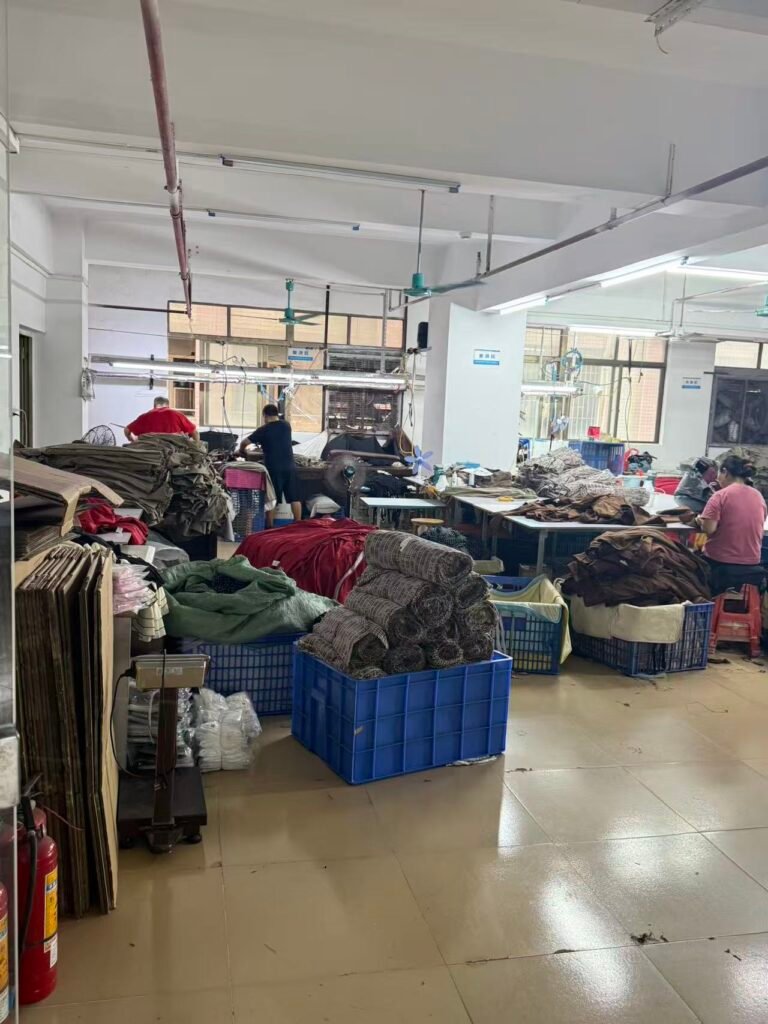
5. Review Quality Control Processes
Quality control is critical for fashion brands.
A reliable clothing manufacturer should have inspection procedures throughout production.
Common quality checks include:
- Fabric inspection
- Cutting inspection
- Sewing inspection
- Measurement checking
- Final garment inspection
Strong quality control reduces defective products and protects your brand reputation.
6. Compare MOQ and Pricing Carefully
Many brands focus only on the lowest price, but the cheapest supplier is not always the best choice.
A professional evaluation should include:
- Product quality
- MOQ requirements
- Production time
- Communication efficiency
- Shipping support
- After-sales service
The right manufacturer should provide a balance between cost and quality.
For emerging brands, finding a supplier with flexible MOQ options can make launching new collections easier.
7. Communication Is a Key Factor
Successful clothing production requires constant communication.
A reliable manufacturer should:
- Respond quickly
- Provide clear information
- Explain production processes
- Share updates during manufacturing
- Solve problems professionally
Poor communication often causes delays and misunderstandings.
For international fashion brands, choosing a manufacturer with experience working with overseas clients is especially important.
8. Check Export Experience and Global Shipping Ability
If your brand sells internationally, your manufacturer should understand export requirements.
A professional supplier should be familiar with:
- International shipping
- Export documents
- Packaging requirements
- Different market standards
This helps ensure smoother delivery and fewer unexpected problems.
9. Build a Long-Term Manufacturing Partnership
The best clothing manufacturers are not only suppliers — they become strategic partners.
Long-term cooperation can help brands achieve:
- Better production efficiency
- Improved product quality
- Faster development cycles
- More competitive pricing
A strong manufacturing relationship allows fashion brands to focus on marketing, sales, and brand growth.
Why Choose Mugekoo as Your Clothing Manufacturing Partner?
Mugekoo provides professional OEM and custom clothing manufacturing services for global fashion brands.
With experience in garment production, product development, quality control, and international shipping, Mugekoo helps brands transform ideas into high-quality apparel products.
Whether you are launching a new fashion label or expanding an existing clothing business, working with the right manufacturing partner can help you build a stronger brand.
Conclusion
Finding a reliable clothing manufacturer requires careful research and evaluation. The right supplier should provide consistent quality, professional communication, flexible production solutions, and reliable delivery.
For fashion brands looking for long-term growth, choosing the right manufacturing partner is not just about producing clothes — it is about building a successful supply chain.