Garment size label verification checks that a finished item carries the size identification intended for its pattern, production batch and retail package. A neatly attached label can still be wrong. For private-label women’s clothing buyers, verification needs to follow the garment from component approval to final packing. This guide focuses on preventing size mix-ups, while garment measurement, barcode readability and label material performance remain separate checks.
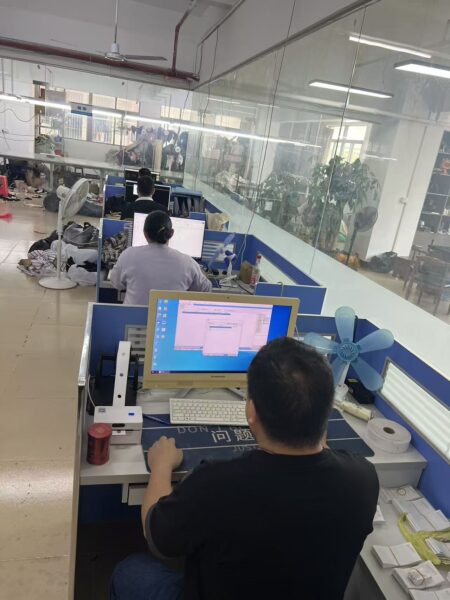
Create one approved size-identification matrix
List style, internal production size, required retail size wording and the corresponding label reference. Include separate markets or fit ranges where relevant. If a garment uses more than one size identifier, record the required wording on each component.
Do not infer an international size conversion from memory. The buyer should supply or approve the mapping used for the order. Keep the matrix version, approval date and owner identifiable so printing, sewing and packing teams do not use different interpretations of the same size code.
Approve label components and artwork separately
Check every size variant against the matrix, including orientation, readability and component reference. Keep material, dimensions and attachment approval distinct from the data check. A correct fabric label sample does not establish that all later size variants contain the intended text.
Avery Dennison’s permanent-branding portfolio includes size labels among its woven-label options. Whatever format is chosen, connect each variant to the private-label component specification before bulk procurement.
Control issue and changeover on the sewing line
Keep size variants separated and identified in storage and at issue. Record which label reference is supplied to which style and size batch. When the line changes size or style, define how remaining components are removed and how the next set is checked.
Use the bundle numbering process to preserve garment identity during production. Matching a label only to an unlabeled loose panel is not a reliable check if the batch identity has already been lost. Resolve that identity before attaching or replacing labels.
Verify an initial piece against the production reference
At the agreed start or changeover checkpoint, compare the assembled garment’s identifiers with the size matrix and batch record. Identify who confirms the result and what evidence is retained. Include any separate label, hangtag or size sticker used later in the process.
Keep physical measurements as a separate control. A garment carrying the intended label may still fall outside its approved measurements. Conversely, a measurement difference should not be corrected merely by assigning a different size label without the buyer’s authorized decision.
Cross-check retail components before sealing
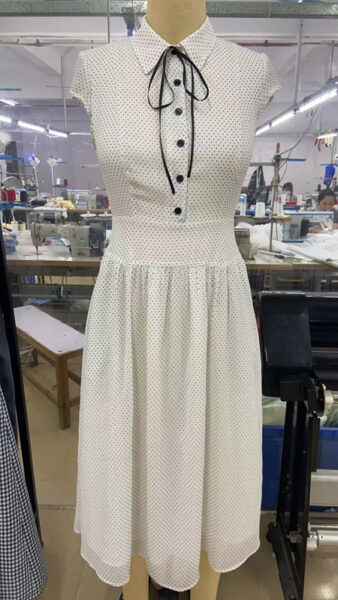
Compare the sewn size label, hangtag, bag sticker and packing instruction where they carry size information. If a barcode is used, check that its data points to the approved style and size as well as testing its readability. A successful scan does not prove the garment inside the bag matches that identity.
Use the barcode requirements guide for that separate workflow. Inspect the garment and its associated components together at the agreed stage, rather than approving labels in one area and assuming the final pairing is correct.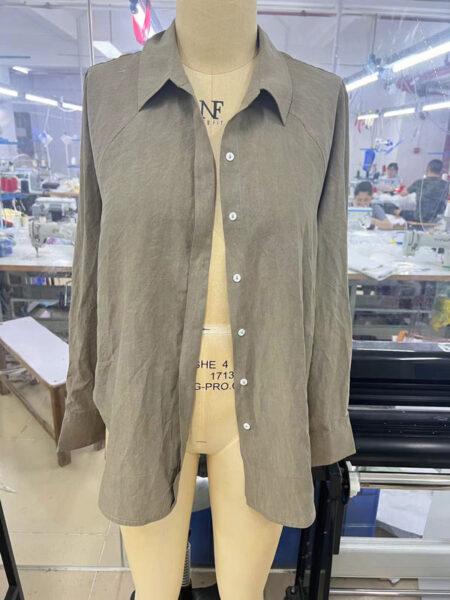
Hold suspect items and document corrections
If a mismatch is found, isolate the affected batch and determine the possible scope using issue and changeover records. Confirm the true garment identity before any relabeling. Agree the correction and recheck plan, including whether already packed units need to be reopened.
Reconcile quantities by style and size before confirming shipment. Keep incorrect or obsolete labels out of released stock, and record what was replaced. The carton assortment plan should reflect verified garment quantities, not only the count of printed stickers.
For a private-label order with Mugekoo, provide the approved size wording, mapping, component artwork and quantities. Ask the factory to confirm verification responsibilities at issue, initial production and packing. A documented chain of checks gives the buyer more useful evidence than a general statement that all labels were inspected.