Women’s woven trench coat manufacturing should begin with an identified construction and use case. A lightweight fashion trench, a lined transitional coat and a performance rain garment are different production briefs. For overseas brands, wholesalers and marketplace sellers buying women’s clothing in China, clear specifications help the factory assess capability and quote the intended product.
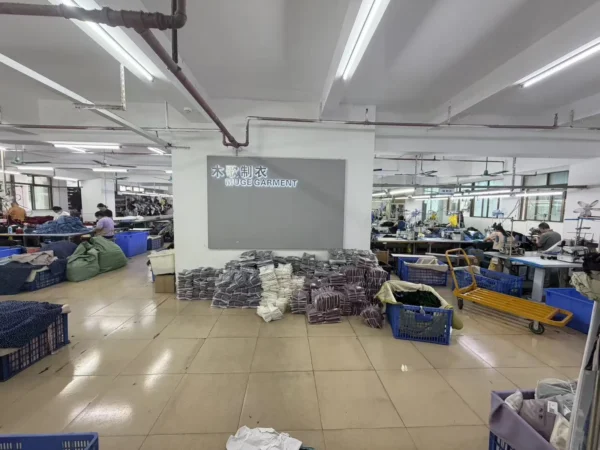
This guide focuses on fashion trench coats made from woven fabric. When discussing custom clothing manufacturing services, request confirmation that the factory can execute your specific fabric, internal construction and finishing. Any weather-protection claim needs its own specification and supporting evidence; a trench silhouette alone does not establish that performance.
Specify the silhouette and functional details
Provide front, back and internal drawings showing length, front overlap, collar, lapels, sleeve type and vent arrangement. Identify single- or double-breasted closure, storm flaps, shoulder tabs, cuff straps, pockets and belt loops. Mark which details are functional and which are decorative.
Define the intended shape when the coat is open, fastened and belted. A photograph may not reveal the underlying construction or lining coverage. Ask the factory to identify unanswered questions before treating an initial image-based estimate as an order-ready price.
Approve fit over the intended clothing layers
Tell the sample team what the customer is expected to wear underneath. Check shoulder and sleeve movement with that layer in place, together with front balance, closure overlap and room when sitting. Review the belt position and back vent during walking, rather than assessing the garment only on a stationary hanger.
Use a fit reference and defined measurement points. Where the style has substantial overlap or an adjustable belt, specify how measurements are taken and how the sample is positioned. Record changes by revision so the final sample and bulk quotation refer to the same proportions.
Confirm outer fabric, support and lining as an assembly
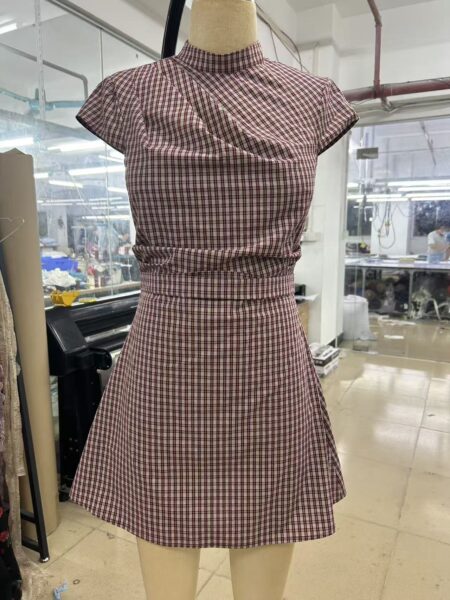
Request the actual outer fabric reference, lining specification and proposed support materials for collars, fronts and other identified areas. Review a sample or trial assembly using those materials. Ask the factory to confirm its process for any fused components before releasing the construction for production.
Freudenberg’s ladieswear overview describes interlinings used to support women’s coats. For a specific trench, material selection still needs to be matched to the outer fabric and intended care. Evaluate the assembled result for unwanted stiffness, visible impressions, distortion and lining restriction.
If the brief includes a special finish or performance requirement, name it explicitly and request the relevant test and approval scope. Keep a fashion appearance requirement separate from an unverified functional promise in both the purchase order and marketplace listing.
Trial belts, buckles and pockets before final approval
Specify belt dimensions, finished length, end shape, loop placement and any buckle or eyelet arrangement. Check that the belt passes through the loops as intended and that the adjustment range works across the proposed sizes. Confirm the trim reference rather than approving a visually similar replacement without review.
Evaluate pocket access while the coat is worn, and inspect reinforcement and internal finish. Check buttons, buttonholes and cuff adjustments in the actual assembly. These details should appear in the bill of materials and sample comments so the factory prices the final product, not a simplified version.
Request MOQ by style, color and material
Show the full size assortment for each color. Ask about the garment minimum and any separate purchasing minimum for outer fabric, lining, buttons and hardware. A custom buckle or special color may introduce a commitment beyond the number of finished coats.
Consult the MOQ planning guide by color and size for the assortment framework. For the trench quote, identify whether stock or separately developed materials are being considered. Compare a realistic alternative quantity without changing the construction, and record how any purchased surplus materials would be handled.
Separate sample development from the bulk unit price
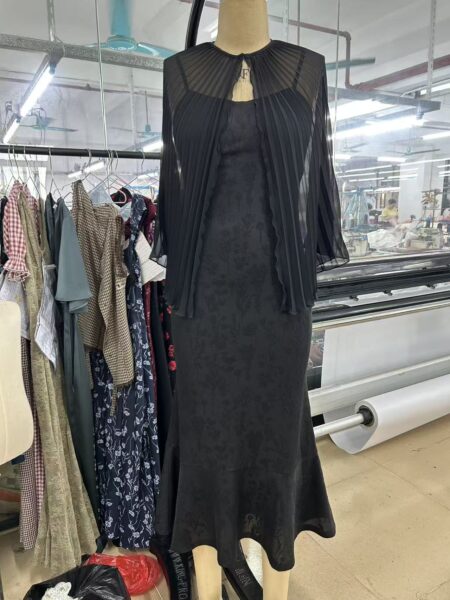
Ask which development stages the sample fee covers: pattern work, fit samples, material trials, construction revisions and final pre-production approval. Clarify the status of any buyer-supplied pattern and the work needed to adapt it. Confirm courier charges and any conditions for a sample-fee credit against production.
The private label sample cost guide provides a separate breakdown of development work. For bulk pricing in China, request the final specification, quantity, currency, delivery term and included services. Lining coverage, belts, hardware, detailed pockets, pressing and packing should be visible in the agreed scope.
| Buyer input | Quotation confirmation |
|---|---|
| Construction drawings | Included flaps, pockets, lining and internal finish |
| Approved material references | Actual fabric, support, lining and hardware priced |
| Sample plan | Required stages, separate fees and revision scope |
| Quantity and shipment presentation | MOQ, bulk unit price and packing arrangement |
A lower quote based on omitted lining or simpler hardware is an alternative product proposal. Label it accordingly. Compare total purchasing commitment as well as unit price before deciding whether the alternative fits the collection and target customer.
Request a trench coat feasibility review and quotation
Send Mugekoo your tech pack or detailed drawings, target fabric, lining and hardware references, sample needs, quantities and delivery target. Request a women’s trench coat production review and ask the factory to confirm capability, MOQ, sample fees, bulk unit price and quote validity. Share the target budget and essential details. Actual material availability, accepted construction and the production window must be reviewed before an order is committed.