For fashion brands, controlling clothing manufacturing costs is one of the most important factors for building a profitable business.
However, reducing production costs does not mean simply choosing the cheapest clothing manufacturer.
A low-cost supplier may create hidden problems such as poor quality, delayed delivery, high defect rates, and additional expenses.
Successful fashion brands focus on improving the entire manufacturing process — from product development and material selection to production management and supplier cooperation.
Working with an experienced OEM clothing manufacturer can help brands achieve better cost control while maintaining product quality.
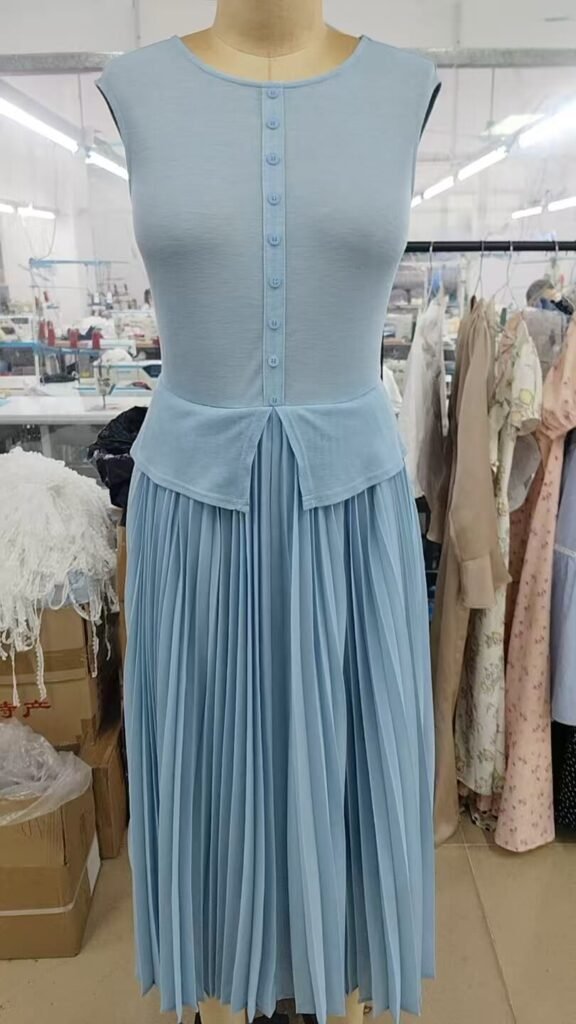
1. Understand the Complete Clothing Manufacturing Cost Structure
Before reducing costs, brands need to understand where the money goes.
The total clothing manufacturing cost usually includes:
Fabric Cost
Fabric is often one of the largest parts of garment production costs.
The price depends on:
- Fabric composition
- Weight (GSM)
- Quality level
- Order quantity
- Supplier availability
Choosing the right fabric supplier and material can significantly affect the final garment price.
Labor and Production Cost
Manufacturing costs include:
- Cutting
- Sewing
- Finishing
- Quality inspection
- Packaging
Different garment styles require different production processes.
For example:
A simple T-shirt requires fewer processes compared with a structured jacket or detailed women’s dress.
Understanding production complexity helps brands create realistic budgets.
Development Cost
Before bulk production, brands usually need:
- Pattern making
- Sample development
- Size adjustment
- Material testing
Professional manufacturers can help optimize development costs by reducing unnecessary sample revisions.
2. Create Accurate Product Specifications
Many production costs increase because of unclear product requirements.
Before production begins, brands should prepare:
- Tech pack
- Size chart
- Fabric information
- Color references
- Sewing details
- Packaging requirements
A complete tech pack allows manufacturers to understand the product accurately.
This reduces:
- Communication mistakes
- Sample modifications
- Production delays
- Material waste
A professional clothing manufacturer can provide better quotations when product information is clear.
3. Choose the Right MOQ Strategy
MOQ (Minimum Order Quantity) has a major impact on clothing manufacturing costs.
Many new fashion brands think smaller orders are always cheaper.
However, very small quantities often have higher unit costs because:
- Fabric purchasing becomes more expensive
- Production efficiency decreases
- Setup costs are distributed across fewer pieces
A better strategy is finding a manufacturer that provides flexible MOQ solutions.
For startups, small batch production can help test the market.
For established brands, larger production volumes can reduce average manufacturing costs.
4. Optimize Fabric Selection
Fabric selection directly affects garment pricing.
Brands can reduce costs by:
Using Alternative Fabrics
Sometimes similar fabrics can achieve the same appearance and quality at a lower price.
Experienced manufacturers can recommend alternatives based on:
- Hand feel
- Durability
- Market positioning
- Target price

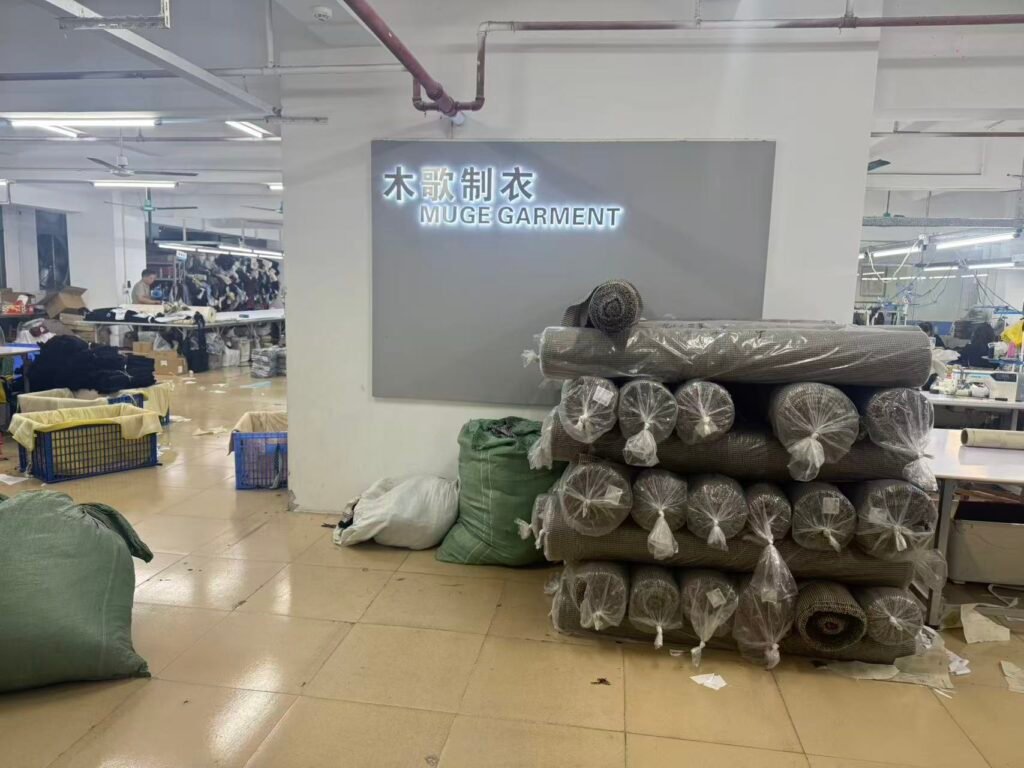
Planning Fabric Purchasing Early
Last-minute fabric purchasing often increases costs.
Early planning allows manufacturers to:
- Find better suppliers
- Compare prices
- Reserve production materials
- Avoid seasonal price increases
5. Reduce Production Waste
Efficient production management helps reduce unnecessary costs.
Common sources of waste include:
- Incorrect cutting
- Poor pattern design
- Fabric defects
- Excess inventory
Professional manufacturers use production experience to improve:
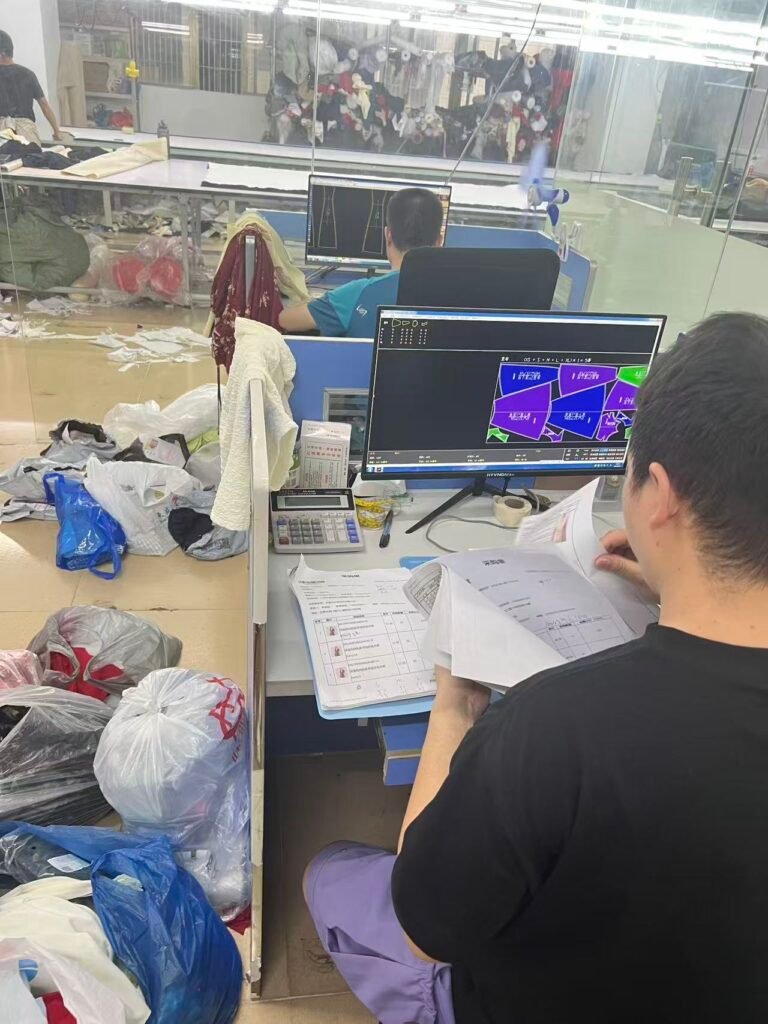
- Pattern efficiency
- Fabric utilization
- Production planning
Reducing waste improves both cost efficiency and sustainability.
6. Work With a Reliable OEM Clothing Manufacturer
Choosing the right manufacturing partner is one of the biggest factors affecting production costs.
A professional manufacturer can help brands:
✔ Improve product development
✔ Recommend cost-effective materials
✔ Reduce production errors
✔ Maintain consistent quality
✔ Improve delivery efficiency
The cheapest supplier is not always the most economical choice.
A reliable manufacturing partner creates long-term value by reducing hidden costs.
7. Improve Communication Efficiency
Poor communication can create unexpected expenses.
Common problems include:
- Incorrect samples
- Wrong materials
- Production delays
- Shipping problems
International brands should work with manufacturers who provide:
- Clear communication
- Professional product suggestions
- Regular production updates
- Transparent costing
Better communication creates smoother production and reduces unnecessary expenses.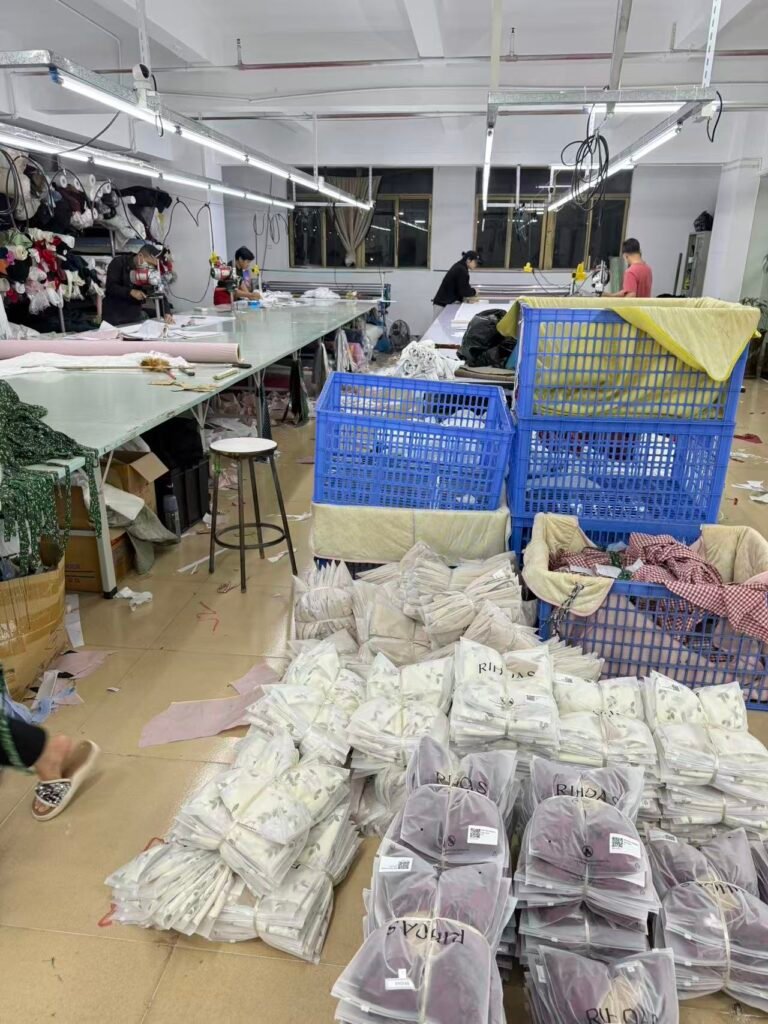
How Mugekoo Helps Brands Control Clothing Manufacturing Costs
Mugekoo provides professional OEM and custom apparel manufacturing solutions for global fashion brands.
Our services include:
- Custom clothing production
- Private label apparel manufacturing
- Sample development
- Fabric sourcing
- Quality control
- Bulk production support
By combining manufacturing experience with flexible production solutions, Mugekoo helps brands create high-quality clothing while maintaining competitive production costs.
Conclusion
Reducing clothing manufacturing costs is not about finding the cheapest factory.
Successful fashion brands achieve better profitability through:
- Smart material selection
- Clear product planning
- Efficient production management
- Reliable manufacturing partnerships
Choosing an experienced OEM clothing manufacturer can help brands reduce risks, improve quality, and build a stronger fashion business.
FAQ
How can fashion brands reduce clothing production costs?
Brands can reduce costs by optimizing materials, improving product specifications, selecting suitable MOQ levels, and working with experienced manufacturers.
Is the cheapest clothing manufacturer the best choice?
Not always. A low-price supplier may create additional costs through quality problems, delays, and production mistakes.
Can OEM manufacturers help reduce production costs?
Yes. Professional OEM manufacturers can provide suggestions on fabrics, production methods, and process optimization.