Private label clothing barcode requirements should be settled before labels, hangtags and packaging enter bulk production. A barcode is a small component, but a wrong SKU, unreadable print or misplaced ticket can interrupt warehouse receiving and retail launch. For brands selling through stores, marketplaces or fulfilment partners, barcode readiness is a production requirement—not a task to leave until goods are packed.
The factory does not decide your product data, but it can turn approved data into consistent physical tickets and labels. The buyer’s role is to provide a clear master file; the factory’s role is to verify the artwork, placement, application method and packing handover before bulk quantities are made.
Build one approved SKU and barcode master
Start with a structured file that maps each sellable variation to its unique SKU and barcode data. Include style number, color name or code, size, barcode value, human-readable number, ticket version, placement and any retailer or fulfilment reference. Do not rely on filenames or separate chat messages for size-level data.
For a multi-color women’s collection, confirm that each color-size combination is represented correctly. This supports the same discipline used for planning MOQ by color and size and reduces the chance of a correct garment carrying the wrong ticket.
Confirm the physical ticket before bulk printing
Approve the material, dimensions, print contrast, hole position, string or fastener, and attachment point. A barcode must remain flat enough to scan and must not be damaged by folding, polybagging or shipment. If the style uses a delicate fabric or a garment with no suitable hangtag point, agree an alternative method before production begins.
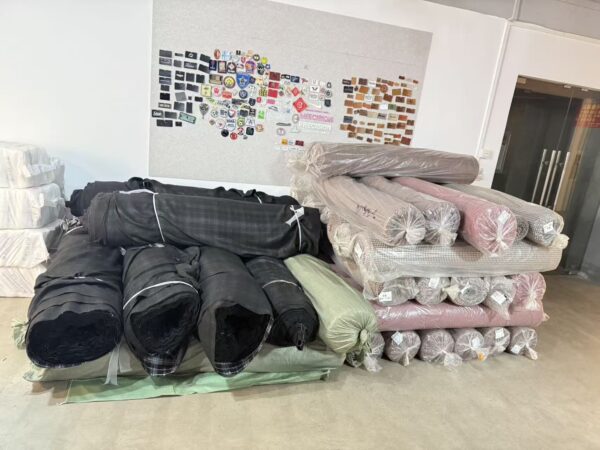
Barcode tickets usually sit within the broader package of labels and retail components. Review the factory’s labeling and packaging workflow alongside your barcode instructions so brand labels, care labels, hangtags, size stickers and outer carton marks do not conflict.
Check placement and packing flow
Specify where the ticket is attached and where any size sticker appears: garment, polybag, folded bundle or outer carton. Include reference photos or a marked sample. The same style may need different packing instructions for direct-to-consumer, wholesale and retailer deliveries.
Before the first packed carton, have the factory check that the barcode on the ticket matches the garment inside, the correct size is visible to warehouse staff and the packing list can reconcile style, color, size and quantity. These checks complement the pre-shipment document process.
Test scanability and version control
Ask for a pre-production proof and scan test on the actual printed ticket—not only on a digital PDF. Then freeze the approved artwork and give it a version reference. If the buyer changes a style name, color code or retail channel requirement, the change needs a controlled update before more tickets are printed.
Where tags, drawcords, buttons or branded accessories are part of the pack, align their lead times and approvals with the trim sourcing plan. A complete garment cannot ship retail-ready if the barcode ticket arrives late or needs a reprint.
What to request before shipment
Ask for photos of applied tickets, a sampled scan verification, a final SKU-to-carton quantity reconciliation and confirmation of any retailer-specific labels. A short record is much easier to review before dispatch than to correct after goods reach a warehouse.
Private label clothing barcode requirements are simple when the product data, artwork and packing steps are locked early. If you are preparing a retail-ready women’s wear order, use the contact page to share the SKU file and packaging requirements before sampling or bulk production.