Buyer-nominated trim suppliers let a fashion brand specify where zippers, buttons, labels or other components are sourced. The arrangement can help preserve a brand standard across factories, but it adds a separate supplier relationship to the production plan. An OEM clothing manufacturer cannot manage it reliably if purchasing, approval and replacement responsibilities remain unclear.
This guide focuses on the division of work when a buyer selects the supplier. It is different from choosing a trim specification: the same approved component may still arrive late, in the wrong quantity or under terms nobody has agreed to handle. Clarify the arrangement before confirming the garment delivery date.
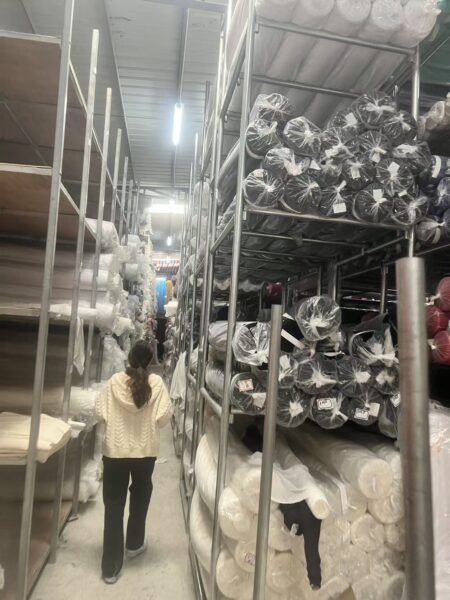
Distinguish nomination from purchase and delivery
A nominated supplier may be ordered by the factory, ordered directly by the buyer, or paid through another arrangement. Identify which route applies to each component. A supplier name on the bill of materials does not tell the factory who should place the order or follow up on an overdue shipment.
Record who issues the component purchase order, who pays, who receives the invoice, who arranges delivery and who can approve a substitute. Also identify the person responsible for resolving defects or shortages. These are operational decisions to agree in the order documents, not assumptions to make after production stalls.
Define the component precisely
Use the supplier’s exact item code together with the dimensions, finish, color and approved artwork revision. Request a physical standard or trim card where practical. A description such as “use the nominated gold button” is too broad if that supplier offers several similar finishes.
The private label trim sourcing guide covers specification and material approval. With nomination, add the ordering reference and supplier contact so the factory can confirm availability for the exact approved item. A quote for a similar stock component is not confirmation of the nominated one.
| Task | Owner to agree | Evidence before production |
|---|---|---|
| Ordering | Buyer or garment factory | Component order and supplier acknowledgment |
| Approval | Named brand reviewer | Approved physical reference and revision |
| Delivery follow-up | Named purchasing contact | Confirmed dispatch and arrival plan |
| Incoming checks | Receiving factory team | Quantity and specification check record |
| Defect resolution | Agreed buyer, factory and supplier contacts | Hold, replacement or approved corrective action |
| Leftover stock | Agreed inventory owner | Balance and storage or return instructions |
Check minimums and usable quantities
A nominated supplier may have color minimums, pack sizes or order increments that do not match the garment quantity. Calculate the components required per garment, any agreed allowance and the quantity already held in usable stock. Treat held, obsolete or unapproved items separately from available inventory.
For illustration, 400 dresses using two buttons each require 800 buttons before an agreed allowance is considered. If the supplier sells in packs of 500, the purchasing quantity may differ from consumption. The example does not establish a standard spare percentage. Agree the allowance using the component and production risk, then state who owns any surplus.
For low-MOQ women’s wear, ask whether existing approved stock can support the order and a possible reorder. Cheap unused stock is not useful if its color or artwork has been superseded.
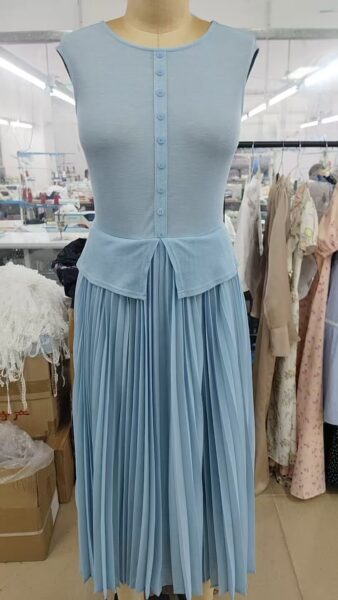
Make the arrival date an operation-specific deadline
Not every trim is needed at the same time. A zipper may be required during sewing, a main label at an earlier assembly operation and a hangtag during packing. Identify the required arrival date for each item and include time for receiving checks and any necessary replacement.
Connect those dates to the garment production calendar. An expected delivery date after the relevant sewing operation is already a conflict, even if the goods would arrive before final shipment. Resolve it before the garment factory reserves a line around an impossible sequence.
Keep incoming inspection even for approved suppliers
Supplier nomination is not permission to skip the receiving check. Verify the received item code, quantity, lot, dimensions, appearance and applicable approval reference. Where functional performance matters, agree how it will be evaluated with the garment.
If a discrepancy appears, segregate affected items and report it to the agreed contacts. Do not use an alternative solely to keep the line moving without the buyer’s approval. The material traceability workflow should connect the component lot to the styles and production quantities where it is used.

Agree a shortage or rejection response in advance
Document whether the parties would wait for replacement, revise a delivery date or evaluate an alternative. Ask who needs to approve each option and how cost or timing changes will be recorded. Avoid leaving the sewing team to interpret a commercial dispute.
When requesting a quotation from Mugekoo, include the nominated supplier list, item references, purchasing route, available stock and target dates. You can send the requirements to Mugekoo for a coordination review. A clear responsibility record helps the factory price its actual role and highlights component risks before they become garment delivery problems.