OEM clothing manufacturer material traceability connects the fabric, trims and packaging used in finished garments to their suppliers, purchase records, inspection status and production lots. For buyers, traceability makes quality investigations faster and reduces the risk of unapproved substitutions. It is especially valuable when one style uses several colors, dye lots or custom components.
What material traceability should answer
A practical system should show what material was received, who supplied it, which specification was approved, which inspection result applies and where the material was used. The objective is not excessive paperwork. It is the ability to move backward from a finished shipment to the relevant material lot and forward from a suspect lot to affected garments.
Start with approved material references
Every fabric and trim should have a clear code or description in the bill of materials. The record can include supplier name, composition, color, width, weight, finish, artwork version and approved sample date. The fabric sourcing specification should remain linked to purchase and receiving information.
Descriptions such as “black fabric” or “gold button” are too broad when several similar items exist. A supplier reference, internal code and physical approval standard make substitutions easier to detect.
Identify fabric rolls and dye lots
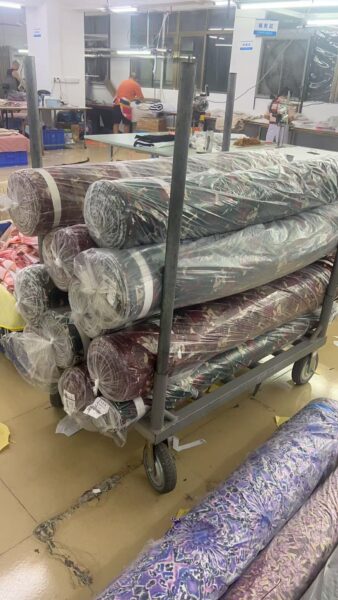
Each roll should retain its mill or supplier identification after receiving. The factory can add an internal label showing the purchase order, style, color, lot, roll number, quantity and inspection status. Shade groups should be recorded before spreading so visibly different lots are not mixed within one garment.
The fabric inspection process provides the defect, width and shade data needed to decide whether a roll is approved, held or rejected.
Maintain identity through cutting
Traceability can be lost when fabric leaves storage. Cutting records should show which rolls were issued to each lay or marker. Bundle tickets then carry the style, color, size, quantity and relevant lot information to sewing. This allows replacement panels to come from a compatible shade group.
- Fabric issue record by roll
- Marker or lay number
- Cut quantity by size and color
- Bundle identification
- Recorded remnants and unused quantity
- Rejected panel and recut records
Trace trims and branded components
Zippers, buttons, elastic, thread, labels and packaging can also create quality or compliance problems. The factory should connect each component with the approved supplier reference and receiving lot. The guide to private label trim sourcing explains how brands approve and control these components.
Custom labels, hangtags and branded hardware deserve additional control because unauthorized leftovers or obsolete artwork can create brand risk. Storage labels should distinguish current, held and discontinued versions.
Record production and inspection lots
Production records can connect cutting bundles with a sewing line, production date and inspection stage. Final packing information then links finished units to carton numbers. The necessary level of detail depends on order risk, but the system should support a targeted investigation rather than forcing the buyer to treat the entire order as one unknown lot.
How traceability supports corrective action
If a garment shows color variation, zipper failure or incorrect labeling, the team should identify affected material, supplier, inspection results and finished quantity. This helps distinguish an isolated component problem from a process problem affecting every unit.
A corrective-action record can then identify containment, root cause and prevention. Without traceability, the factory may replace visible defects but fail to control remaining material from the same lot.
Traceability for repeat orders
Repeat production should begin with the latest approved materials rather than an informal request to “use the same as last time.” Supplier codes, approved colors, test reports and retained samples support consistent reordering. The OEM repeat-production guide explains how approved references reduce variation between seasons.
Questions buyers can ask a supplier
- How are fabric rolls identified and shade grouped?
- Can cutting records show which rolls entered an order?
- How are approved and rejected materials separated?
- Are trim supplier codes recorded on the bill of materials?
- Can carton records identify the related production batch?
- How long are material and production records retained?

Use proportionate, usable records
OEM clothing manufacturer material traceability should be detailed enough to support quality control without creating records no one uses. Codes should remain consistent from purchasing through receiving, cutting, sewing and packing. Brands with specific retailer, certification or recall requirements can share their traceability checklist before order confirmation.