Fabric stretch and recovery testing helps clothing buyers evaluate how a material extends and how it behaves after the specified load or extension is removed. For woven women’s clothing, the purchasing question is whether the proposed shell material supports the intended fit and movement without unacceptable residual deformation. This guide focuses on garment fabric, rather than narrow waistband elastic, and connects laboratory findings with material and sample approval.
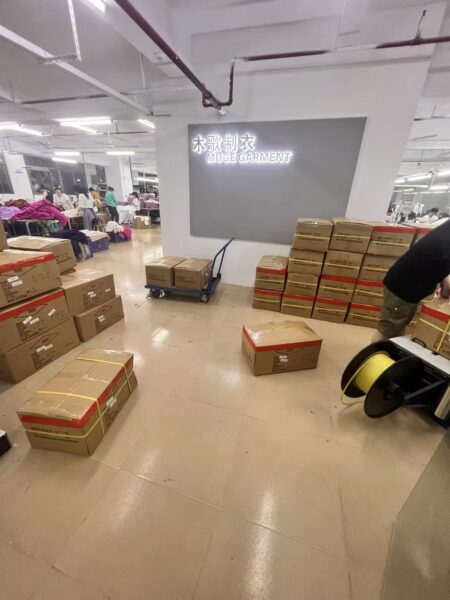
Define the properties needed for the garment
State the garment application, intended fit and areas where material movement matters. Identify whether the requirement concerns extension under a specified condition, recovery after a defined interval, residual extension or another property. Ask the laboratory to confirm the terminology used in the proposed report.
Fiber composition alone does not establish those results. A stretch claim on a supplier swatch card should be supported by the relevant evidence. Record fabric construction, weight, finish and material code so the requirement applies to an identifiable purchasing option.
Select a suitable method and edition
ISO 20932-1 covers strip and loop approaches for fabric elasticity and related properties, excluding narrow fabrics. Its published record includes a 2021 amendment. Ask the laboratory to confirm the required edition and amendment as well as applicability to the supplied material.
Do not transfer a waistband elastic procedure automatically to the garment shell. The garment elastic sourcing guide addresses that separate component. The test request should identify the material category and the assessment actually needed before specimens are prepared.
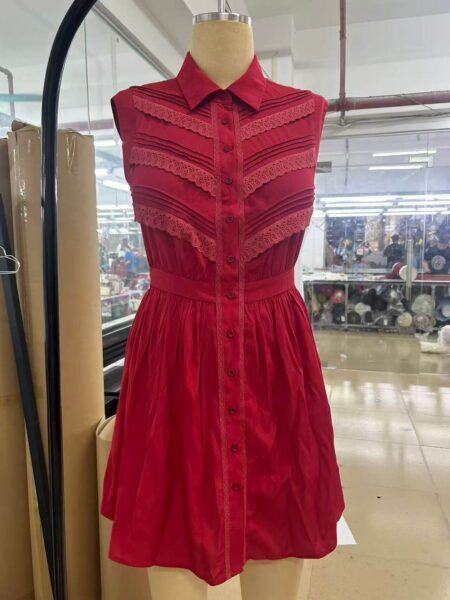
Record direction and loading conditions
Specify which material directions must be tested and how they are identified. For a woven fabric, explain the relationship to warp and weft, and record any other direction required by the selected method. A result in one direction should not be used as evidence for every orientation.
Confirm the prescribed loading or extension arrangement, repetitions, recovery timing and reporting format with the laboratory. These details affect interpretation. A statement such as “20 percent stretch” is incomplete without knowing the condition that produced it and whether recovery was assessed.
Test representative material
Submit the proposed finished fabric with color and lot identification. Ask whether different finishing lots or colorways require separate checks. If the order includes a lining, assess how the complete construction will move rather than assuming the shell result establishes unrestricted garment movement.
Keep the test submission connected to the fabric sourcing record. Distinguish a development sample from an actual bulk lot. Where the supplier changes the material after sampling, decide which approvals and tests need to be repeated before release.
Agree acceptance before the report arrives
Set the required limits and the decision rules with the buyer’s technical team and laboratory. Identify which properties require acceptance and whether individual determinations or a defined summary govern the decision. There is no universal recovery target here for every dress, blouse or trouser material.
Review specimen identity, procedure and conditions using the textile test report checklist. Do not treat maximum extension and residual extension as the same result. Ask the laboratory to clarify any wording that prevents the buyer from applying the written criteria.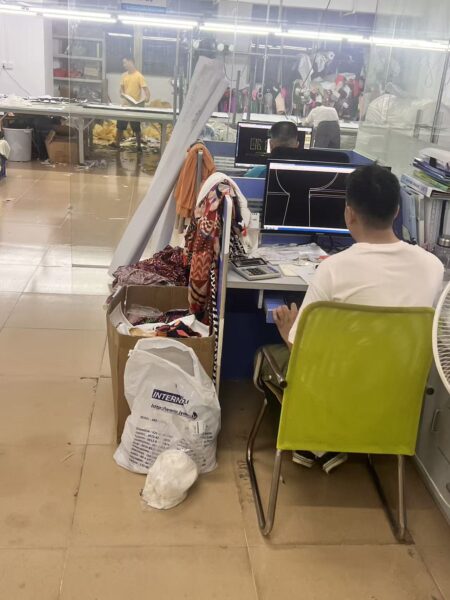
Relate the result to fit and care review
Evaluate a complete garment in the intended fit size, including sitting, walking and arm movement where relevant. Inspect areas that remain distorted after the agreed wear assessment. A passing material result does not independently approve pattern ease, seam performance or lining compatibility.
State whether the material also needs assessment after the product’s agreed care treatment. Coordinate that requirement with the wash-care testing plan. Keep pretreatment, conditioning and sample status identifiable so results from different states are not compared without qualification.
Control material changes and bulk release
If the findings are unsuitable, first verify the sample and procedure, then review material or construction alternatives. Evaluate the replacement’s drape, shade, feel and care behavior as well as the relevant stretch properties. Document the new approval instead of retaining the old result under a changed material code.
For a stretch-woven women’s clothing enquiry to Mugekoo, provide the design, material reference, quantities and buyer performance requirements. Ask the factory to confirm sourcing feasibility and the sample-and-test sequence. This establishes a usable material target without promising identical behavior under every wearing condition.