Tiered dress manufacturing requires more than specifying the number of skirt sections. Buyers need to define the length, fullness and join position of each tier so the factory can reproduce the intended silhouette. For overseas brands, wholesalers and retailers, those details influence fabric use, sewing work and sample approval. This guide focuses on dresses with joined horizontal skirt tiers; elastic shirring and permanent pleating require separate construction decisions.
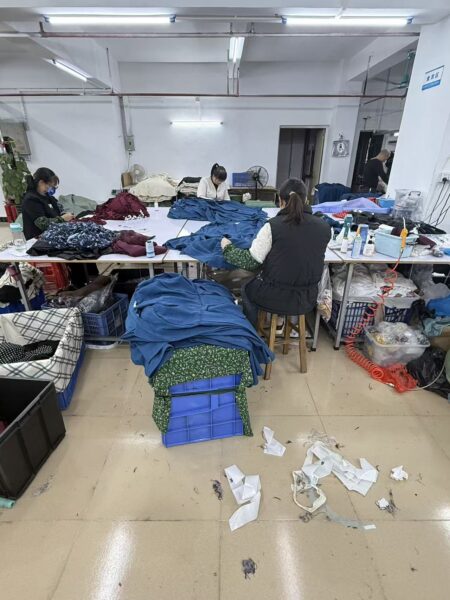
Draw the tier structure before requesting a quotation
Provide front and back drawings showing the bodice-to-skirt join, every tier seam and the finished hem. State whether the panels are gathered, flared or combined with ruffles. Identify any asymmetry and whether the back arrangement differs from the front.
Mark finished tier heights and explain where measurements begin and end. A photograph can suggest a three-tier silhouette without revealing whether the upper section includes the waist allowance or overlaps another panel. Keep visible lengths distinct from pattern cutting dimensions.
Specify fullness by section
Ask the pattern team to document the relationship between the panel being gathered and the edge it joins. Use an approved pattern or explicit dimensions rather than a general instruction to add more volume. Different fullness at the waist and lower tiers can produce different proportions.
Record how the gathering should be distributed, including any flatter areas near openings or seams. Review the complete sample on the intended fit reference. A flat panel trial helps assess sewing, but it cannot show the full skirt’s drape and movement.
Trial the actual fabric at the gathered join
Confirm shell composition, weight, finish and usable width before final sampling. Evaluate bulk, transparency and the appearance of the join with the intended seam and thread. A fabric that drapes well as a single layer may become too bulky when several allowances meet.
Use the fabric sourcing guide to keep material references consistent. Do not treat every irregular join as a gathering problem. Coats’ seam-puckering guidance identifies multiple possible contributors, including material structure and sewing feed. Ask the factory to investigate before prescribing one machine adjustment.
Approve the lining and print arrangement
Specify whether lining follows the shell tiers or uses a separate shape. Review movement and check that it does not pull the shell or become visible at the hem. Identify the intended lining coverage and attachment points, especially where a waist opening or zipper is included.
For a printed fabric, check motif direction and the appearance at horizontal joins. Use the woven dress print-placement guide to define priorities. Exact matching across gathered tiers may differ from the reference image and can affect material use, so approve the visual requirement before the final quote.
Keep grading and length options explicit
Ask how tier heights, circumference and gathering change through the ordered size range. Decide whether every size keeps the same number of tiers and whether a petite or tall version uses a separate length plan. Avoid distributing a total length adjustment without reviewing seam positions.
Use the women’s clothing size-grading guide to plan representative sample sizes. Compare the uppermost and lowest joins on the body, not just the overall length. A dress can meet total length while placing an important seam differently from the approved silhouette.
Compare prices using the same construction
Request confirmation of shell and lining, panel fullness, seam finishing, closures, pressing and packing. Ask whether print direction and matching allowances are included in the material estimate. Clarify minimum quantities by material and color, sample rounds and what changes trigger a revised price.
Before cutting, retain the accepted sample, tier drawing, pattern version and material references together. Inspect gathering distribution, joined-seam appearance, hem balance and measurements during production. Complete the agreed care review on the final construction rather than relying only on an untreated trial.
To discuss a tiered dress project with Mugekoo, send drawings, fabric preferences, size quantities and the delivery window using the manufacturing RFQ checklist. Ask the factory to confirm capability and the proposed approval sequence.