A marketplace apparel production brief connects what a seller plans to list with what a factory is instructed to make. For overseas women’s clothing brands and platform sellers sourcing from China, the risk is a gap between listing copy, product photographs, variant data and the approved garment. A clear handover makes those differences visible before sampling and bulk production.
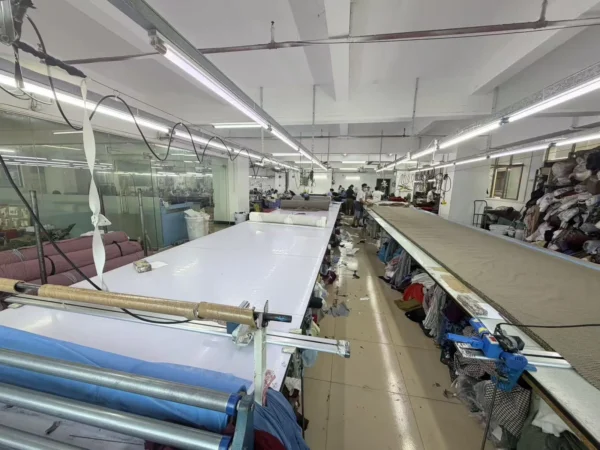
The brief supplements a technical package. When discussing custom clothing manufacturing services, supply the garment drawings and measurements together with the customer-facing requirements that affect construction, labels or packing. Identify provisional listing ideas so the factory can distinguish them from approved production instructions.
Start with a variant-to-garment map
Create one row for each ordered style, color and size combination. Include the seller’s internal SKU, garment style reference, material code, approved color reference, size designation and quantity. Make the relationship between a listing option and a physical garment explicit.
Keep marketing color names separate from production color references. A listing name such as “sand” is not enough to identify an approved fabric shade. If the seller later changes the display name, record whether that is only a listing edit or also a physical product change. Do the same for translated size names.
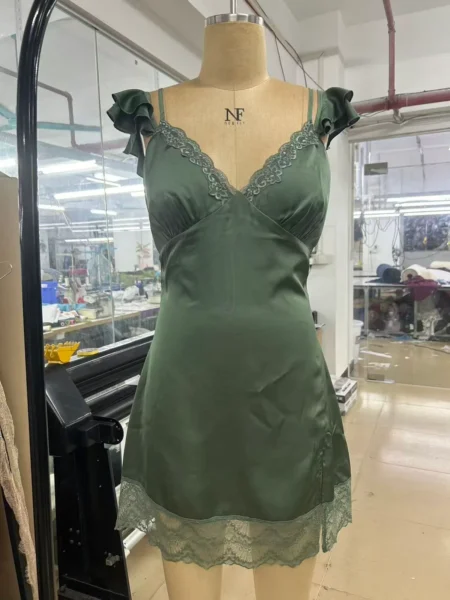
Convert listing promises into approval questions
Review the proposed description for details that need evidence: lining coverage, functional pockets, adjustable straps, closure type, included belts and any separate accessories. Assign each physical detail to a drawing, material reference or sample check. Remove uncertainty before the claim becomes part of the listing.
For composition, care and any claimed performance, identify who supplies and verifies the supporting information. Do not ask the factory to copy unverified wording from a competitor. If a requirement depends on the sales market or fulfillment channel, the seller should provide the current applicable instructions for review rather than assume that a generic factory packing method satisfies them.
Keep photography samples and bulk approvals connected
Mark whether an image shows an early prototype, a revised sample or the final approved product. If the photographed sample used substitute fabric, omitted lining or different buttons, list those differences. Decide whether photography must be repeated after the production specification is finalized.
Ask the sample team to confirm the details visible to the buyer, including hem length, pocket placement, hardware and coverage. Keep the final sample revision linked to the listing record. A seller should not approve a later construction change without checking whether the photographs and description still represent the delivered garment.
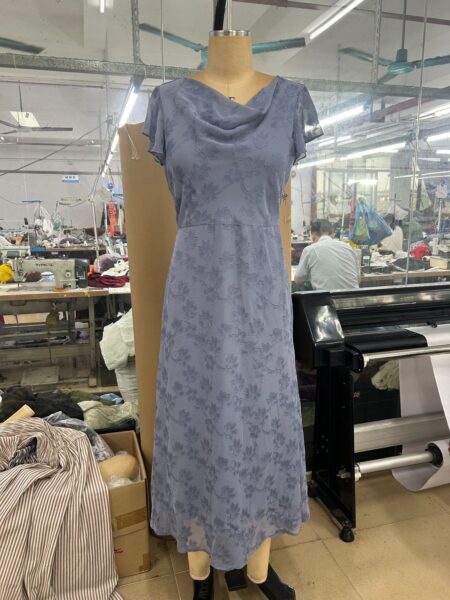
Separate garment requirements from fulfillment instructions
Maintain one section for the garment and another for labels, individual packing and carton preparation. Specify where a seller-supplied code or label belongs, which variant it identifies and how the final packed unit should be checked. Include versioned artwork and the required code data.
The private label clothing barcode requirements guide provides a starting point for checking code preparation and placement. The seller remains responsible for providing the instructions applicable to its actual channel. The factory should confirm what it can execute and flag missing files or conflicting requirements before printing or packing.
| Brief field | Production reference | Approval question |
|---|---|---|
| Listing variant | Style, color, size and SKU map | Does every ordered option identify one garment? |
| Visible product details | Drawings and final sample revision | Do images and description match the approved product? |
| Material and care statements | Verified material and supporting records | Is the wording supported for this product? |
| Packed unit | Label artwork and packing instructions | Can the correct variant be identified after packing? |
Price the approved brief before committing inventory
For women’s clothing production costs in China, request a quote based on the approved construction and the proposed variant quantities. Confirm the garment MOQ and any separate material, label or packing minimum. A large total order does not explain the quantity available for each style and color.
Ask for sample fees covering the required product and packing approvals, with revisions and courier costs identified. For the bulk unit price, confirm whether labels, code application, individual packing and carton preparation are included. Keep separately charged setup or printing work visible, and obtain written terms for any development credit.
Use the garment bill of materials guide to connect physical components with the approved production version. A changed label, accessory or packing specification should trigger review of the affected quote and listing records, rather than an undocumented substitution.
Release one coordinated version to the factory
Before production, confirm the accepted garment specification, sample revision, variant map, label files and packing instructions. Name the person who can approve a change and record the date of the release. Archive superseded files so the factory does not work from a mixture of old and new instructions.
Request early production evidence for the details most likely to create a listing mismatch. At final packing, check the link between the garment variant and its label. Agree how exceptions will be reported and resolved before shipment rather than treating a correct-looking carton as proof that every unit is correctly identified.
Send a marketplace production brief for review
Send Mugekoo your tech pack, variant table, final or provisional listing details, required samples, packaging files and target delivery window. Request a marketplace apparel production review and quotation asking for feasibility, MOQ, sample fees, bulk unit price and any separate packing charges. Actual channel instructions, product evidence and material availability must be confirmed for your order before the final production plan is accepted.