Chiffon dress manufacturing needs a clear decision about coverage, layers and finishing before a factory can give a useful production quote. A single-layer sleeve, lined bodice and gathered skirt do not share the same construction requirements. For overseas brands, wholesalers and marketplace sellers sourcing women’s clothing in China, those details should be visible in both the sample brief and the accepted bulk specification.
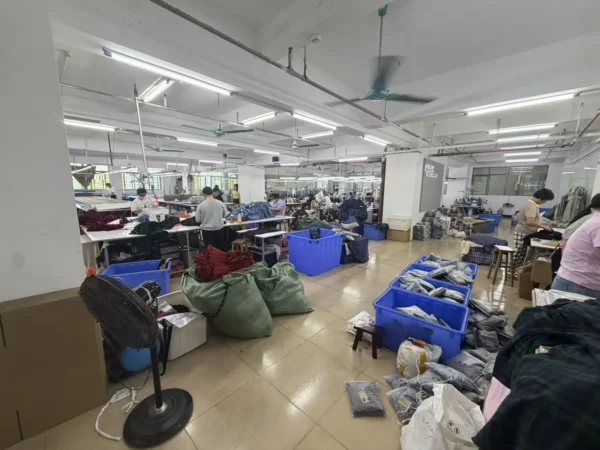
Use a style-specific brief when discussing custom clothing manufacturing services. Identify the proposed fabric, required coverage and quantity breakdown, then ask the factory to confirm the sample work and production feasibility. This guide focuses on chiffon construction decisions, while the broader woven dress manufacturing cost guide covers general cost components.
Identify the actual fabric before developing the dress
Request a physical reference and material specification rather than approving only the word chiffon. Record the composition, available width, weight, color or print reference and intended care method. If a factory proposes alternatives, keep each option identified so its sample and price can be assessed separately.
View the proposed fabric with the intended lining and under agreed lighting. Check the desired transparency of sleeves, neckline panels and skirt sections. An attractive swatch does not settle how several assembled layers will look on the wearer; the actual garment sample must confirm that result.
Map coverage and layers on the technical drawing
Show precisely where lining begins and ends, whether a slip is separate or attached, and which panels remain sheer. Identify the number of skirt layers, their finished lengths and attachment points. Specify whether each ruffle or gathered panel is a separate component.
Ask the factory to price that exact arrangement. A quote for an unlined dress or fewer skirt layers should be presented as an alternative specification. For marketplace listings, also plan how the supplied lining and any separate slip will be described, so the production order matches what the customer is offered.
Approve seams and edge finishes in the production fabric
Request trial seams and hem samples before accepting a finish by name alone. Compare the appearance, flexibility and visibility of the proposed seam on the actual material. Inspect curved areas and layered joins as well as a straight trial seam. Make the accepted finish identifiable in the construction sheet.
Brother’s guidance on sheer fabrics recommends testing seams and hems on the chosen fabric. For a buyer, that translates into requesting evidence of the intended finish, rather than imposing a universal stitch or machine setting. Ask the factory to resolve visible distortion or unwanted bulk before the sample is approved.
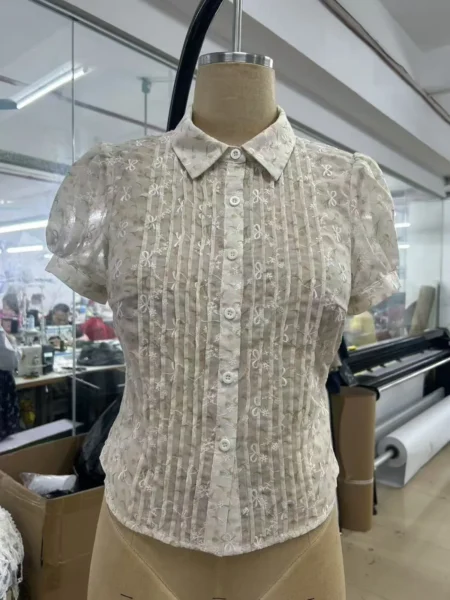
Check fit and movement with all layers in place
Evaluate the garment with its final lining arrangement, intended undergarment coverage and functional closures. Check arm movement, sitting, walking and entry into the dress. Inspect whether the lining restricts the outer layer, a zipper catches nearby material, or the skirt layers pull against one another.
Record sample comments by location and version. Review representative sizes where proportions or coverage may change. Approval should identify which issues have been corrected, not merely state that the overall design looks close to the reference image.
Separate garment MOQ from material commitments
Provide a style, color and size breakdown. Ask for the garment minimum alongside the purchasing conditions for outer fabric, lining, prints and distinctive trims. An available stock color and a separately developed print may involve different commitments; request the actual conditions rather than assuming a standard low MOQ.
If several styles share a fabric, ask whether material purchasing can be combined and which style-level conditions still apply. Compare the preferred quantity with one realistic alternative on the same construction. The relevant decision is the combined inventory and cash commitment, rather than the lowest advertised unit price.
Clarify sample fees and the bulk quotation basis
Ask whether sample fees include pattern development, sourcing, seam trials, fit revisions and a final actual-material sample. Identify any extra charge for print development, additional colors or courier services. Conditions for crediting a sample fee against a bulk order must be stated separately.
| Quote item | Confirmation to request |
|---|---|
| Outer fabric and lining | Material codes, layer count and coverage included |
| Construction | Approved seams, hems, ruffles and closures |
| Sample fee | Development stages, revisions and separate charges |
| Bulk unit price | Specified quantity, currency, finishing and packing scope |
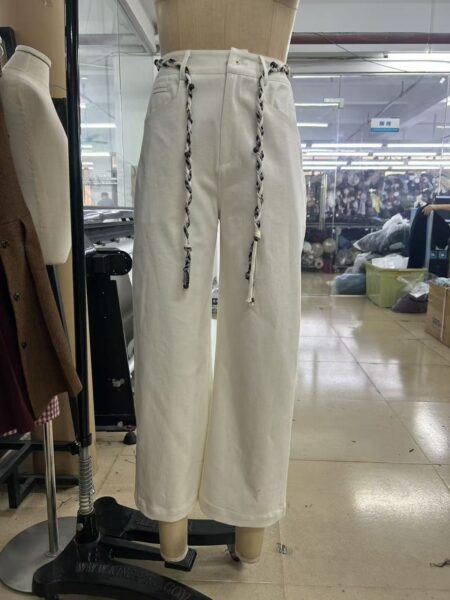
For detailed development-fee questions, consult the private label sample cost guide. Keep one-time development work separate from the recurring bulk price. Ask for a revised quote if the approved fabric, layer count or finishing differs from the original estimate.
Request a chiffon dress production review
Send Mugekoo your design or tech pack, fabric reference, coverage diagram, preferred quantity by color and size, sample requirements and target delivery window. Request a chiffon dress quotation specifying MOQ, sample fees, bulk unit price, included packing and quote validity. Include your target budget and the construction details that must remain. Actual prices, material availability and the production schedule require confirmation for the specific order.