When starting or expanding a fashion business, one of the first decisions is finding the right production partner.
During your search, you may come across terms such as clothing manufacturer, clothing supplier, apparel manufacturer, garment factory, OEM manufacturer, ODM supplier, and private label supplier.
These terms can sometimes be confusing.
A clothing supplier may sell finished garments, source products from factories, or provide manufacturing services. A clothing manufacturer, on the other hand, is directly involved in producing garments.
Understanding the difference can help fashion brands choose the right partner, control costs, communicate more effectively, and build a more reliable supply chain.
In this guide, we explain the key differences between a clothing manufacturer and a clothing supplier, including pricing, customization, MOQ, quality control, production capabilities, and when each option makes sense.
1. What Is a Clothing Manufacturer?
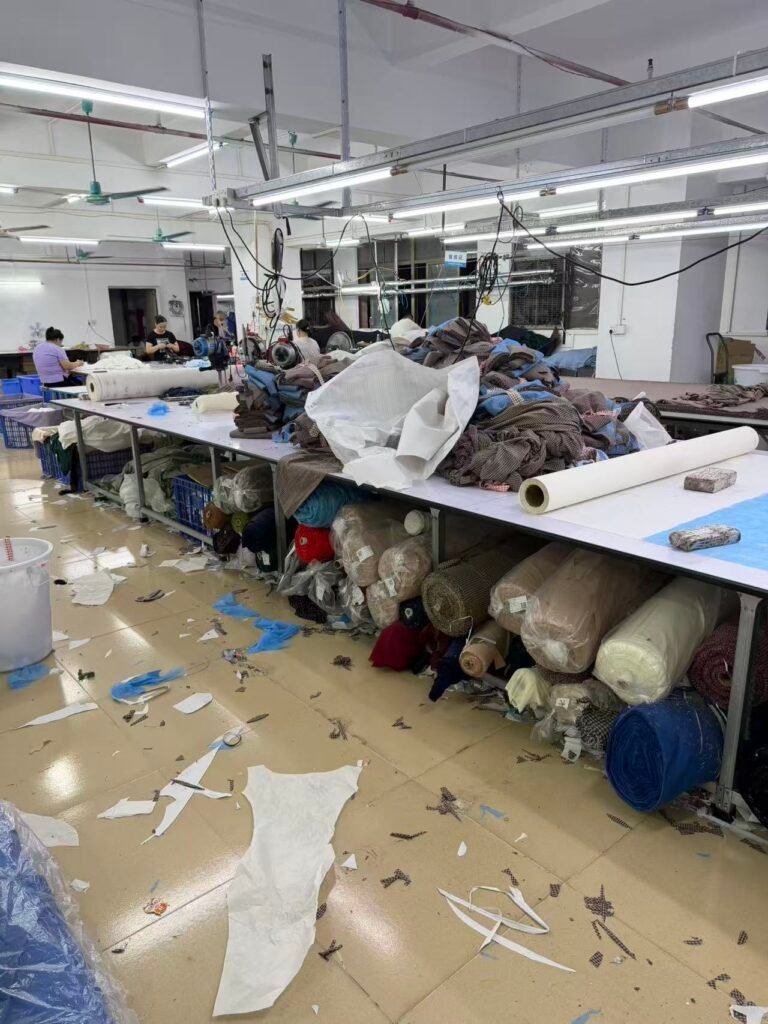
A clothing manufacturer is a company or factory directly involved in producing garments.
A manufacturer may handle some or all stages of apparel production, including:
- Fabric sourcing
- Pattern making
- Sample development
- Cutting
- Sewing
- Printing
- Embroidery
- Washing
- Finishing
- Quality inspection
- Packaging
- Shipping preparation
For example, a fashion brand may provide a design, measurements, technical specifications, fabric requirements, and branding information.
The manufacturer then turns those requirements into finished garments.
This type of relationship is particularly common in OEM clothing manufacturing.
For brands that require custom products, working directly with a manufacturer can provide greater control over product development and production.
2. What Is a Clothing Supplier?
A clothing supplier is a broader term.
A supplier may manufacture products directly, but it can also source products from one or more factories and sell them to customers.
For example, a clothing supplier might provide:
- Ready-made garments
- Wholesale clothing
- Custom apparel
- Private label products
- Stock fabrics
- Accessories
- Finished fashion products
This means that not every clothing supplier is a clothing manufacturer.
Some suppliers operate as intermediaries between brands and factories.
They may handle communication, sourcing, logistics, quality inspection, and order management while another factory performs the actual production.
3. Clothing Manufacturer vs. Clothing Supplier
The simplest way to understand the difference is to look at who actually controls production.
| Factor | Clothing Manufacturer | Clothing Supplier |
|---|---|---|
| Own production facility | Usually | Not always |
| Direct manufacturing | Yes | Sometimes |
| Custom development | Usually strong | Depends |
| OEM production | Common | Possible |
| ODM services | Common | Depends |
| Factory-level communication | Direct | May be indirect |
| Production control | Higher | Depends on supplier |
| Product customization | Usually high | Varies |
| Wholesale products | Possible | Very common |
| MOQ flexibility | Depends on factory | Often varies |
| Quality control | Direct factory control | May be outsourced |
| Pricing structure | Factory-based | May include intermediary margin |
However, the exact business model can vary.
Some companies operate as both manufacturer and supplier, which gives customers access to factory production while still providing sourcing and supply-chain services.
4. Why Does This Difference Matter to Fashion Brands?
Choosing between a manufacturer and supplier is not simply about terminology.
It can affect your:
- Product quality
- Production cost
- MOQ
- Sampling process
- Communication
- Lead time
- Customization
- Quality control
- Inventory planning
- Long-term scalability
For example, if you are purchasing 500 pieces of an existing garment design, a wholesale supplier may be sufficient.
But if you want to develop a completely new collection with custom patterns, fabrics, labels, packaging, and construction details, working directly with a custom clothing manufacturer may be more suitable.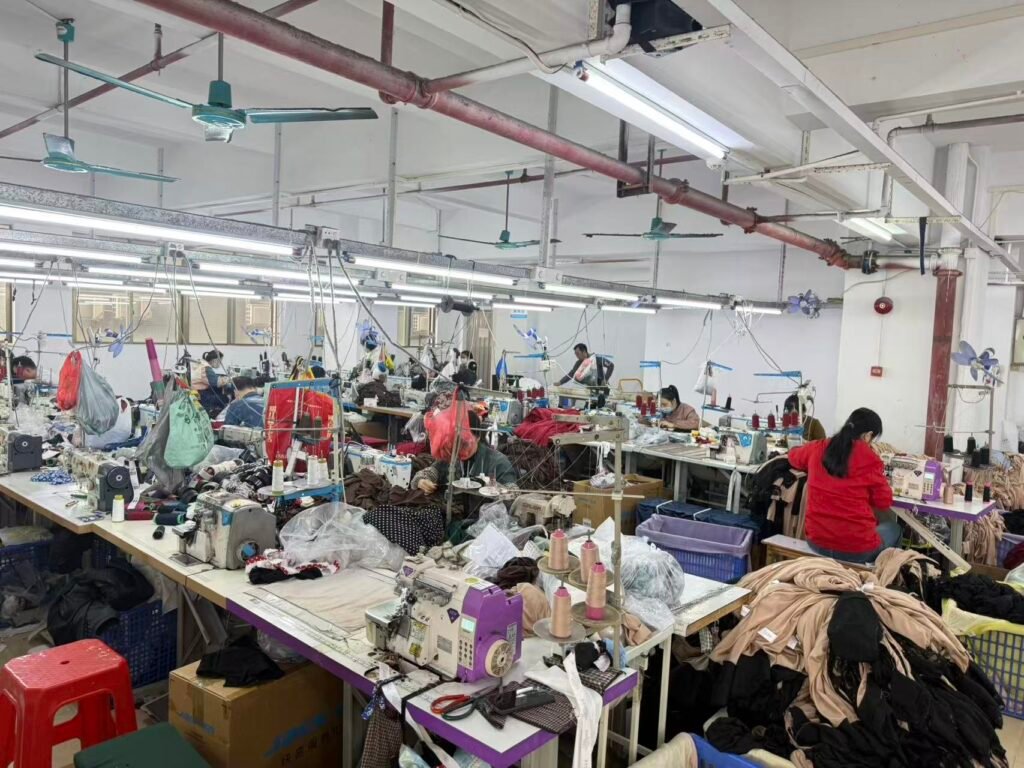
5. When Should You Work Directly With a Clothing Manufacturer?
Direct manufacturing is usually worth considering when your brand needs a high degree of customization.
Custom Product Development
If your garments need unique:
- Patterns
- Silhouettes
- Fabrics
- Colors
- Measurements
- Sewing details
- Washing processes
- Printing
- Embroidery
a manufacturer with product-development capabilities can be valuable.
Private Label Clothing
Brands building their own identity may also benefit from working directly with a manufacturer.
Private label production can include:
- Custom neck labels
- Woven labels
- Hangtags
- Care labels
- Custom packaging
- Branded polybags
- Custom cartons
This allows the final product to be manufactured around the brand rather than simply resold.
Long-Term Production
If you expect repeat orders and increasing production volumes, developing a direct relationship with a manufacturer can also make communication and production planning easier.
6. When Is a Clothing Supplier a Better Option?
A supplier can be a practical choice for businesses that do not require extensive customization.
For example, suppliers can be useful for:
- Wholesale clothing businesses
- Online retailers
- Boutique stores
- Resellers
- Seasonal inventory
- Ready-to-ship products
- Testing new product categories
If your main goal is to purchase existing products quickly, you may not need the complexity of developing products directly with a factory.
A supplier may already have products available and can coordinate sourcing and shipping for you.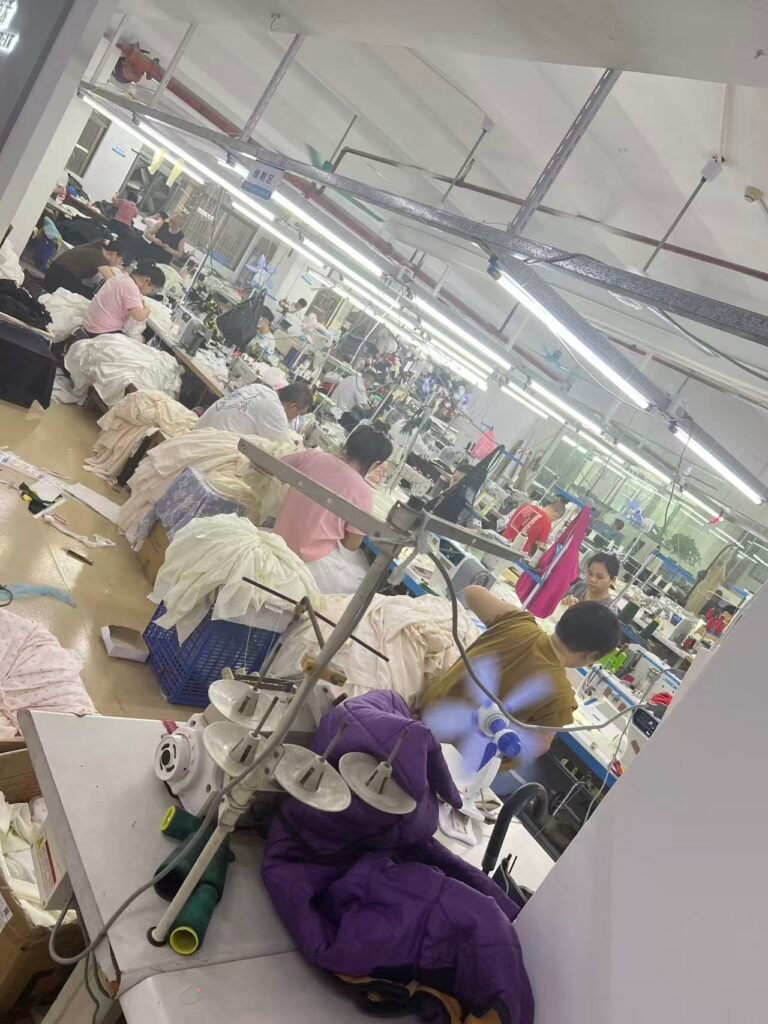
7. What About OEM Clothing Manufacturers?
OEM stands for Original Equipment Manufacturing.
In clothing production, OEM usually means that the buyer provides product specifications and the manufacturer produces garments according to those requirements.
A fashion brand may provide:
- Tech packs
- Measurements
- Design drawings
- Fabric requirements
- Color specifications
- Construction details
- Branding requirements
The manufacturer then develops samples and produces the approved garments.
This makes OEM manufacturing particularly useful for fashion brands that already have their own product concepts.
8. What About ODM Clothing Manufacturers?
ODM stands for Original Design Manufacturing.
The difference is that the manufacturer may provide more product-development support.
Depending on the factory, ODM services can include:
- Product development
- Pattern development
- Fabric recommendations
- Design modifications
- Sample development
- Production recommendations
This can be useful for startups or brands that have a general product concept but do not yet have a complete technical package.
9. Does Working Directly With a Manufacturer Always Mean Lower Prices?
Not necessarily.
This is an important point.
Many buyers assume:
Manufacturer = cheapest price.
That is not always true.
Your final production cost can depend on:
- Fabric selection
- Fabric weight
- Order quantity
- Pattern complexity
- Sewing operations
- Printing
- Embroidery
- Washing
- Packaging
- Quality requirements
- Shipping
- Payment terms
- Production efficiency
A supplier may sometimes offer a competitive price because it purchases large quantities from factories.
Therefore, brands should compare the total production cost, rather than simply asking whether a company calls itself a manufacturer.
10. How Can You Tell Whether a Company Is a Real Manufacturer?
Before placing a large order, ask specific questions.
Ask About Production
Ask:
- Where is your factory located?
- Do you operate your own production facility?
- What products do you specialize in?
- How many production workers do you have?
- What production processes are handled in-house?
- Which processes are outsourced?
Ask About Sampling
Find out whether they can handle:
- Pattern making
- Sample development
- Size grading
- Fabric sourcing
- Fit adjustments
Ask About Quality Control
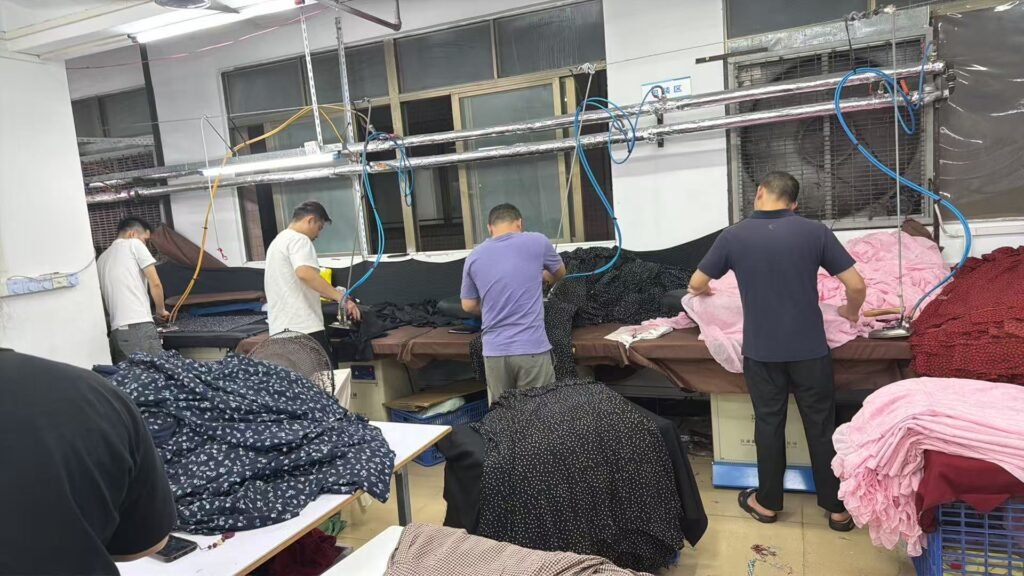
A professional manufacturer should be able to explain how quality is checked during production.
Important checkpoints can include:
Fabric inspection → Cutting → Sewing → Finishing → Final inspection → Packing
This is more useful than simply asking:
“Is your quality good?”
11. Look Beyond the Factory Price
For fashion brands, the cheapest quotation is not necessarily the best quotation.
A low initial price can become expensive if the manufacturer causes:
- Sample problems
- Incorrect measurements
- Fabric inconsistencies
- Production delays
- High defect rates
- Packaging mistakes
- Reproduction costs
- Shipping delays
Instead, evaluate the complete production process.
A reliable partner should help you control both cost and manufacturing risk.
This is particularly important for growing fashion brands because production problems can affect product launches and customer satisfaction. Mugekoo’s existing manufacturing guidance also emphasizes evaluating production capability, quality control, lead times, customization, and communication rather than price alone.
12. What Should Fashion Brands Compare?
Before choosing a clothing manufacturer or supplier, create a comparison sheet.
Consider these factors:
Manufacturing Capability
Can the company actually produce your products?
Product Experience
Does it have experience with your category?
For example:
- Women’s clothing
- Dresses
- Tops
- Shirts
- Knitwear
- Trousers
- Streetwear
- Private label apparel
MOQ
Does the minimum order quantity fit your business?
Sampling
How quickly and accurately can samples be developed?
Customization
Can the company meet your branding and construction requirements?
Quality Control
What happens if production does not meet your approved sample?
Lead Time
How long does the complete production process take?
Communication
Can your team communicate easily with the production partner?
Repeat Orders
Can the factory maintain consistency when you reorder the same product?
13. Manufacturer or Supplier: Which Is Better?
There is no universal answer.
The better choice depends on your business model.
Choose a Clothing Manufacturer If You Need:
- Custom clothing
- OEM production
- ODM development
- Private label apparel
- Custom fabrics
- Custom patterns
- Custom branding
- Long-term production
- Direct factory communication
Choose a Clothing Supplier If You Need:
- Ready-made clothing
- Wholesale products
- Faster product sourcing
- Existing styles
- Smaller product development requirements
- Multiple product categories from different factories
For fashion brands building unique products, however, a direct relationship with an experienced manufacturer can provide greater control over the development and production process.
14. Why Direct Manufacturer Relationships Can Help Growing Brands
As your fashion business grows, manufacturing requirements often become more complex.
Your first order might involve only 300 pieces.
Later, you may need:
- Multiple colors
- Multiple sizes
- New collections
- Different fabrics
- More complex designs
- Larger production quantities
- Faster repeat orders
A manufacturing partner that understands your products can become part of your long-term supply chain.
Instead of treating every order as a new project, both sides can gradually develop a more efficient production system.
15. Final Checklist Before Choosing a Clothing Production Partner
Before placing your first bulk order, ask yourself:
1. Do I need ready-made or custom products?
2. Do I need OEM, ODM, or private label production?
3. Does the company actually control production?
4. Can it produce my specific product category?
5. Can it meet my MOQ requirements?
6. Can it develop accurate samples?
7. Does it have a clear quality-control process?
8. Can it provide custom branding and packaging?
9. Can it meet my production schedule?
10. Can it support repeat orders as my brand grows?
If you can answer these questions before choosing a production partner, you will have a much clearer understanding of which type of company is right for your business.
Conclusion
The difference between a clothing manufacturer and a clothing supplier is mainly about their role in the production and supply chain.
A supplier may source and distribute products, while a manufacturer is directly involved in producing garments. However, some businesses provide both manufacturing and supply-chain services.
For fashion brands that need custom products, OEM manufacturing, ODM development, or private label apparel, working with an experienced clothing manufacturer can provide greater control over product development, quality, customization, and production planning.
The most important thing is not simply whether a company calls itself a “manufacturer” or “supplier.”
The real question is:
Can this production partner consistently turn your product requirements into the quality, quantity, cost, and delivery schedule your brand needs?
That is the standard fashion brands should use when evaluating a manufacturing partner.
FAQ
Is a clothing manufacturer the same as a clothing supplier?
No. A manufacturer directly produces garments, while a supplier may manufacture products or source them from other factories.
Is it cheaper to buy directly from a clothing manufacturer?
Not always. Pricing depends on quantity, materials, construction, customization, production efficiency, and other factors.
What is the difference between OEM and ODM clothing?
OEM generally means producing according to the buyer’s specifications, while ODM usually involves greater manufacturer support with product development and design.
Can a clothing manufacturer provide private label services?
Yes. Many manufacturers can provide private label services such as custom labels, hangtags, packaging, and branded garments.
Should startups work with clothing manufacturers?
Startups can benefit from manufacturers that offer flexible MOQ, sampling, product development, and scalable production solutions.