How to Manage the Clothing Sample Development Process Before Bulk Production
For fashion brands, the transition from a clothing design to bulk production is one of the most important stages in product development.
A design concept may look perfect on paper, but the finished garment can be very different once fabric, construction, measurements, trims, and sewing techniques are applied.
This is why clothing sample development plays such an important role when working with an OEM clothing manufacturer.
A properly managed sample development process allows fashion brands to identify problems before bulk production begins. It can help improve fit, confirm materials, control production costs, and reduce the risk of receiving garments that do not match the original design.
In this guide, we explain how fashion brands can manage the clothing sample development process from the initial specifications to final sample approval.
What Is Clothing Sample Development?
Clothing sample development is the process of turning a garment concept or technical specification into a physical sample.
Depending on the product, the process may involve:
- Pattern development
- Fabric selection
- Color matching
- Trim selection
- Sewing construction
- Printing or embroidery
- Label development
- Sample production
- Fit adjustments
- Quality evaluation
- Final sample approval
The purpose is not simply to create one finished garment.
The sample becomes a physical reference that helps the brand and manufacturer agree on how the final product should look and perform.
For brands working with an OEM clothing manufacturer, this stage is particularly important because production specifications need to be translated accurately into a manufacturable garment.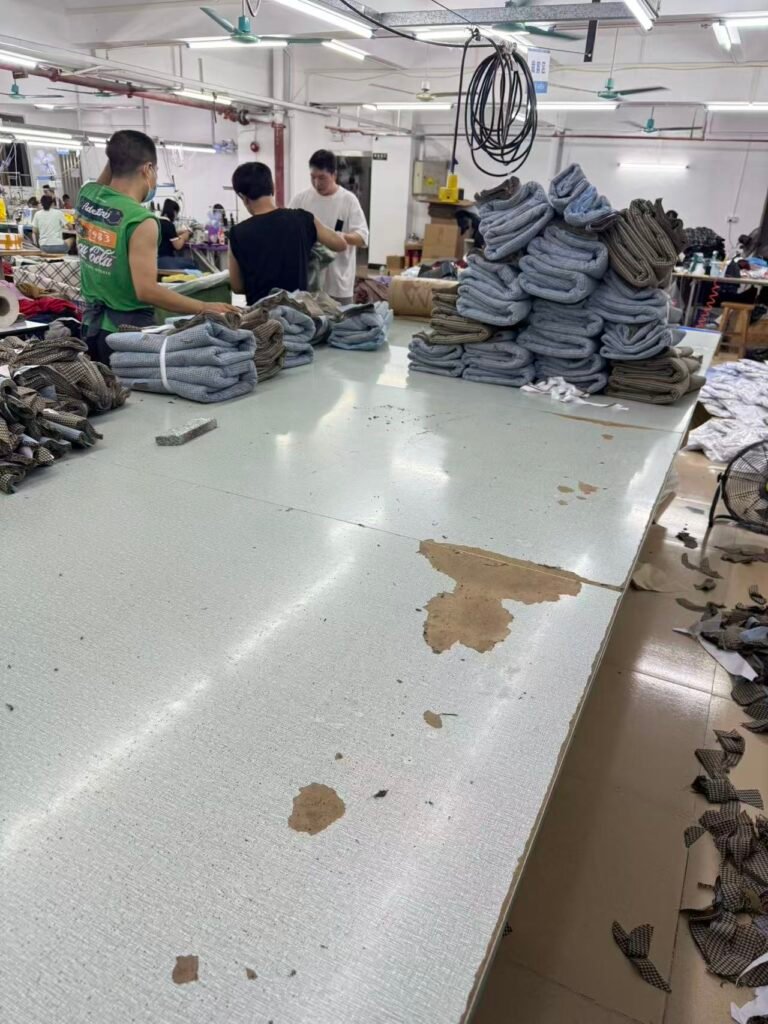
Why Is Sample Development Important?
Many production problems can be identified before bulk manufacturing if the sampling process is properly managed.
A sample allows brands to evaluate several important factors.
1. Fit and Measurements
A garment can have technically correct measurements but still have an unsuitable fit.
During sample review, brands should check:
- Chest width
- Shoulder width
- Body length
- Sleeve length
- Waist measurement
- Hip measurement
- Neck opening
- Armhole construction
- Overall silhouette
Fit problems are much easier and less expensive to correct during sampling than after thousands of garments have been produced.
2. Fabric Performance
The selected fabric can significantly affect the final appearance of a garment.
Brands should evaluate:
- Fabric weight
- Hand feel
- Stretch
- Shrinkage
- Color
- Drape
- Thickness
- Surface appearance
For example, a design created for a lightweight fabric may not produce the same silhouette when manufactured using a heavier material.
The sample stage provides an opportunity to confirm whether the selected fabric is appropriate for the design.
3. Construction Details
Small construction details can have a major impact on the appearance and durability of clothing.
Brands should inspect:
- Seam construction
- Stitch density
- Hem finishing
- Pocket placement
- Collar construction
- Cuff construction
- Zipper installation
- Button placement
- Reinforcement points
These details should be evaluated before approving the product for bulk manufacturing.
The Typical Clothing Sample Development Process
Although the exact workflow can vary depending on the manufacturer and product category, a typical process can include several stages.
Step 1: Submit the Product Information
The brand provides the manufacturer with available product information.
This may include:
- Design sketches
- Tech packs
- Measurement charts
- Fabric requirements
- Color references
- Artwork
- Logo files
- Reference garments
- Photos
- Packaging requirements
The more clearly the product is explained, the easier it is for the manufacturer to understand the requirements.
If you need help preparing technical specifications, see our guide:
How to Create a Clothing Tech Pack for a Manufacturer
Step 2: Manufacturer Reviews the Requirements
Before making a sample, the manufacturer should review the product specifications.
The manufacturer may identify issues involving:
- Fabric availability
- Construction methods
- Measurements
- Production difficulty
- Special techniques
- Trims
- Estimated production costs
This stage is valuable because experienced manufacturers can sometimes identify problems that are not obvious from a design drawing.
Step 3: Pattern Development
Once the product requirements are confirmed, the manufacturer can develop the garment pattern.
The pattern determines important elements such as:
- Garment shape
- Measurements
- Seam positions
- Construction structure
- Fit
Pattern development is particularly important for custom apparel because even small measurement differences can change the final fit.
Step 4: First Sample Production
The manufacturer produces the initial sample.
The first sample is mainly used to identify problems rather than immediately becoming the final production standard.
The brand should carefully review:
- Overall appearance
- Fit
- Measurements
- Fabric
- Colors
- Construction
- Branding
- Printing
- Embroidery
- Accessories
If changes are required, the manufacturer can revise the pattern or construction before producing another sample.
Step 5: Sample Review and Revisions
This is one of the most important stages.
Brands should provide clear and specific feedback instead of simply saying that the sample “doesn’t look right.”
For example:
Instead of:
The sleeve is too big.
A better comment would be:
Reduce sleeve width by 1.5 cm at the bicep and maintain the current sleeve length.
Specific feedback helps the manufacturer make accurate revisions.
Step 6: Revised Sample
After receiving feedback, the manufacturer adjusts the pattern or production details.
A revised sample may be necessary when changes involve:
- Measurements
- Fabric
- Construction
- Color
- Printing
- Embroidery
- Labels
- Trims
Some garments may require several sample rounds before reaching the desired result.
Step 7: Final Sample Approval
Once the brand is satisfied with the product, the final sample should be formally approved.
The approved sample becomes an important reference for bulk production.
The manufacturer can use the approved specifications to maintain consistency throughout the production process.
What Should Fashion Brands Check Before Approving a Sample?
Before giving final approval, brands should use a structured checklist.
Measurements
Compare the sample against the approved measurement chart.
Check important points such as:
- Length
- Width
- Shoulder
- Sleeve
- Chest
- Waist
- Hip
- Neck
- Cuff
Fabric
Confirm:
- Composition
- Weight
- Color
- Hand feel
- Stretch
- Shrinkage
- Surface appearance
Workmanship
Inspect:
- Stitching
- Seams
- Hems
- Loose threads
- Construction
- Symmetry
- Reinforcement
Branding
Check:
- Main labels
- Care labels
- Size labels
- Hangtags
- Logos
- Packaging
Decoration
If the garment includes printing or embroidery, check:
- Position
- Size
- Color
- Detail
- Adhesion
- Stitch quality
A structured inspection reduces the chance of overlooking small problems.
How Many Samples Does a Clothing Brand Need?
There is no universal number of samples required for every clothing project.
Simple products may require fewer development rounds, while complex garments may need several revisions.
The number of samples can depend on:
- Product complexity
- Fit requirements
- Fabric characteristics
- Custom construction
- Decoration
- Brand quality standards
- Manufacturer experience
The goal should not be producing as many samples as possible.
The goal is reaching a production-ready specification before bulk manufacturing begins.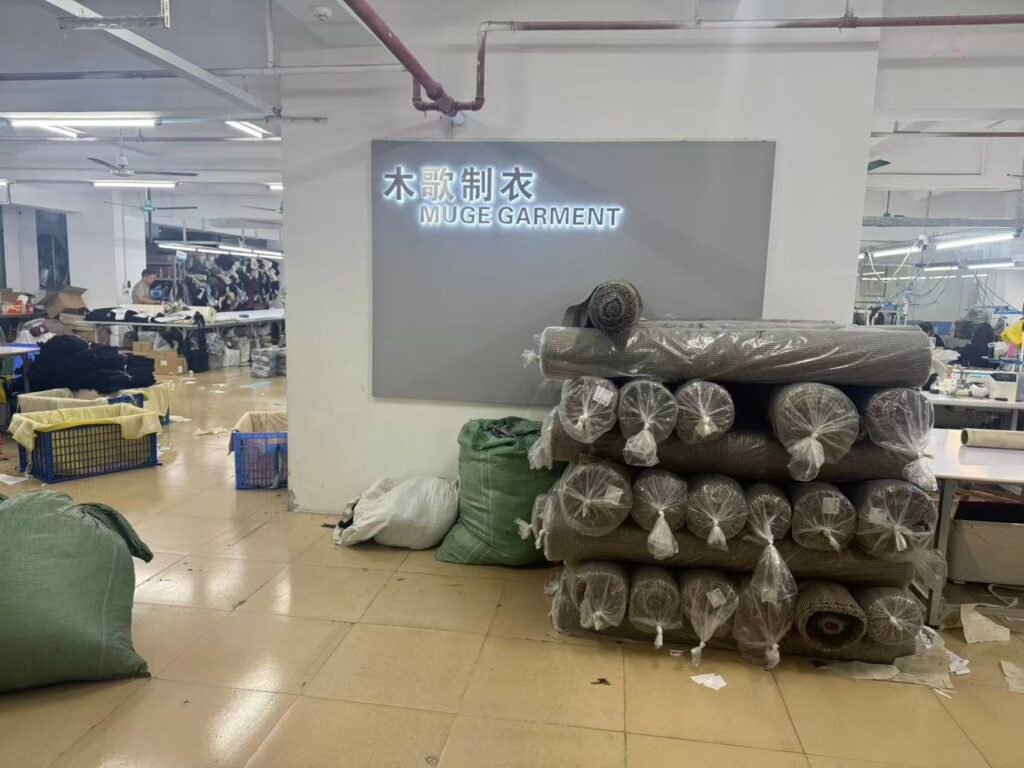
How Sample Development Can Reduce Production Risk
A well-managed sample process can reduce several common manufacturing problems.
Incorrect Measurements
Fit issues can be identified before bulk production.
Material Problems
Unsuitable fabric or trims can be replaced before large quantities are ordered.
Construction Errors
Manufacturing details can be corrected before production begins.
Communication Problems
Physical samples give both sides a clear reference.
Costly Reproduction
Identifying mistakes early can prevent large quantities of defective garments from being produced.
This is one reason professional fashion brands should treat sample development as part of their manufacturing strategy rather than simply an additional production expense.
Common Mistakes During Clothing Sample Development
Choosing the Cheapest Sample Option
The cheapest sample is not necessarily the best option.
Sample development is an investment in the final production result.
Providing Incomplete Information
Missing measurements, unclear fabric requirements, or incomplete artwork can create unnecessary revisions.
Approving a Sample Too Quickly
A sample may look good visually while still having problems with measurements, construction, or durability.
Changing Specifications After Approval
Once the production sample has been approved, major changes can create additional costs and delays.
Brands should carefully review the sample before giving final approval.
Focusing Only on Appearance
A garment should not only look good.
It should also meet requirements for:
- Fit
- Comfort
- Construction
- Durability
- Production consistency
How to Work More Efficiently With Your Clothing Manufacturer
Good communication can significantly improve the sample development process.
Fashion brands should try to provide:
- Clear technical specifications
- Accurate measurement charts
- High-quality artwork
- Fabric references
- Detailed feedback
- Approval records
- Clear revision instructions
It is also useful to maintain one organized version of the final specifications.
This helps prevent outdated information from being accidentally used during production.
From Sample Approval to Bulk Production
After the final sample is approved, the manufacturer can prepare for bulk production.
A typical workflow may look like:
Design Concept → Tech Pack → Manufacturer Review → Pattern Development → First Sample → Sample Review → Revisions → Final Sample → Approval → Bulk Production → Quality Inspection → Shipping
Each stage contributes to the final result.
Skipping the sample development process may appear faster in the beginning, but it can create significantly greater risks during bulk manufacturing.
Why Choose an Experienced OEM Clothing Manufacturer?
An experienced OEM clothing manufacturer can provide more than basic garment production.
Depending on the project, a professional manufacturing partner can support:
- Product development
- Pattern making
- Fabric sourcing
- Sample development
- Custom manufacturing
- Private label production
- Quality control
- Bulk production
- Packaging
- Shipping coordination
For international fashion brands, this type of support can make product development much more efficient.
At Mugekoo, we work with fashion brands and businesses on custom apparel manufacturing, OEM and ODM production, private label clothing, sampling, bulk production, and quality control.
Our goal is to help brands move from product concept to finished garments through a clear and reliable manufacturing process.
Final Checklist Before Bulk Production
Before approving bulk production, make sure you have confirmed:
- Design specifications
- Final measurements
- Fabric
- Colors
- Trims
- Labels
- Printing
- Embroidery
- Packaging
- Approved sample
- Quality requirements
- Production quantity
- Delivery requirements
The more clearly these details are confirmed, the easier it becomes to maintain consistency during bulk production.
Conclusion
Clothing sample development is one of the most important stages between a fashion brand’s initial idea and large-scale production.
A professional sampling process allows brands to test fit, materials, construction, branding, and overall product quality before committing to bulk manufacturing.
Instead of viewing samples as an extra cost, fashion brands should consider them an important quality-control and product-development investment.
With clear specifications, detailed feedback, careful sample approval, and an experienced OEM clothing manufacturer, brands can reduce production risks and create more consistent products.
If you are preparing a new apparel collection, the right manufacturing partner can help turn your product concept into a production-ready garment.