Crepe dress manufacturing should start with an identified material and an approved garment shape. A fabric reference described only as crepe leaves too much unresolved for an accurate factory quote: composition, weight, width, stretch, surface appearance and care requirements still need confirmation. Overseas brands, wholesalers and marketplace sellers sourcing women’s clothing in China should settle those inputs before treating a sample or bulk price as final.
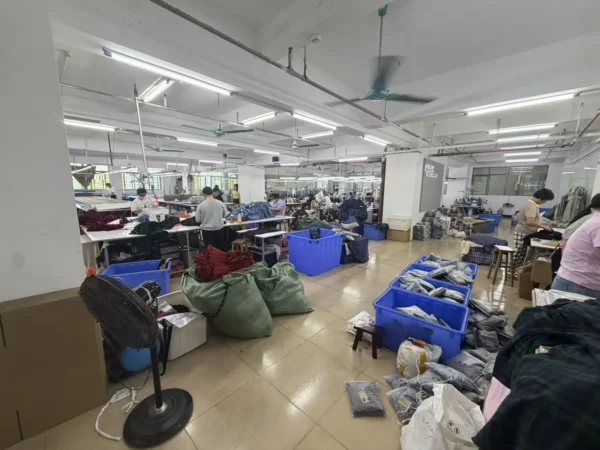
This guide concerns woven crepe dresses. When discussing custom clothing manufacturing services, send a physical material reference or supplier specification alongside the design. Ask the factory to distinguish an initial feasibility estimate from a quotation based on the final approved construction.
Define the crepe reference and acceptable alternatives
Record the material code, composition, weight, usable width, color reference and any required stretch. Identify the intended fabric face and the surface appearance you want to preserve. View a physical swatch rather than approving texture and color from a single screen image.
If the factory proposes a less expensive material, assign it a separate option reference. Review its appearance and garment performance before accepting the price difference. Keep the original and alternative materials visible in the purchasing record so a budget discussion does not silently change the product.
Choose a silhouette the actual material can support
Send front and back drawings showing fit, shaping, length and intended movement. Identify whether the dress is close-fitting, relaxed or deliberately draped. Specify the proposed cutting orientation and let the sample confirm that the fabric produces the intended result.
Review the sample while standing, sitting and walking. Check neckline position, closure access, waist balance and hem appearance with the intended lining. Ask the factory to identify any construction that needs revision before approving the fit. A similar-looking substitute sample is useful for early discussion but should not replace actual-material approval.
Approve seams, support and pressing as a combination
Request trial seams in the proposed production material, especially at darts, shaped joins, zippers and hems. Inspect whether the seam appearance and flexibility match your reference after the agreed pressing process. Keep the accepted trial identifiable instead of approving an unspecified instruction such as “smooth seams.”
Where support material or reinforcement is proposed, ask where it will be applied and review the assembled result. Check for visible outlines, unwanted stiffness and surface changes. Record the accepted construction without prescribing a universal machine setting or pressing temperature for every material sold as crepe.
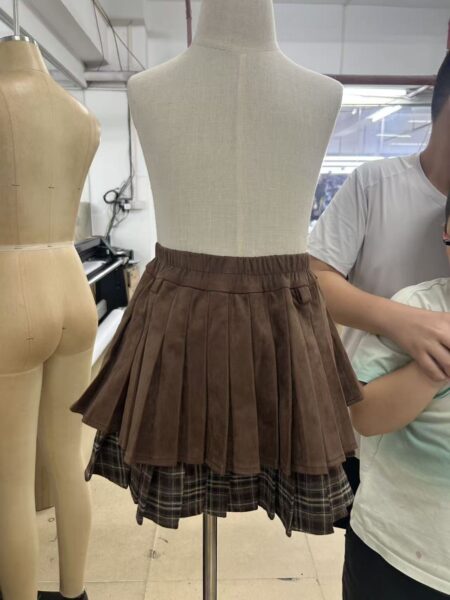
Specify lining, opacity and the intended care
Decide which areas need lining and show its attachment points, finished length and coverage. Evaluate the outer fabric and lining together, including whether they restrict each other’s movement. Check the appearance of seam allowances and internal details under agreed viewing conditions.
Give the supplier the intended care requirements and ask which material or garment checks are needed. If the sample changes after that process, resolve the issue before final approval. Tie the approval to the actual materials rather than assuming that another crepe reference will respond in the same way.
Confirm MOQ against the material and color plan
Provide quantities by style, color and size. Ask for the garment minimum and any separate fabric or trim purchase minimum. An available stock reference and a separately developed color may have different purchasing conditions; ask which one the quotation assumes.
The MOQ planning guide by color and size explains the assortment framework. For this dress, also ask about material availability and the treatment of purchased surplus. Request one realistic alternative quantity on the same specification and compare total cash commitment alongside the bulk unit price.
Separate sample fees from the recurring production price
Ask whether the sample fee includes pattern development, material sourcing, construction trials, fit revisions and final pre-production approval. Confirm charges for extra colors, additional revisions and courier services. Any sample-fee credit against a bulk order needs written qualifying conditions.
Use the private label sample cost guide for development-fee components. For the bulk price, confirm which fabric, lining, trims, sewing, finishing, labels and packaging are included. Identify one-time charges separately and request the currency, quotation validity and delivery term.
| Buyer decision | Approval record | Pricing question |
|---|---|---|
| Material selection | Identified crepe reference and approved color | Was this exact fabric priced? |
| Fit and construction | Final sample revision and internal details | Does the price include all approved operations? |
| Order assortment | Style, color and size quantities | Which garment and material minimums apply? |
| Development | Required sample stages and revisions | Which fees are separate or conditionally credited? |
Request a crepe dress quotation
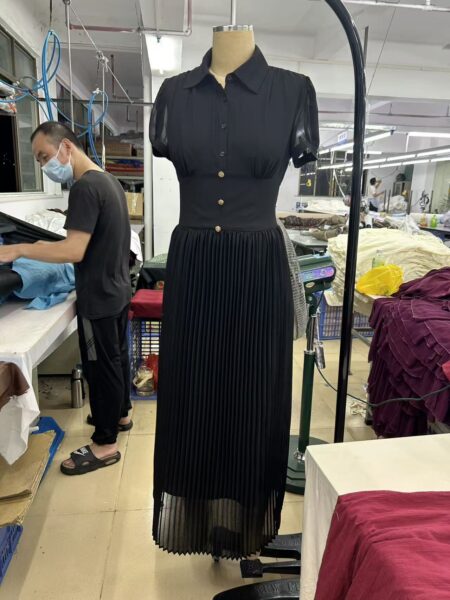
Send Mugekoo your tech pack or detailed design, crepe reference, lining requirements, quantity breakdown and target delivery window. Request a crepe dress production quotation asking for confirmed feasibility, MOQ, sample fees, bulk unit price and included services. State the target budget and the details that must be preserved. Actual prices and production timing require review of the specific material and approved garment scope.