Fabric wrinkle recovery testing helps buyers assess how a material’s appearance recovers after a defined wrinkling exposure. For woven women’s dresses, blouses and matching sets, it can support fabric selection where appearance during wear or after handling is a purchasing concern. The useful result is a documented assessment under specified conditions. It should not be confused with pressing quality, permanent pleat retention or a promise that a garment will never need ironing.
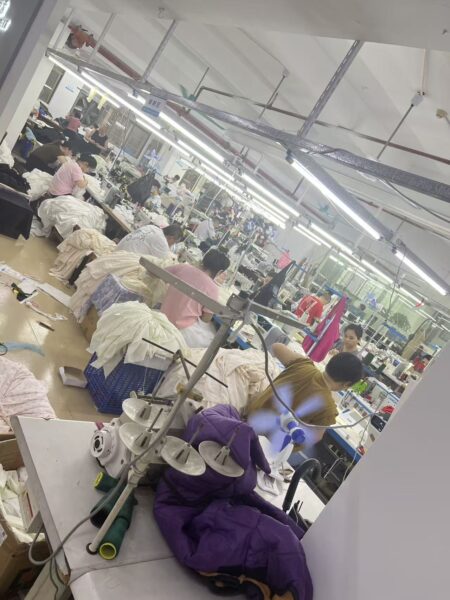
Define the appearance concern before ordering a test
Describe the intended garment and the buyer’s expectations. Identify whether the concern arises from sitting, packing, general handling or another situation. Explain which areas or colorways need evaluation, and whether a natural relaxed appearance is part of the design.
A sharply pressed tailored blouse and a deliberately textured casual dress may have different acceptance expectations. Keep a physical appearance reference where appropriate. The goal is to make the requirement assessable rather than treating every visible crease as a defect without considering the product brief.
Choose the appropriate assessment with the laboratory
The AATCC standards catalogue identifies TM128 as a wrinkle recovery appearance method. The same catalogue lists separate methods for appearance after laundering and for hot pressing. This distinction supports asking the laboratory which assessment answers the buyer’s actual question.
Confirm method applicability, edition, specimen requirements and reporting format before submission. If the buyer specifies a different wrinkle or crease assessment, record it exactly. Do not compare results from different methods as though they describe an identical exposure or use the same grading system.
Submit material that represents the bulk order
Identify fabric code, composition, construction, weight, color, finish and lot. State whether the submission is a development option or actual bulk fabric. Ask whether different colors or finishing lots require separate specimens, especially if their processing differs.
Keep the tested material linked to the fabric sourcing and approval record. An attractive sample after showroom pressing is not a substitute for an identified test specimen. If the proposed material changes after approval, review whether the existing result remains relevant.
Agree the acceptance criteria before testing
Specify the required assessment, acceptable result and any relevant physical reference with the buyer’s technical team. Confirm who interprets borderline findings and who may approve exceptions. There is no universal rating in this guide that establishes suitability for every woven women’s garment.
Keep the criteria attached to the order or material approval sheet. A request for “good wrinkle recovery” leaves the supplier and buyer to apply different expectations. The report should allow the decision to be traced to a stated requirement rather than a preference formed after seeing the result.
Separate material recovery from garment finishing
Review whether an observed appearance issue is in the fabric or results from sewing, pressing or packing. A laboratory material result does not establish that the factory used an acceptable pressing process. Equally, a freshly pressed garment can conceal how the material behaves under the requested exposure.
Use the woven women’s wear finishing standards for production appearance checks. Evaluate drape and tactile effects through the fabric hand-feel approval process. Keep each finding identifiable instead of allowing a favorable result in one area to replace the other approvals.
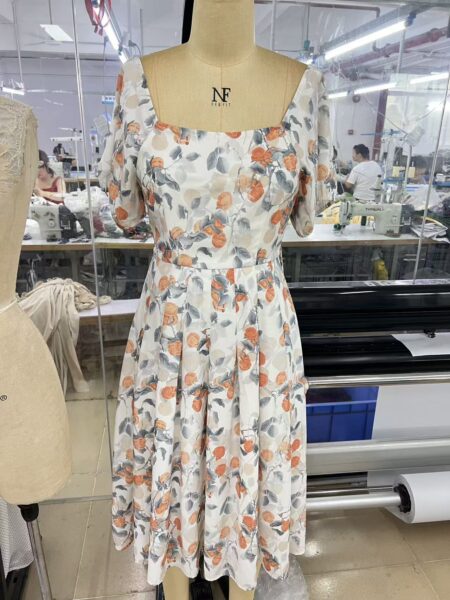
Include care-related requirements where needed
State whether the material must be assessed before care, after an agreed treatment or at both stages. Ask the laboratory to document the preparation and assessment sequence. Where the buyer’s concern is finished appearance after laundering, confirm whether a separate assessment is needed rather than silently changing the wrinkle test.
Review a complete garment when construction or multiple layers influence appearance. Record the treatment and sample identity, then compare with the original approval under agreed viewing conditions. This gives the buying team a clearer basis for deciding whether a proposed finish is suitable for the intended care instructions.
Use the result for a controlled material decision
Check the report’s specimen identity, procedure, conditions and findings using the textile test report review checklist. If a result is unsuitable, discuss a material or finishing alternative and request the relevant new approval. Review any effects on color, feel, cost and other required properties.
For a women’s clothing project with Mugekoo, provide fabric references, garment drawings, quantities and the appearance requirements that matter to your retail program. Ask the factory to confirm the sampling and testing plan. A documented wrinkle recovery assessment supports procurement; it should not be turned into an unsupported wrinkle-free marketing claim.