Fabric roll length verification checks whether incoming woven material quantities agree with the supplier’s delivery records and the buyer’s purchasing basis. For women’s clothing production, a shortage can affect cutting availability even when the fabric quality is acceptable. A useful receipt record separates declared length, measured length and usable material decisions. This guide focuses on incoming quantity verification before cutting, rather than accounting for leftover fabric after production.
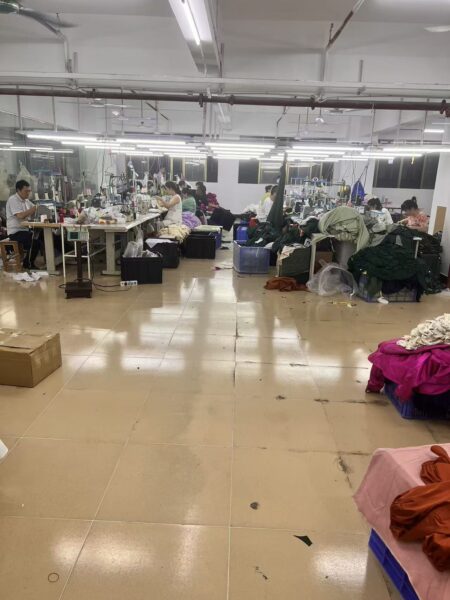
Identify the purchasing and measuring units
Confirm whether the order, invoice and delivery note use metres, yards or another agreed unit. Keep conversions explicit and consistent. Record the material code, color, lot and supplier roll number alongside every quantity; a total shipment length without roll identification is difficult to investigate.
Clarify whether the commercial quantity is based on physical length or a separately defined usable quantity. Do not infer fabric length from gross roll mass alone. Core weight, packaging, fabric width and material mass per area introduce additional assumptions that a direct length record avoids.
Choose an agreed measurement procedure
ASTM D3773/D3773M describes options for measuring the length of full rolls or bolts of woven fabric. Ask the qualified inspection team to confirm the appropriate procedure, apparatus and conditions for the supplied material.
Agree how the equipment is checked and how a disputed result will be verified. Keep the chosen procedure and units in the receipt record. A supplier label and a machine reading may differ for reasons that require investigation; neither should be accepted automatically without understanding the measurement basis.
Decide which rolls will be verified
Record whether all rolls or a defined selection will be measured. Identify who selects the rolls and what findings trigger wider checking. A sample inspection can support a stated decision, but its results should not be presented as direct measurements of unexamined rolls.
Compare the selected roll numbers with the delivery note before opening or issuing them. Incorporate the process into incoming fabric inspection so quantity and quality findings remain connected. Keep deliveries with unresolved identification or quantity discrepancies under an agreed hold status.
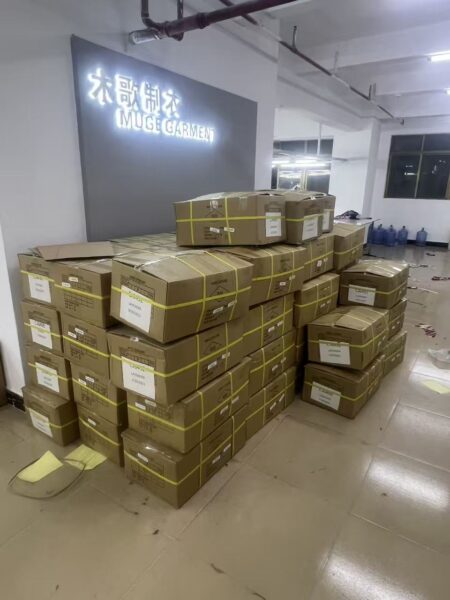
Separate measured length from usable deductions
Record measured length before applying any commercial or cutting deductions. Log damaged areas, sample removals, joins and other relevant interruptions separately. Clarify how the buyer and supplier have agreed to treat them; not every physical defect corresponds to a simple equivalent length deduction.
Usable width is another independent input. Follow the usable fabric width guide for that check. A roll with the expected length can still yield fewer garments if the usable width differs from the approved marker basis.
Prepare a roll-by-roll reconciliation
A practical worksheet includes supplier roll number, declared length, measured length, difference, material lot, inspection status and comments. Summarize those fields by color and lot as well as for the shipment. Retain the delivery reference and measurement date so the record can be traced.
As a hypothetical example, a roll labelled 80 metres and measured at 78.6 metres has a recorded difference of 1.4 metres before any separate deductions. This arithmetic does not establish whether the delivery is contractually acceptable. Compare the evidence with the actual order terms and agreed tolerance.
Resolve differences before calculating cutting availability
Verify the roll identity, units, procedure and record entries first. Where needed, request a jointly agreed remeasurement and retain the observations. Discuss the supplier’s proposed response, such as replacement quantity or another documented commercial resolution, through the purchasing team.
Update available material only after the decision is recorded. Review the impact on the fabric consumption and cutting plan. Avoid authorizing the full planned quantity when the material balance remains unresolved, particularly when additional fabric must match the existing color lot.
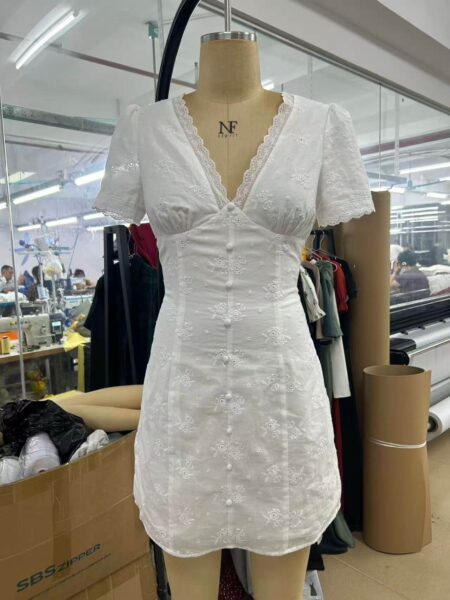
Keep quantity records connected through production
Carry incoming roll identification into material issue and cutting records. Document sample removals and authorized transfers between styles. A clear receipt baseline makes later reconciliation more useful because the team knows which quantities actually entered production.
For a women’s wear order with Mugekoo, provide the planned quantities, fabric sourcing arrangement and incoming verification requirements. Coordinate roll records using the material traceability guide. Agree responsibility for measurement, evidence review and material release before delivery, especially where the buyer supplies fabric or nominates the supplier.