Garment packaging moisture control starts before a finished dress enters a polybag. An overseas buyer needs the factory to consider the condition of garments, packaging materials and storage areas together. A dry-looking carton is not proof that the garments inside were ready to pack.
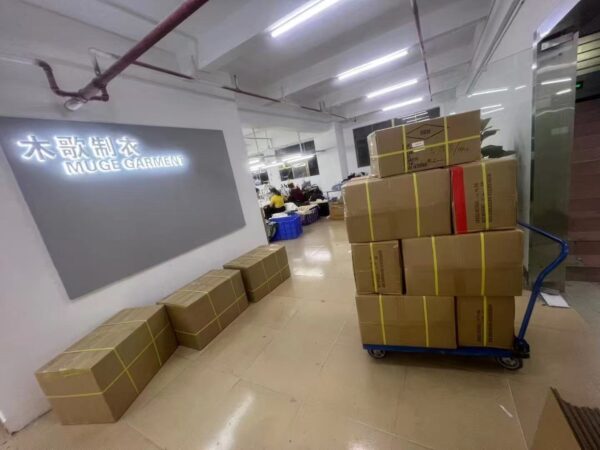
This guide helps private label clothing buyers agree practical checks between finishing and shipment. The aim is to identify moisture concerns early and establish a clear hold-and-review process, rather than relying on a packing accessory to correct an unresolved problem.
Map where moisture can enter the packing process
Review wet processing, steaming, pressing, temporary storage and movement into the packing area. Ask how the factory determines that garments are ready to pack after finishing. The answer should describe a repeatable procedure suited to the product, not simply a universal waiting time applied to every fabric.
Also review incoming cartons, tissue and other packaging materials. Goods stored near damp walls, water leaks or exposed loading areas may need attention even when the sewing operations are complete. Keep records of unusual conditions and the stock potentially affected.
The finishing and packing approval should identify the handover point at which the garment is accepted for packing.
Define a documented check rather than an arbitrary limit
Agree with the factory and relevant technical provider what will be assessed, which equipment or method will be used and how the results will be interpreted. Different materials and measurement methods should not be treated as interchangeable. Record the garment type, batch, checking location and time alongside any measurement.
Do not copy a generic moisture percentage from another product and call it a universal pass limit. If a buyer requires a numerical threshold, specify the method and material context with it. Ambient conditions and garment measurements answer different questions and should be recorded separately.
Intertek’s textile testing guidance identifies damp clothing as a condition in which mold or mildew can develop. A factory photograph cannot establish that a batch is free from that risk; approval needs appropriate product and process evidence.
Approve the complete packaging arrangement
Review the garment, individual bag, inserts and outer carton as a system. Confirm that packing materials are clean, dry and suitable for the agreed use. Check that any moisture-control accessory is appropriate for the product and has supplier instructions covering selection, placement and handling.
Adding desiccant does not make damp goods ready for shipment. Ask the packaging or logistics specialist to assess the intended storage and transit conditions before choosing an accessory or quantity. Avoid unapproved chemical treatments or unsupported claims that a packing method guarantees protection.
Keep the arrangement consistent with the buyer’s polybag requirements, including the agreed bag design and required product information.
Keep packed goods identifiable and protected
| Stage | Record or action |
|---|---|
| After finishing | Document the agreed readiness check before bagging |
| Packing material receipt | Identify damp, damaged or unsuitable materials |
| Carton storage | Separate released stock from held or suspect stock |
| Loading preparation | Review visible water exposure and container or vehicle condition |
| Release | Record who accepted the evidence and authorized dispatch |
Use carton and batch identities that allow the buyer to trace affected goods. If a leak or damp area is discovered, the factory should be able to identify which cartons were exposed and when. A general statement that the warehouse was checked does not resolve the condition of a specific lot.
Set a hold process for suspect goods
If staff find visible moisture, unusual odor, staining or another concern, hold the affected stock and record the observation. Request an investigation and an appropriate technical assessment. Do not approve simple repacking as a complete remedy without establishing the condition of the garments themselves.
Any corrective action should include a defined recheck and documented release decision. The garment reinspection workflow can help organize evidence when a shipment has been held for a quality issue. The exact assessment must match the concern.
Questions to settle before production
Ask who owns the checks after finishing, who approves packaging materials, how warehouse exceptions are reported and what evidence is needed to release held cartons. Share the expected storage period and shipment plan so the factory and logistics provider can review the actual conditions.
When approaching Mugekoo, include your packaging instructions and delivery plan. A written moisture-control procedure gives the production and packing teams a specific responsibility to follow before goods leave the factory.