Sourcing clothing factories in China for a women’s wear collection takes more than comparing quotations. You need to know whether a supplier can handle your fabrics, construction details and order quantities consistently. Start with one representative style, review the sample carefully, and confirm how the factory will manage production before committing to a bulk order.
Show the order behind the total number
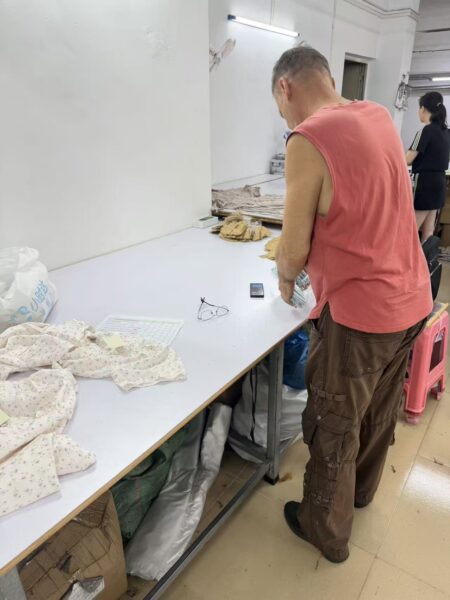
Tell the factory how many styles you want, then show pieces by color and size. A single style in one color and several styles spread across several colors are different buying briefs, even if the total piece count is the same.
Mark the quantity you prefer and any alternative you could genuinely sell. Ask the supplier to identify the garment minimum and the separate material or trim commitments. Do not increase a slow-selling color merely to make the total look more attractive.
For the initial enquiry, use the women’s clothing manufacturing RFQ guide to keep the specification and assortment clear.
Ask which choices make the order feasible
Existing material may be an option, but ask about the exact reference, available color and usable quantity. Find out whether enough can be secured for the order and whether the same material is expected to be available for a repeat run.
If a supplier proposes another fabric, compare it in the garment before accepting it. A lower minimum is only useful when the resulting product still fits the collection. Keep an alternative material, simpler construction or different color plan as a separate proposal so the choice remains visible.
Give the sample a specific job
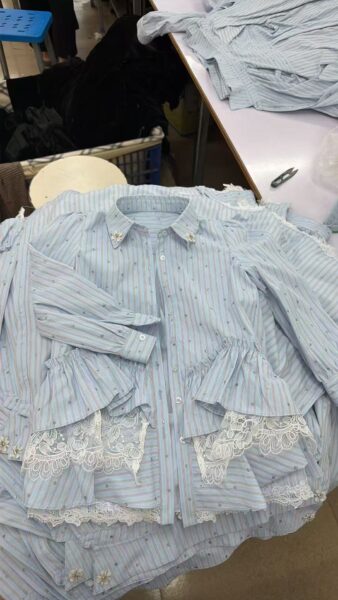
For a new woven style, the first sample might need to resolve fit and entry into the garment. A later sample may need to confirm the actual fabric, lining and closure. Agree those purposes rather than asking for an unspecified “final sample.”
Request the sample fee, included revisions, material basis and delivery charges. If you provide a pattern, explain its approval status and ask what checking or adaptation the factory needs to do. The private label sample cost guide explains the work that can sit behind the development fee.
Ask separately about any sample-fee credit against production. Record the qualifying quantity and eligible amount; do not assume that placing a small order makes all development work refundable.
Compare the full commitment
Put the garment unit price beside the total order amount and any separate material purchase. Identify labels, packing, testing or other services that are outside the unit price. Keep the currency and delivery term consistent across quotations.
If the factory offers a larger quantity at a different unit price, compare the extra cash and stock required. A smaller first order may be appropriate for uncertain demand; a larger run may suit a proven style. The decision depends on the buying plan, not the lowest unit price alone.
Keep the approved small order repeatable
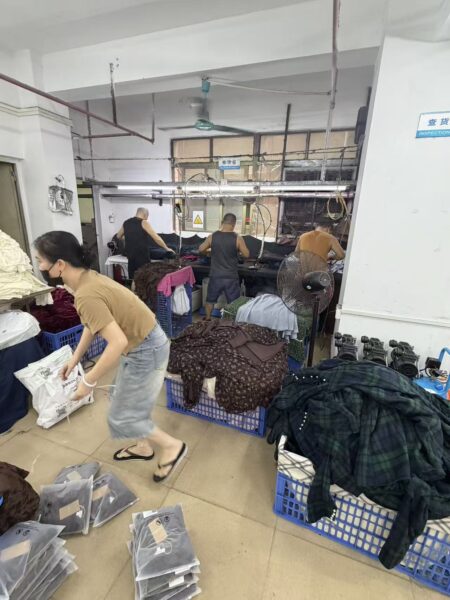
Before production, confirm the sample revision, material reference, size breakdown and inspection requirements. Ask what will be retained for a reorder and what would have to be sourced again.
Also agree the conditions behind the proposed schedule: buyer approvals, material readiness and any production reservation. Avoid setting a customer-facing launch promise from an early estimate that still depends on unresolved inputs.
Mugekoo can review a proposed women’s wear brief through its custom clothing manufacturing service. Send the design, material preference, pieces by color and size, and target delivery window. Ask on WhatsApp for the actual MOQ and a scoped quotation, including sample fees, bulk unit price and any separate material commitment. Feasibility and commercial terms need confirmation for the particular style.