For overseas fashion brands, wholesalers and retailers, choosing a women’s clothing manufacturer in China is a purchasing decision with long-term consequences. Price matters, but the lowest quotation does not guarantee stable fit, fabric consistency, delivery performance or repeat-order reliability.
This supplier qualification checklist focuses on the evidence buyers should collect before moving from inquiry to sampling and bulk production.
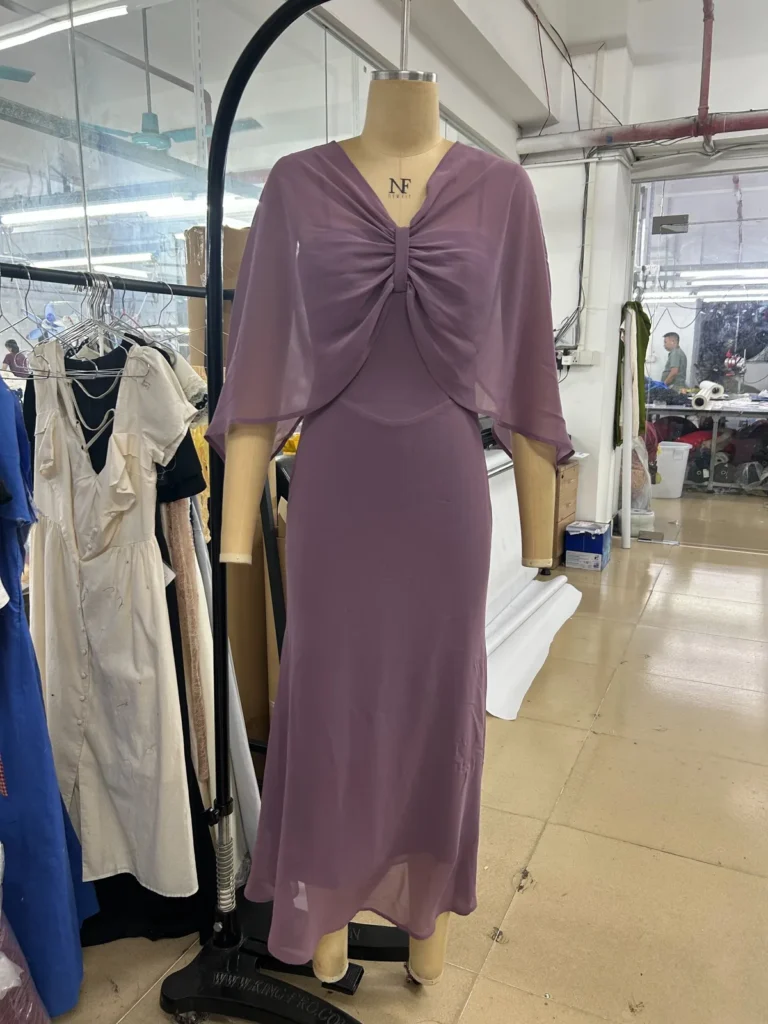
1. Confirm the Factory Fits Your Product Category
Women’s wear covers very different manufacturing systems. A factory experienced in woven dresses, blouses and trousers may use different pattern, pressing and finishing processes from a supplier focused on activewear or knitted basics. Buyers should ask for recent production examples that match their intended category, construction level and price positioning.
If your collection is primarily women’s fashion, compare the factory against the criteria in our women’s clothing manufacturer in China guide.
2. Verify Sampling Capability Before Discussing Bulk Capacity
A reliable factory should be able to convert your tech pack, reference sample or design brief into a controlled development process. Ask who handles patterns, how sample comments are tracked, how many revisions are normal and whether the approved sample is retained as a bulk reference.
Strong sampling reduces the risk of approving a production order that is not technically ready.
3. Check Fabric and Trim Sourcing Control
For women’s apparel, fabric often determines both quality and commercial success. Buyers should confirm composition, GSM or weight, color standard, shrinkage, hand feel, stretch, opacity and finishing requirements before bulk cutting.
Factories should also be able to explain whether materials are stock, custom dyed or made to order. For more detail, see our fabric sourcing guide for clothing manufacturing.
4. Review Production Capacity by Order Type
Do not ask only for a monthly capacity number. Ask how many styles the factory can manage at once, how capacity is reserved, what happens during peak season and how repeat orders are prioritized. A factory that is suitable for 300 pieces across several women’s styles may be very different from one optimized for 20,000 pieces of a single style.
5. Evaluate Quality Control at Three Stages
Buyers should expect controls for incoming materials, inline production and final inspection. Important checkpoints include measurements, seam appearance, construction, color consistency, labels, stains, pressing, loose threads and packaging.
Use our garment quality control checklist to compare how suppliers prevent defects instead of only sorting them after production.
6. Ask How the Factory Manages Woven Women’s Wear
Woven women’s garments often require tighter control of cutting accuracy, seam allowance, darts, zippers, lining, pressing and silhouette. If your assortment includes dresses or woven separates, ask to see how patterns, cutting bundles and in-line measurements are controlled.
For dress-specific sourcing, our woven dress manufacturer guide explains what buyers should approve before bulk production.
7. Check Communication Ownership
Clarify who will manage quotations, sample comments, fabric approvals, purchase orders, production updates and shipment documents. A defined merchandiser or account contact reduces errors when several styles are moving at the same time.
8. Confirm MOQ Structure, Not Just One MOQ Number
MOQ can be affected by fabric, color, print, trim and size assortment. Buyers should ask whether MOQ is calculated per style, per color or per fabric. This matters especially for boutiques and retailers testing a new women’s collection.
9. Review Repeat-Order Readiness
A good first order is useful; a repeatable production system is more valuable. Ask how the factory stores patterns, approved samples, measurement specifications, fabric references and label information for future reorders.
10. Use a Supplier Scorecard Before Paying a Deposit
Compare shortlisted factories across product specialization, sample accuracy, material sourcing, capacity, quality control, communication, MOQ, lead time and repeat-order systems. This keeps the sourcing decision based on evidence rather than only quotation price.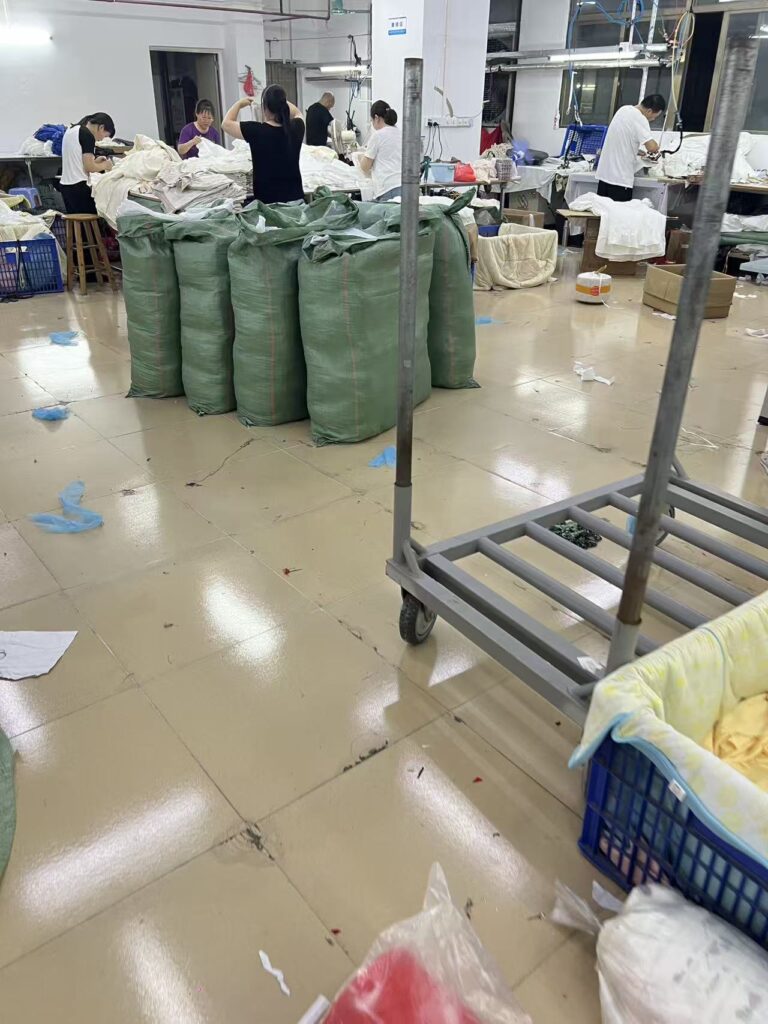
Conclusion
A qualified women’s clothing manufacturer in China should be able to show how it controls product development, materials, production and quality from first sample to repeat order. For overseas buyers, transparent systems are often a better indicator of reliability than a low initial price.
If you are sourcing women’s apparel and want to discuss your tech pack, target quantity or woven styles, contact the factory team with your requirements.