Sourcing a woven dress is different from ordering a basic knit top. Woven fabrics normally have limited stretch, so small errors in pattern balance, seam construction or fabric performance can create visible fit problems. A capable woven dress manufacturer must coordinate fabric sourcing, pattern development, sampling, cutting, sewing, pressing and measurement control as one system.
This guide is written for overseas fashion brands, wholesalers and retailers preparing a woven dress collection. It explains the specifications and approvals buyers should control before bulk production—not just how to find the lowest unit price.
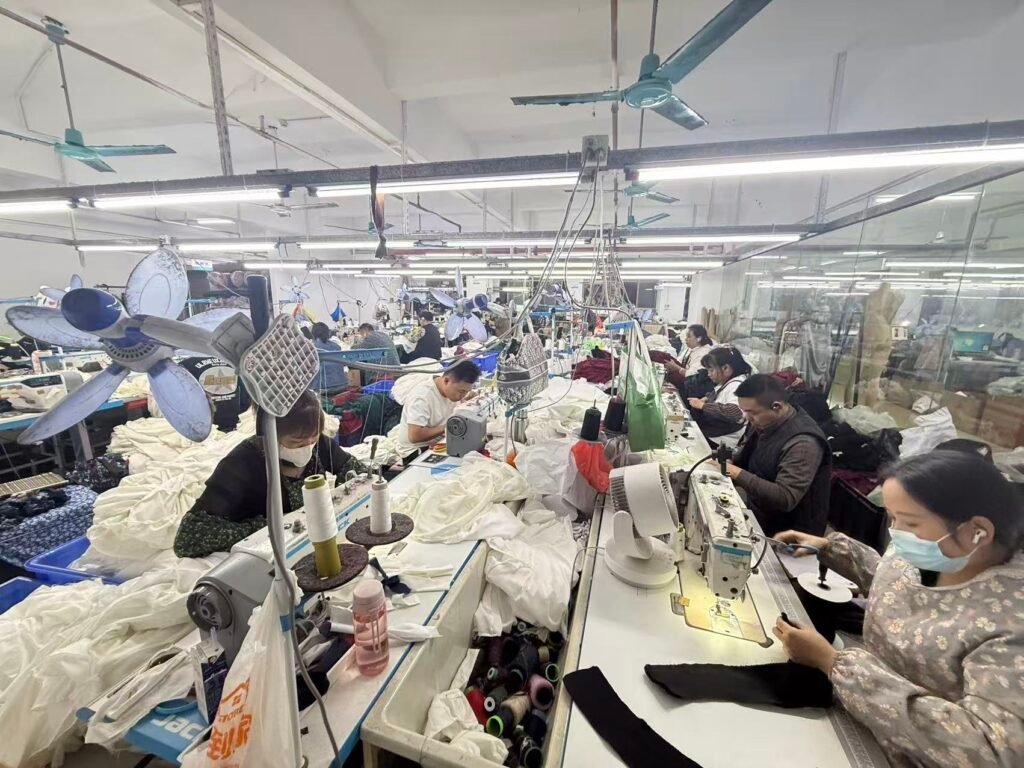
What counts as a woven dress?
A woven dress is made from fabric formed by interlacing warp and weft yarns. Common choices include cotton poplin, linen blends, rayon challis, viscose twill, satin, chiffon, crepe and woven polyester. Unlike most knitted fabrics, woven materials usually have less natural stretch unless elastane is added.
The category includes shirt dresses, wrap dresses, slip dresses, tiered dresses, structured mini dresses, lined occasion dresses and many other silhouettes. Each has different risks. A slippery satin may shift during cutting; chiffon may pucker at seams; linen may shrink and wrinkle; a fitted non-stretch dress requires particularly accurate grading and ease.
1. Give the factory a construction-ready tech pack
A design sketch shows the appearance of a dress but does not define how to manufacture it. The tech pack should identify the neckline, closure, seam types, lining, facing, interfacing, hem, pockets, gathers, pleats, darts and reinforcement points. Front and back technical drawings should match the written construction notes.
Include a bill of materials and label every component. For example, “invisible zipper” is incomplete without length, color, tape type and placement. Specify whether a neckline uses self-fabric binding, a facing or full lining. If a seam must be French-seamed because the fabric is sheer, state that before the factory prepares the quotation.
When selecting suppliers, compare their dress-specific development experience as part of a broader women’s clothing manufacturer in China evaluation.
2. Define fabric performance, not only composition
Two fabrics with the same fiber content can behave very differently. A woven dress specification should include construction, weight, width, finish, opacity, hand feel, drape and stretch. Buyers should also confirm shrinkage, colorfastness and whether the material is prone to skew, seam slippage or snagging.
Ask the manufacturer to submit a physical swatch or approved fabric cutting before making the fit sample. Digital photographs are useful for color discussion but cannot confirm weight, texture, opacity or recovery. For printed fabric, approve print scale, repeat, registration and color standard.
If the factory will source materials, make clear which properties are mandatory and where alternatives are allowed. The guide to fabric sourcing for clothing manufacturing explains how buyers can document material approvals and avoid silent substitutions.
3. Control ease and fit for a non-stretch garment
Finished garment measurements are not the same as body measurements. The difference is garment ease. A fitted woven dress needs enough ease for breathing, sitting and movement while maintaining the intended silhouette. A relaxed dress may use more design ease, but shoulder position, armhole shape and neckline stability still matter.
Define the target wearer and base size. During the fit review, check:
- shoulder and neckline position;
- bust, waist and hip ease;
- armhole comfort and sleeve movement;
- waist-seam placement;
- side-seam and center-back balance;
- hem level while standing and moving;
- closure function without pulling or gaping.
Once the base fit is approved, review how the pattern changes across the size range. The buyer’s guide to custom women’s clothing size grading covers grade rules, size sets and measurement tolerances in more detail.
4. Approve lining, interfacing and internal construction
Internal materials affect appearance, comfort and cost. A lining may improve opacity and wearing comfort, but it also changes drape and requires additional sewing. Interfacing can stabilize collars, button areas, waistbands and zipper openings; the wrong weight may make the garment stiff or create visible bubbling.
Ask the factory to identify the lining and interfacing in the bill of materials rather than treating them as generic components. Confirm whether the lining is full or partial, attached or free-hanging, and how it is secured at hems, vents and armholes.
5. Test risky seams and details before approving the sample
Woven dresses often combine design details that need special handling: gathered seams, bias-cut panels, narrow hems, rouleau straps, concealed zippers, lace insertion, smocking or print matching. The manufacturer should test the proposed stitch, thread and seam construction on the actual fabric.
Review seam puckering, needle damage, feed marks and seam slippage. On lightweight fabric, excessive thread tension or an unsuitable needle can leave permanent marks. On loosely woven material, a seam may appear acceptable initially but separate under wear.
6. Confirm grain line, nap and print direction
Pattern pieces must be placed according to the approved grain line. Incorrect placement can cause a skirt to twist, a bodice to hang unevenly or bias areas to stretch. Fabrics with nap, shine or one-way prints require consistent cutting direction, which may increase material consumption.
For stripes, checks and placement prints, state which seams or design points must match. Do not assume the factory will match every seam: exact matching affects marker efficiency and cost, so priorities should be agreed during quotation and sampling.
7. Approve the pre-production sample against bulk materials
The pre-production sample should represent the approved fabric, trims, construction, measurements, labels and finishing method intended for bulk. If the factory uses substitute material in an early sample, note which conclusions remain provisional.
Review both the sample and its supporting documents. Confirm the pattern version, measurement chart, construction comments, approved color, wash result and packing method. Use a signed or dated approval record. The pre-production sample checklist provides a structured list of items to lock before bulk cutting.
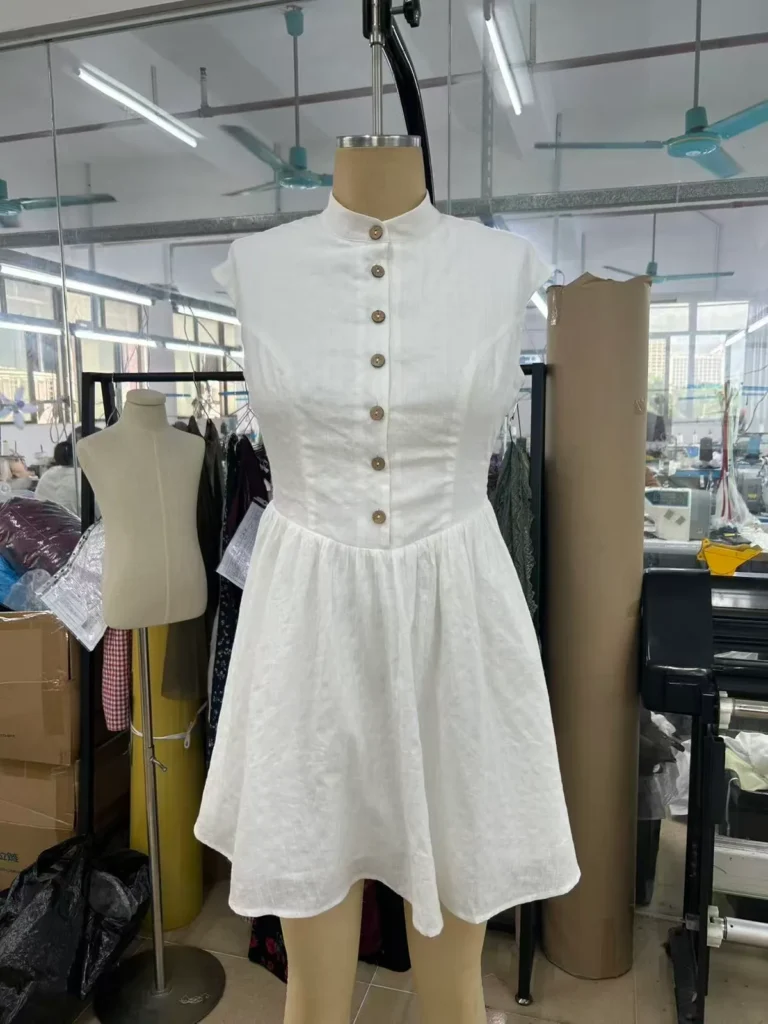
8. Plan cutting controls for woven fabrics
Before cutting, the factory should inspect and relax the bulk fabric according to its behavior. Shade rolls may need to be separated to prevent visible color variation within one garment. The spreading team should control face direction, tension, ply alignment and marker placement.
For unstable or slippery fabrics, the factory may reduce lay height or use additional controls. Critical dress panels should be checked against the approved pattern before the full order is cut. A cutting error affects every downstream operation, so early verification is more effective than relying on final inspection.
9. Build quality control around dress-specific risks
A general inspection checklist is not enough. Add checkpoints for the actual style and fabric. Typical woven dress checks include:
- neckline symmetry and stability;
- zipper position and smooth operation;
- matched waist seams and panel seams;
- correct gathering or pleat distribution;
- lining length and attachment;
- hem level and stitch appearance;
- measurement results within tolerance;
- pressing marks, shine, stains and needle damage.
Measure first output from the sewing line before the order is substantially completed. If the results trend toward the tolerance limit, correct the process early. Final inspection should confirm workmanship, measurements, labels, packing and assortment.
10. Compare quotations using the same assumptions
A woven dress price depends on fabric consumption, construction time, lining, trims, print matching, testing, quantity and packing. Ask each shortlisted manufacturer to quote the same specification and quantity breakdown. Confirm whether sample fees, labels, packaging and inspection support are included.
A lower quote is not automatically more competitive if it excludes lining, uses a different fabric assumption or omits required matching and testing. Ask the supplier to list exclusions and provisional items in writing.
Woven dress production approval checklist
| Stage | Buyer approval |
|---|---|
| Design | Technical drawings, construction and bill of materials |
| Fabric | Hand feel, weight, color, opacity, shrinkage and performance |
| Fit | Base-size sample, ease, balance and movement |
| Sizes | Grade rules, size set and tolerances |
| PPS | Bulk materials, trims, labels and workmanship |
| Cutting | Grain, direction, shade control and first panels |
| Bulk QC | Inline measurements, workmanship and final inspection |
Final takeaway
The right woven dress manufacturer should do more than reproduce a sketch. It should translate the design into controlled fabric specifications, balanced patterns, approved samples and repeatable production instructions. Buyers who document these decisions before bulk cutting reduce fit problems, material disputes and delivery delays.
Mugekoo supports overseas brands and retailers with woven women’s dress development, fabric sourcing, sampling and bulk production. Buyers can contact the production team with a tech pack, reference sample, quantity matrix and target delivery date for a feasibility review.