Women’s clothing measurement tolerance defines how far a finished garment measurement may vary from the approved specification while still being accepted. It gives buyers and factories a practical inspection range for normal production variation. Without a written tolerance table, one team may treat a 1 cm difference as acceptable while another records the same garment as defective, creating avoidable disputes during final inspection.
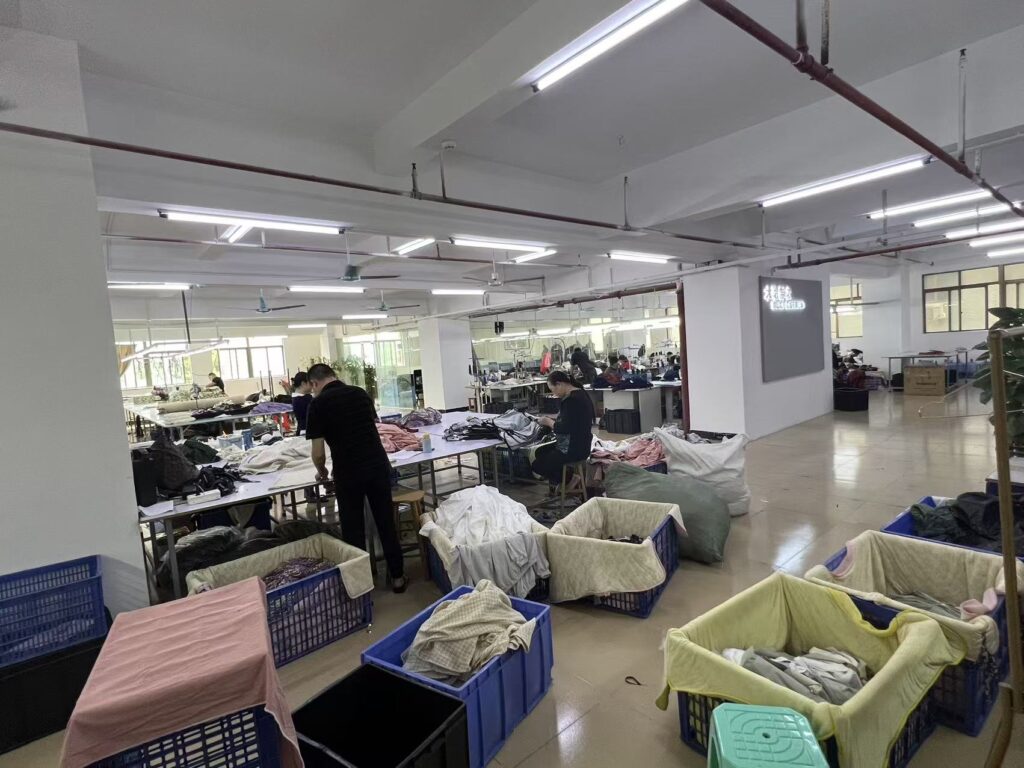
What measurement tolerance means in garment production
The specification gives the target measurement, while the tolerance sets the permitted plus or minus variation. If the approved chest measurement is 92 cm with a tolerance of ±1 cm, a finished result from 91 to 93 cm falls within that single point of measurement. This does not mean every dimension should use the same allowance.
Critical fit points usually need tighter control than less sensitive dimensions. Neck width, strap length, waist position and armhole depth can change appearance or comfort with a small variation. Sweep, belt length or an oversized silhouette may allow a wider range. The tolerance should reflect the design, fabric, construction and measurement method.
Set the measurement method before setting the limit
A tolerance is only useful when both parties measure the garment in the same way. The tech pack should define whether the garment is laid flat, relaxed, closed, stretched or measured along a curve. It should also show the exact start and end points. The clothing tech pack guide explains how diagrams and point-of-measurement descriptions remove ambiguity.
- State whether widths are measured across the garment or as a full circumference.
- Identify whether elastic areas are relaxed or extended.
- Define how curved seams, necklines and armholes are followed.
- Specify whether pleats, smocking or gathers are opened during measurement.
- Use the same calibrated tape and flat measuring surface.
If the buyer changes the method after the sample is approved, the historical results are no longer comparable. The measurement diagram, specification and sample comments should therefore be revised together.
How to build a practical tolerance table
Start with the approved base-size sample and list the measurements that control fit, construction and visual balance. Assign a tolerance to every inspected point rather than placing one general statement at the bottom of the chart. A fitted woven dress may need closer control at the bust, waist and hip, while a loose blouse may tolerate more variation in body width.
The approved women’s clothing fit block should inform the priority points. However, the block is the shape standard; the tolerance is the production acceptance range. They serve different purposes and should not be combined into one vague instruction.
Do tolerances change across sizes?
Sometimes. Small sizes may need tighter absolute tolerances at narrow openings, while larger sizes may justify a slightly wider range on long or full measurements. Buyers should not automatically apply one percentage to every point because a percentage can create an impractical allowance on long dimensions and an excessively tight allowance on short ones.
Review the tolerance table alongside the size grading plan. The graded measurements establish the intended difference between sizes; tolerance should not be so wide that adjacent sizes overlap excessively or become difficult to distinguish.
Check measurements at more than one production stage
Measurement control should begin before final inspection. The sample room records the approved sample, the cutting team checks pattern and cut-part dimensions, and in-line QC measures early garments from the sewing line. Early results can reveal seam allowance, operator or pressing issues while corrections are still possible.
- Pre-production sample: confirm the final specification and measurement method.
- First output: compare early garments with the sealed sample.
- In-line inspection: monitor selected sizes and high-risk points.
- After finishing: recheck dimensions affected by pressing, washing or handling.
- Final inspection: record the sample size, results and disposition.
The pre-production sample approval should identify which version of the measurement chart is valid. Factories should not rely on an old spreadsheet when later comments changed the garment.
How buyers should judge out-of-tolerance results
An out-of-tolerance point is a signal to investigate, not an automatic instruction to reject the entire order. QC should identify the affected sizes, frequency, direction and likely cause. If every checked garment is consistently small at the waist, the issue is different from one isolated measurement error.
Buyers should also review combined fit. Several points may individually fall within tolerance yet collectively make the garment look unbalanced. A final decision can consider the approved sample, wear test, defect classification and commercial risk, but any concession should be documented for that order rather than silently becoming a new standard.
Common tolerance mistakes
- Using one ±1 cm rule for every garment and every point.
- Leaving the measuring method undefined.
- Checking only the base size and ignoring graded extremes.
- Measuring before pressing when the approved method requires finished goods.
- Changing the specification without updating the sealed sample.
- Accepting recurring deviations without corrective action.

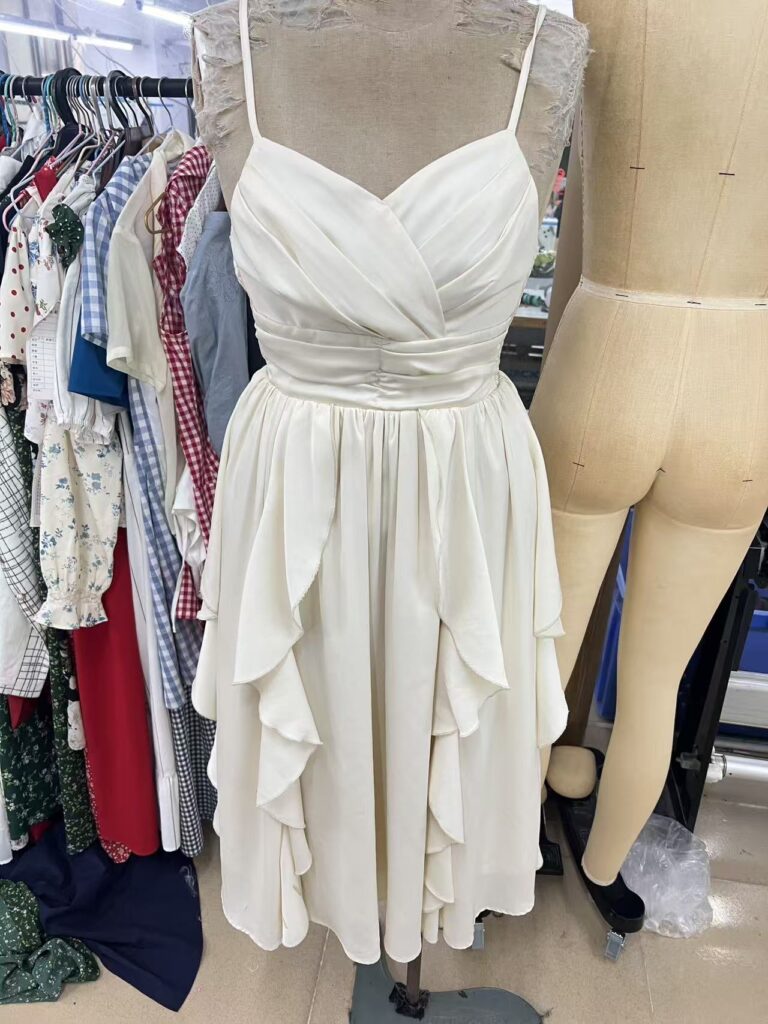
Create an inspection standard both teams can repeat
Women’s clothing measurement tolerance works when the target, measurement method and acceptance range are all explicit. Brands should approve the table before bulk production, review early output and keep final reports traceable to the correct style and size range. A broader garment quality-control checklist can connect measurement results with workmanship and packaging checks. Buyers preparing a new style can send their measurement chart for a production-readiness review.