Woven dress lining selection affects opacity, comfort, drape, durability and the way a garment moves on the body. The cheapest lining is not always the lowest-cost choice if it creates static, restricts movement, shows through the shell or complicates care instructions. Buyers should evaluate the lining as part of the complete dress rather than approve it as an isolated swatch.
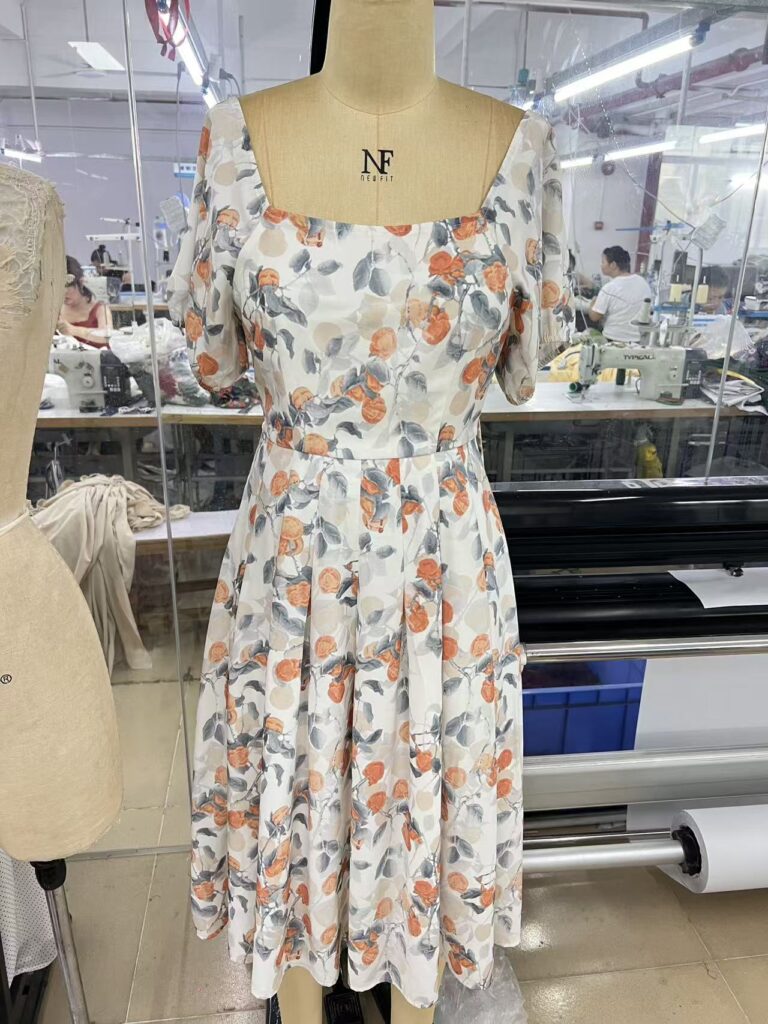
Why a woven dress may need lining
Lining can provide coverage under light colors, prevent the shell from clinging, protect skin from rough seams, support shape and conceal internal construction. It may also help a fitted dress slide over the body. However, adding a full lining increases material, labor and warmth, so the correct solution depends on the garment and target customer.
Some dresses need only a lined bodice, skirt, yoke or specific panel. Others can use a separate slip, facing or double layer. The decision should be made during development and included in the woven dress bulk-production plan before the final quotation and pattern approval.
Match lining performance to the shell fabric
The shell and lining should move together without distortion. A very stiff lining can hold back a fluid viscose shell, while an overly soft lining may not support a structured bodice. Weight, drape, stretch and recovery should be considered as a system.
The fabric sourcing process should therefore include both layers. If the shell has mechanical stretch or is cut on the bias, a rigid lining may restrict fit. If the shell is crisp, a slippery lightweight lining may improve comfort without changing the intended silhouette.
Opacity and color selection
Opacity should be evaluated on the body or over a representative underlayer, not only by holding a swatch in the hand. Strong retail lighting and daylight can reveal transparency that is not visible in the sample room. Light-colored dresses may need a lining shade close to the wearer’s skin tone or the shell, depending on the design.
A matching bright-white lining can sometimes make a pale shell look cooler, while a cream lining can warm the appearance. Printed shells may show differently when placed over dark or high-contrast lining. Buyers should approve the combined layers under realistic lighting.
Comfort, breathability and static
The lining is often the layer touching the skin, so hand feel and moisture behavior matter. Polyester options can provide durability and a smooth surface, while cellulosic or blended linings may offer a different feel. Fiber name alone does not determine performance; construction, finish and weight also matter.
Check whether the fabric generates static against the shell, traps heat, catches on hosiery or feels abrasive at armholes and necklines. For summer dresses, buyers may prefer partial lining or a lightweight breathable option, provided coverage remains adequate.
Construction details buyers should approve
- Full, partial or bodice-only lining coverage.
- How the lining is attached at the neckline, armhole, waist and zipper.
- Hem length and the distance between lining and shell hems.
- Ease pleats or movement allowance where needed.
- Seam type, edge finish and any understitching.
- Openings, vents and how the lining clears them.
- Whether the lining is secured at side seams or left free.
A lining that is too short may pull the shell upward; one that is too long can become visible at the hem. At a concealed zipper, excess bulk can cause catching or an uneven seam. These details should be checked on the approved sample in the intended size.
Shrinkage and care compatibility
Shell and lining can react differently to washing, steam and pressing. If one layer shrinks more, the dress may twist, bubble or hang unevenly. Test the combined garment according to the intended care method rather than relying only on separate fabric data.
The guide to woven dress shrinkage testing explains how buyers can compare pre-wash and post-wash measurements. The care label should reflect a method that both shell and lining can tolerate.
Seam and durability risks
Lightweight linings can fray, tear at stress points or slip at seams if the stitch and seam allowance are unsuitable. Fitted skirts and armholes deserve particular attention. The construction should be tested on the actual material, and the seam slippage review can help identify yarn movement before bulk production.
Questions to ask during lining approval
- Does the garment remain opaque in daylight and strong retail lighting?
- Does the lining preserve the intended drape and stretch?
- Is it comfortable against the skin and resistant to static?
- Do shell and lining remain compatible after washing or pressing?
- Are the hem, zipper, vent and armhole constructions clean?
- Is the approved lining available in the required colors and MOQ?

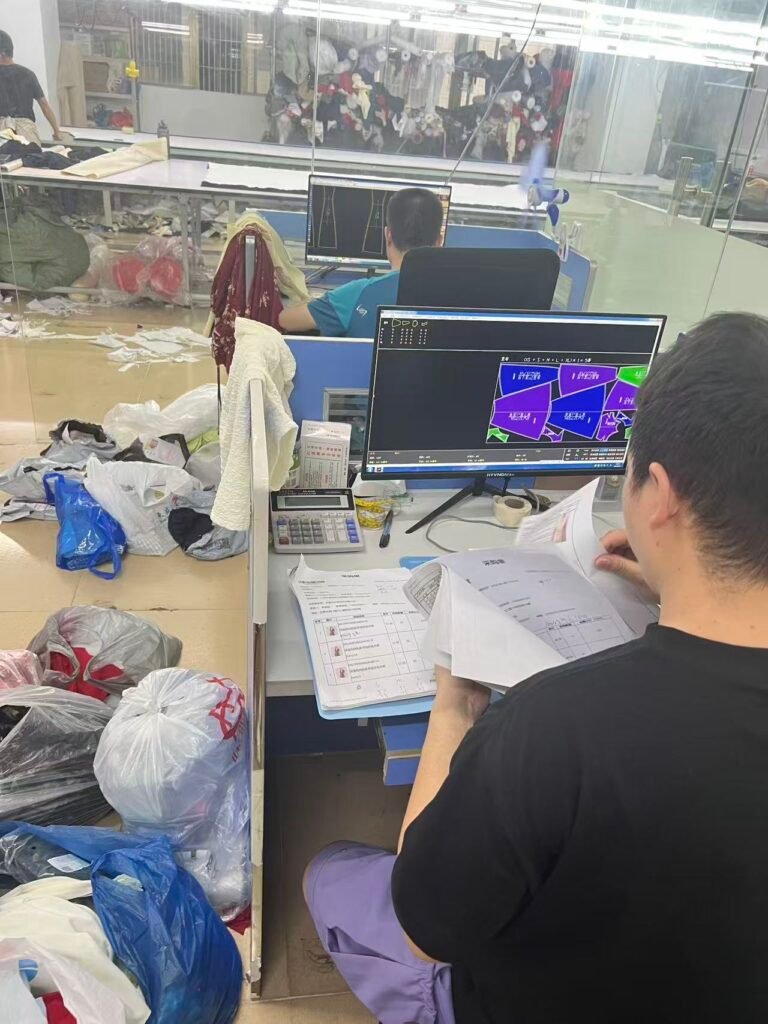
Approve the complete dress, not just the swatch
Woven dress lining selection should balance coverage, comfort, construction and care. Buyers should test the actual shell-and-lining combination, approve attachment details and record the supplier reference on the bill of materials. A good lining supports the design quietly without changing fit or becoming visible during wear. Brands developing a lined woven style can send the shell specification and design details for a lining review.