Women’s co-ord set manufacturing requires buyers to approve individual garments and their relationship as a coordinated product. A blouse and skirt may each meet their own specification yet look inconsistent when worn together. Overseas brands, wholesalers and retailers should define how the pieces are sold, sized, matched and packed before asking a factory to quote. This guide focuses on woven women’s matching sets, where paired appearance and complete-set delivery are central purchase requirements.
Define the unit being purchased
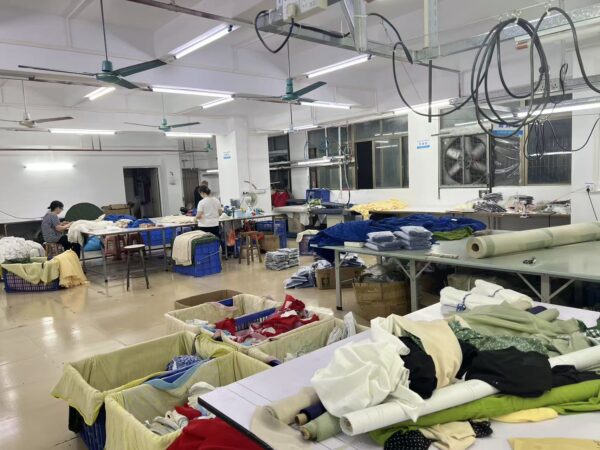
State whether the order is for complete sets or separate garments that can be purchased independently. Give every component its own style reference and connect them with a set code where needed. Identify the included pieces, such as a blouse and shorts, without leaving accessories or belts implicit.
If the buyer orders 300 sets containing two garments, the production requirement is 300 of each component, not 300 garments in total. Record both set quantities and component quantities. Clarify whether spare individual pieces may be shipped and who approves any incomplete sets.
Approve paired fabric and color appearance
Confirm whether components use the same material, different materials in coordinated colors, or a shared print. Review swatches together and then evaluate the assembled outfit. A close shade match on separate submissions may look different when the garments are adjacent.
Ask how fabric lots will be allocated to matching components and what variation is acceptable. The shade-band approval guide helps establish the bulk reference. Do not assume a shared color name guarantees a visual match across different constructions or finishing processes.
Fit each component and the outfit together
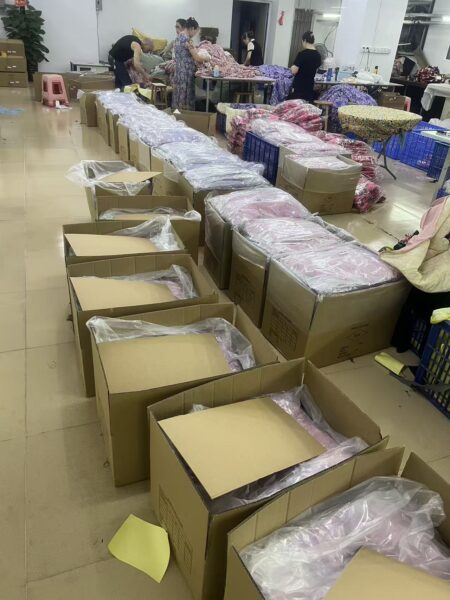
Prepare separate measurement sheets and fit comments for every garment. Review the complete set to assess waist placement, overlap, proportions and movement. For example, a cropped top can meet its specified length but provide a different amount of coverage when paired with a lower-rise skirt.
Review sitting, walking and arm movement in the intended sample size. Identify whether a correction belongs to one component or their relationship. Keep the accepted silhouette documented so the factory does not solve a proportion issue by changing both garments without a clear instruction.
Decide how sizes may be combined
State whether the retail set uses a single shared size label or permits mixed top and bottom sizes. Fixed-size sets require a clear paired size matrix. Mix-and-match selling requires quantities and identification for the components as individual stock units, even when they are photographed as a collection.
Plan representative size reviews using the size-set sample guide. Confirm that grading preserves the intended relationship across the range. A proportional issue at the smallest or largest size may not be visible in the base-size outfit.
Quote materials and operations by component
Request a price breakdown that identifies the included garments, shared materials, individual trims, sample work and packaging. Confirm minimum quantities by fabric and color. Ask whether the factory can consolidate sourcing while preserving the approved construction of each piece.
The multi-style order planning guide addresses broader production coordination. For matching sets, add a specific complete-set requirement: separate production schedules should still support the agreed number of finished outfits. One delayed component can prevent the corresponding sets from being delivered.
Check matching and packing before dispatch
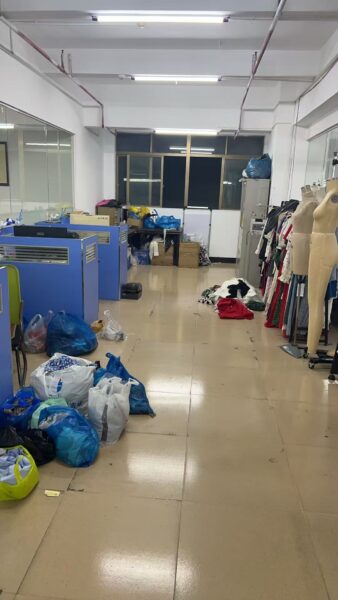
Approve how the set is folded, bagged and labelled. If components share one retail package, confirm that the size and color pairing is checked before sealing. If packed separately for a distribution center, specify the identification that allows receiving staff to reunite them correctly.
Compare paired garments for shade, print direction and agreed proportions during inspection. Reconcile the available quantity of every component before confirming complete-set totals. Record shortages, damaged pieces or unmatched units separately instead of treating a combined garment count as evidence that all sets are complete.
Prepare a set-specific factory enquiry
Send drawings and technical information for each component, fabric references, the set structure, size combinations, quantities and delivery window. Include photographs showing how the outfit should appear together. State whether a quote should cover complete sets or separately priced pieces.
To discuss a matching women’s wear set with Mugekoo, prepare the enquiry using the manufacturing RFQ checklist. Ask the factory to confirm capability, sourcing minimums and paired sample approvals. A complete brief makes coordinated appearance and set quantities part of the production agreement from the start.