Private label clothing color approval is the process of turning a digital color reference or physical swatch into a repeatable bulk production standard. Buyers often focus on the first lab dip, but consistent color depends on the fiber, dye method, fabric construction, finishing process, light source and lot control. A clear approval sequence reduces shade disputes after fabric has already been cut.
Start with a usable color standard
A screen image is not a reliable production standard because displays, file settings and ambient light change what people see. Buyers should provide a recognized color reference such as a current Pantone textile code, an approved physical swatch or a piece of the original garment. The reference should also identify whether the target is for fabric, thread, print, lining, buttons or another component.
At the quotation stage, include color count and order quantity by color in the women’s clothing manufacturing RFQ. Dye-house minimums and surcharges can affect both price and feasibility, especially when a low-MOQ order is divided into several custom colors.
Lab dip approval for solid-dyed fabric
A lab dip is a small dyed sample created to show possible color results before bulk dyeing. Suppliers often submit several options labeled A, B and C. The buyer should evaluate the samples against the same master standard and record one decision: approved, approved with comment or rejected.
Color should be checked under controlled lighting. Daylight, store lighting and office fluorescent light can make the same fabric look different. Brands selling through physical retail may specify more than one light source to identify metamerism, where two samples match under one light but differ under another.
- Confirm the fiber content and fabric construction used for the lab dip.
- View the standard and sample side by side, not from memory.
- Evaluate hue, depth and brightness rather than using “too dark” alone.
- Record the approved option number and date.
- Keep one approved sample with the buyer and one with the supplier.
Strike-offs for printed women’s clothing
A strike-off tests a print’s colors, scale, registration and repeat on the intended fabric. It is different from a lab dip because several colors and a pattern layout may need approval together. Buyers should check motif size, direction, spacing, edge definition, penetration and how the print looks across seams or panels.
The base cloth affects the result. A print approved on smooth polyester may look softer or less sharp on viscose crepe. That is why the fabric sourcing decision should be stable before final color approval. If the fabric changes, a new strike-off may be necessary.
Shade bands and bulk-lot approval
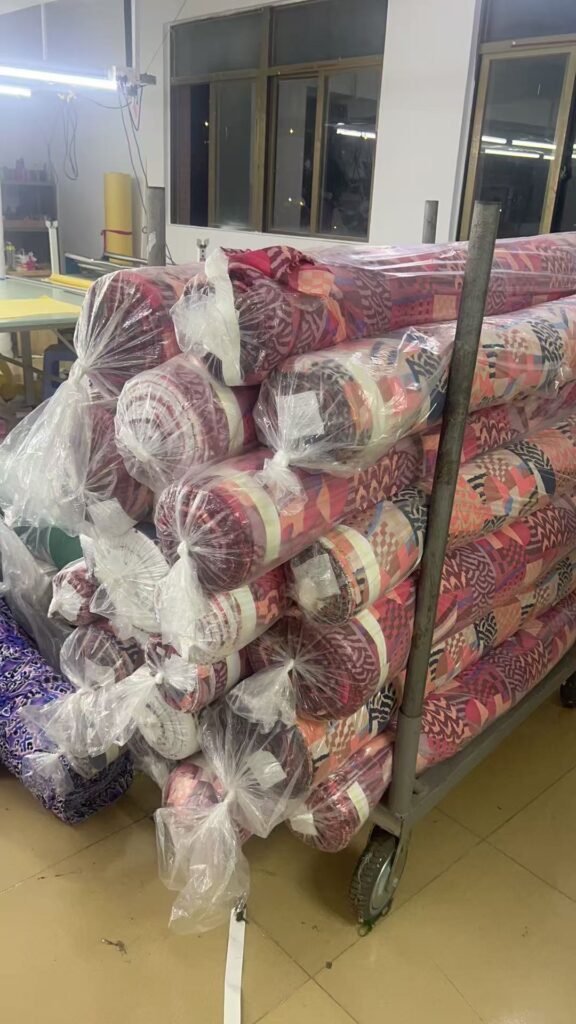
Even an approved lab dip does not eliminate normal variation in bulk dyeing. A shade band presents representative swatches from different rolls or positions in the dye lot so the buyer can see the production range. The brand should define whether the band is acceptable and whether rolls outside it must be separated or rejected.
The manufacturer should record fabric roll numbers and avoid mixing visibly different shade lots within one garment. Cutting complete garment panels from the same roll helps prevent a front panel, sleeve and skirt from appearing different after sewing. Roll segregation is especially important for matching sets and solid-color dresses.
Color checks during production
Color control continues after approval. Fabric finishing, pressing temperature, fusing, washing and garment dyeing can shift appearance. Thread, zipper tape, buttons and lining may also need tonal or contrast approval. The factory’s fabric approval and quality-control process should connect the approved standard to incoming inspection, cutting and final inspection.
For garments with multiple components, prepare a color card showing the fabric, lining, thread, label, zipper and trims together. This gives production and QC one clear reference rather than a chain of separate messages.
How buyers should write color comments
Comments should be comparative and actionable. “Option B is slightly too red and dark compared with the standard” is more useful than “not right.” Mark the chosen option clearly, avoid combining parts of different options unless a new submission is requested and return comments quickly because lab-dip delays can move the fabric booking date.
Common causes of color disputes
- The buyer approved from a phone photo rather than the physical submission.
- The lab dip and bulk fabric used different fiber content or finishing.
- Different light sources were used during approval and final inspection.
- Several dye lots were mixed without a shade-band agreement.
- Approval comments were sent informally and no master sample was retained.
- The finished garment was compared with a digital image instead of the approved standard.

Build color approval into the purchase timeline
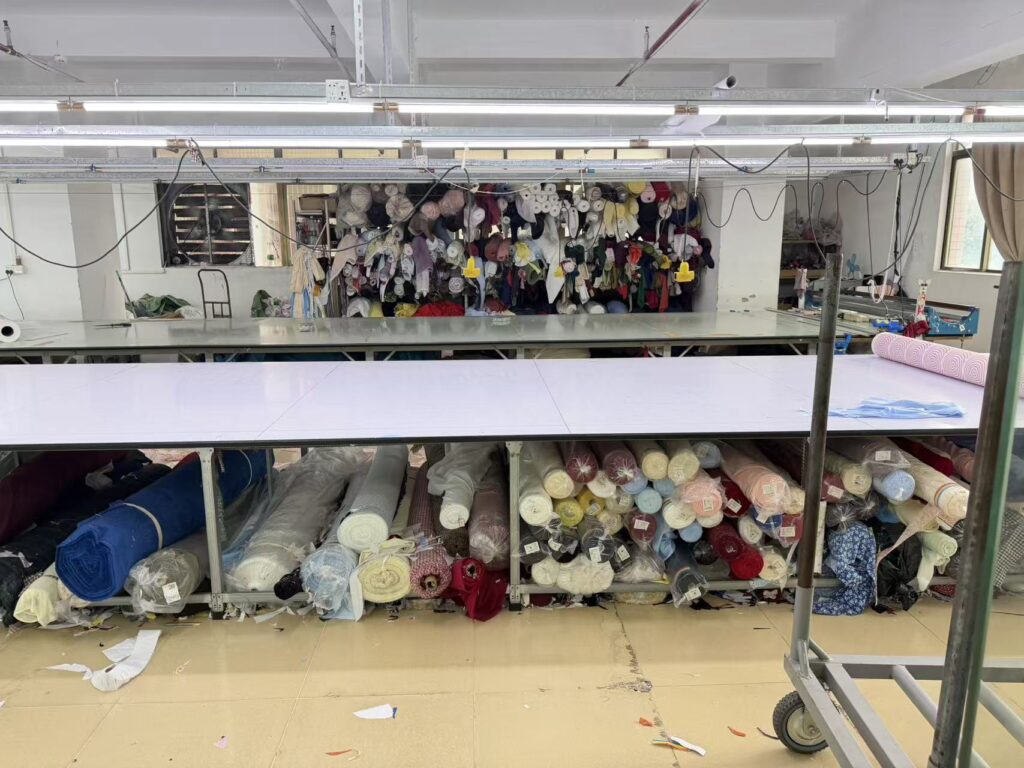
Private label clothing color approval should have named owners, submission rounds and deadlines. Allow time for lab dips or strike-offs before bulk fabric booking, then review the bulk lot before cutting. This sequence supports the broader woven women’s wear quality plan by moving a high-cost decision earlier in production.
Brands developing custom colors can send their Pantone references, fabric specifications and color quantities for a sourcing and approval plan. The goal is not a perfect match on every screen; it is a documented physical standard that production teams and buyers can evaluate consistently.