Private label clothing trim sourcing covers every component added to the main fabric, including zippers, buttons, snaps, elastic, thread, labels, hangtags, lace, drawcords and packaging items. These details influence appearance, function, compliance, cost and lead time. A garment can be sewn correctly and still miss delivery if one branded trim is late or fails approval.
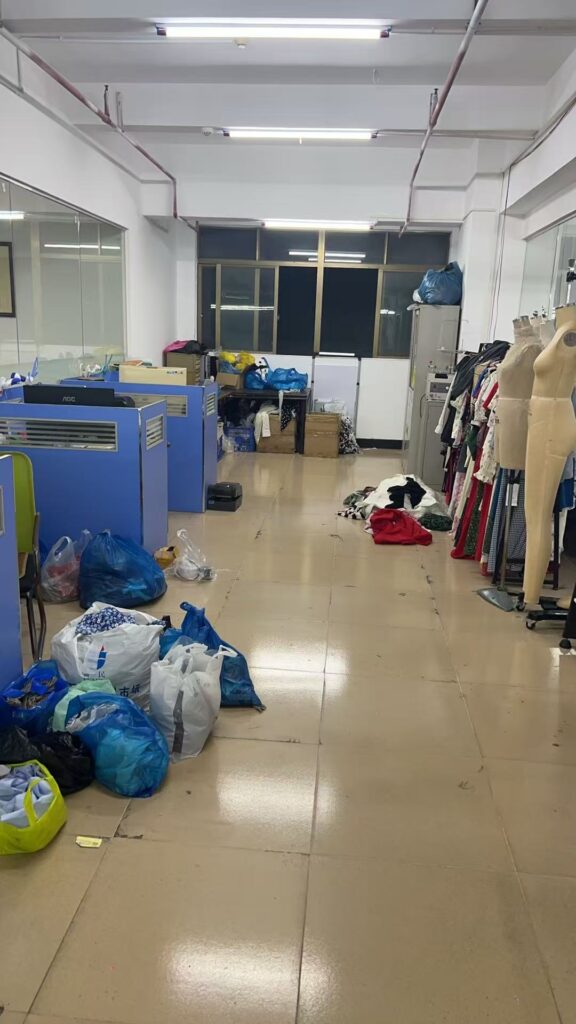
Build a trim list from the tech pack
The bill of materials should identify every component, supplier reference, material, dimensions, color, finish, placement and quantity per garment. Photos are helpful, but they should support rather than replace measurable specifications. The manufacturer-ready tech pack guide explains how a clear bill of materials reduces assumptions during sampling.
Separate functional trims from branding and packaging. A zipper or elastic affects wear performance; a main label affects identity and compliance; a hangtag or polybag affects retail presentation. Each category may have a different supplier, minimum order quantity and approval lead time.
Stock trims versus custom trims
Stock trims are available in existing sizes, colors and finishes and can support faster, lower-volume orders. Custom trims give a brand more control but may require tooling, artwork approval, higher minimums and longer production. Buyers should decide where customization adds customer value.
A small first order may use a reliable stock zipper and custom woven label, while a mature program may justify branded pullers, engraved buttons and color-matched elastic. The choice should align with the product position and reorder plan rather than adding custom components to every detail.
Key approval points for common trims
Zippers
Confirm zipper type, gauge, teeth material, tape color, slider, puller, length, end finish and performance. The measured zipper length should follow one agreed method. For concealed zippers, check installation with the real garment fabric because lightweight materials can pucker or reveal the tape.
Buttons, snaps and hardware
Specify material, diameter, thickness, finish, logo direction and attachment method. Hardware should be reviewed for sharp edges, coating consistency and pull security. Metal components may require destination-specific testing depending on product type and market.
Elastic, lace and tapes
Confirm width, weight, stretch, recovery, hand feel and color. Elastic performance can change garment fit, so it should be approved with the sample rather than sourced only by appearance. Lace and decorative tapes require checks for repeat, usable width, edge finish and shrinkage.
Labels and hangtags
Main labels, size labels, care labels and country-of-origin information should use approved artwork and wording. The existing guide to private label labeling and packaging covers how these items connect with retail-ready production.
Manage trim minimums before confirming the MOQ
Trim suppliers may sell by roll, gross, carton or color minimum rather than by garment quantity. A low garment MOQ does not guarantee a low custom-trim MOQ. If one custom zipper color requires more units than the style order, the brand must decide whether to pay a surcharge, carry leftover inventory or select a stock alternative.
Ask the manufacturer to show trim minimums separately when they materially affect the quote. This helps the buyer compare the sample and development cost with the later bulk commitment.
Use one trim card as the production reference
After approvals, the factory should prepare a dated trim card or approved component board. It brings the fabric, thread, zipper, button, elastic, labels and decorative pieces together under the correct style number. Production, purchasing and QC should all reference the same version.
Color comments should identify the approved standard and light source where relevant. Performance-related approvals should record the tested version, not just the supplier’s general catalogue item. If a supplier changes material or production location, the replacement may need new approval.
Incoming inspection and storage controls
- Verify item code, color, dimensions and received quantity.
- Compare appearance with the approved trim card.
- Check functional items through an agreed sampling plan.
- Separate rejected or unapproved components.
- Label leftover custom trims by brand, style and production lot.
- Protect metal finishes, elastic and printed items during storage.
Defects found after trims are attached are more expensive to correct. Incoming checks allow the factory to stop unsuitable components before they reach sewing or finishing.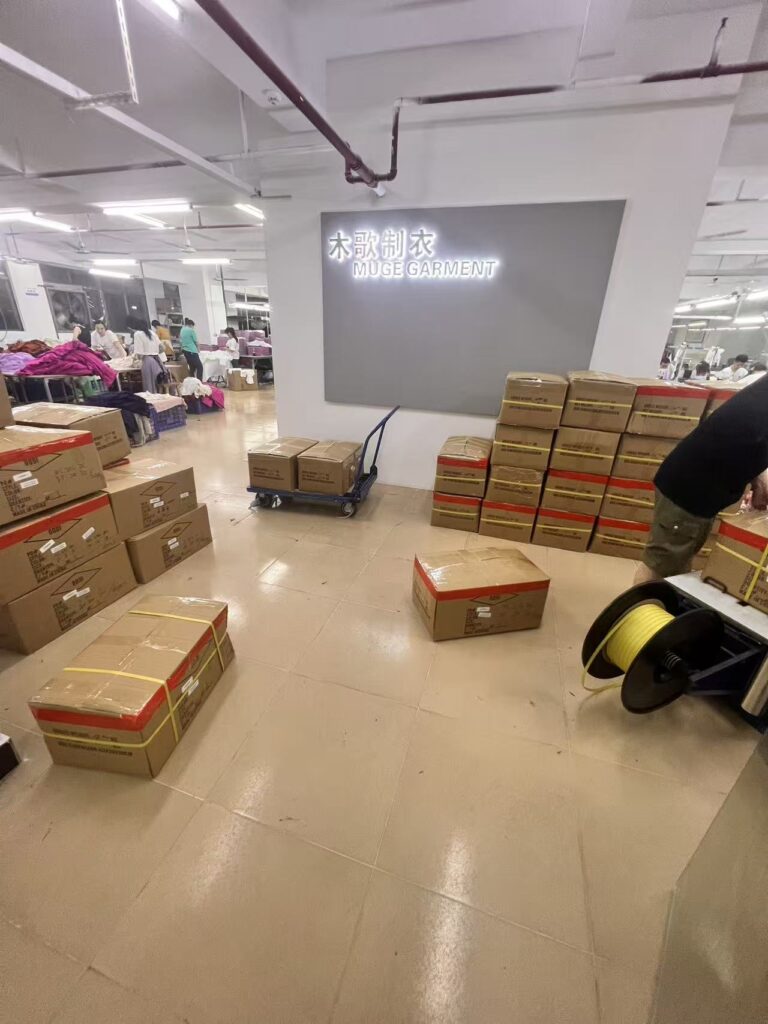
Plan replacements and reorders
For continuing styles, document approved supplier codes and keep enough information to reproduce the component. Branded trims should also have clear ownership and disposal rules. If the original item becomes unavailable, the factory should submit a replacement for approval rather than changing it silently.
Private label clothing trim sourcing is most reliable when the bill of materials, approvals, minimums and incoming checks are planned together. Brands can combine this with the repeat-production control process to maintain consistency across reorders. Buyers preparing a collection can send their trim list and artwork for a sourcing review.