Women’s clothing manufacturer in China colorfastness testing helps brands reduce complaints caused by color transfer, fading or staining after garments reach customers. A fabric can look correct at approval and still create problems if its color performance is not matched to the intended use, wash method and neighboring materials.
For buyers, the goal is not to request every possible test. It is to agree the appropriate test plan before bulk production, use representative materials and make sure any result affects the production decision rather than becoming a document filed after the order is finished.
Decide which colorfastness risks apply to the style
Consider how the garment will be worn and cared for. Dark or saturated colors may need attention for rubbing or washing transfer. A light-colored lining, contrast collar, embroidery, printed panel or white trim can make a minor bleed issue highly visible. Perspiration, dry or wet rubbing, laundering and light exposure may matter differently depending on the product and market.
Document the fabric composition, color, finish, intended care method and any contrast materials before testing. This information should sit beside the fabric inspection record, so a failed or questionable result can be traced to the correct roll or lot.
Test the actual production combination
Swatches are useful during development, but bulk decisions should be based on production-ready material. Test the shell with the actual lining, print, trim or tape where color transfer could occur. If a garment will be washed with accessories attached, the test set should reflect that construction.
For colorways with more than one fabric lot, retain samples from each approved lot. This is especially important where the buyer has already approved a shade band; shade consistency does not automatically prove that every lot performs the same way after use or care.
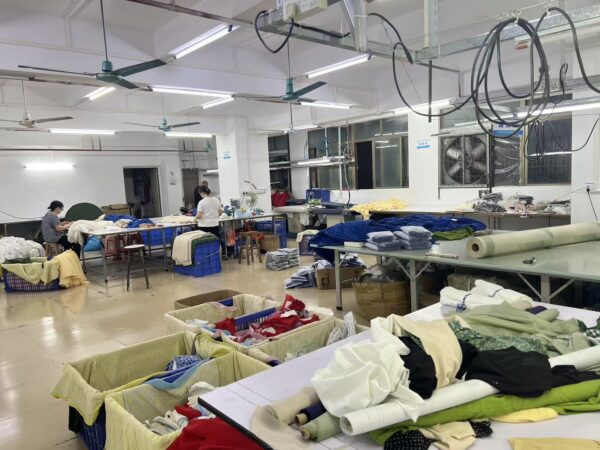
Set acceptance expectations before the result arrives
Agree the relevant standard, test method, grade or customer requirement with the buyer’s quality team before sending samples. Requirements can vary by destination, retailer and product category, so do not rely on a generic claim that a fabric is “colorfast.” The factory and buyer should also agree who reviews the result, how long approval takes and whether bulk cutting can start before the result is released.
Connect the approved care method to the wash-care testing plan. A care label that promises a particular wash process should be supported by how the actual fabric and garment perform under that process.
Use failed results to make a controlled production decision
A failed result does not always mean the whole project stops, but it should trigger a specific decision: change dyeing or finishing, revise the material, alter the contrast combination, adjust care instructions, conduct a further test or hold the affected lot. Record the decision and apply it consistently to cutting, sewing and packing.
Keep a clear lot reference for any approved replacement material. That record will support the material traceability process if the buyer needs to investigate a later claim.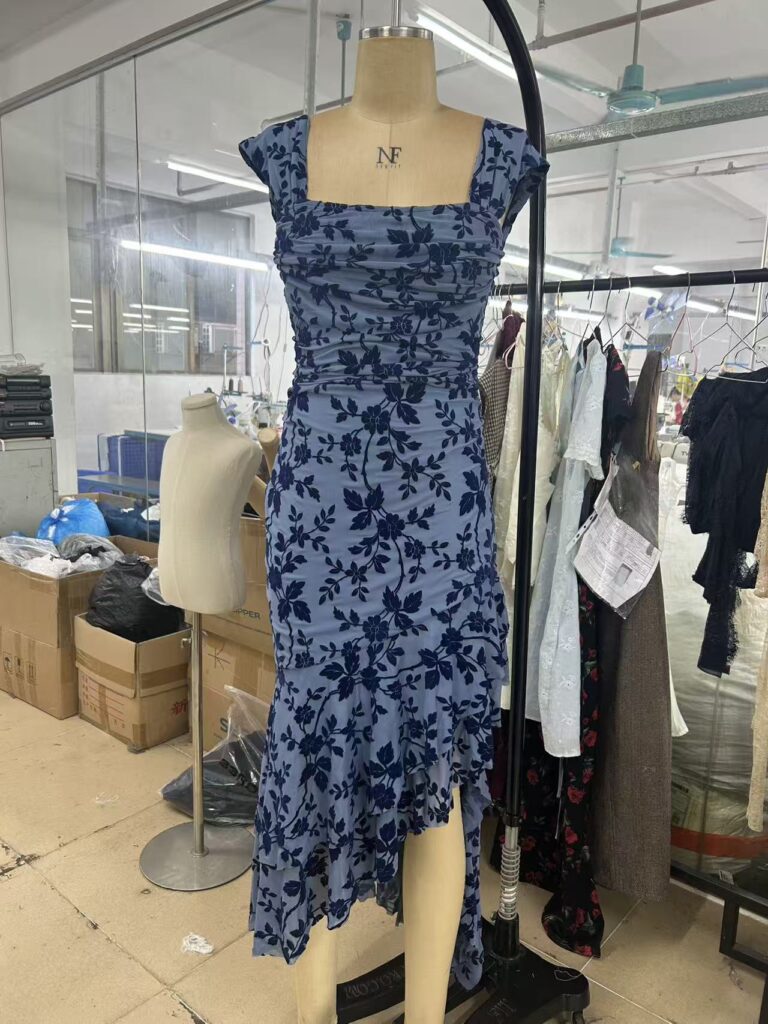
Check color performance during bulk production
Bulk controls should include visual comparison under agreed lighting and checks for color transfer onto adjacent light components during pressing, handling or packing. Production teams should not mix lots without an approved instruction. For very dark, bright or contrast styles, a short pre-production wash or rubbing check may be worthwhile even after fabric approval.
Include any open colorfastness risk in the inline inspection update so the buyer sees the status before goods are packed.
Women’s clothing manufacturer in China colorfastness testing is most useful when it is planned alongside sourcing, care and construction—not added just before shipment. To review fabric risk points for an upcoming women’s wear order, share the fabric and colorway details through the contact page.