Cowl-neck dress manufacturing depends on a controlled fold that falls consistently when the garment is worn. A dress can meet its chest and length measurements yet expose too much, lose the intended drape or pull unevenly at the shoulder. For overseas brands, wholesalers and retailers, approval needs to describe the neckline in use as well as on the measurement table.
Ask a custom women’s clothing manufacturer to develop the cowl in the proposed production fabric. A substitute fabric with a different weight, finish or flexibility may give a misleading result. The buying decision is whether the factory can reproduce the approved fall across sizes and bulk lots.
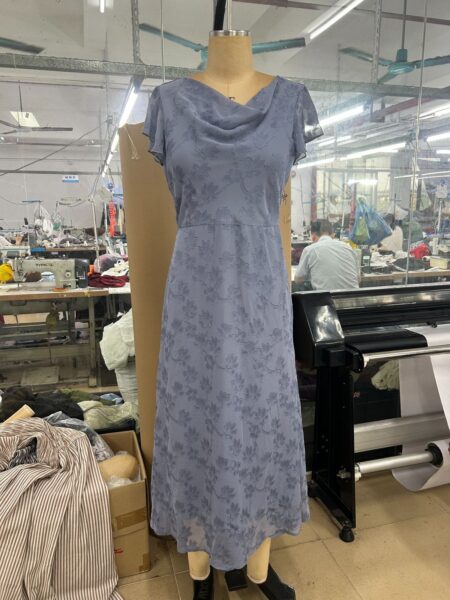
Specify the intended fold before requesting a quote
Include front, side and inside views in the tech pack. Mark whether the cowl is shallow or deep, whether it has one main fold or several, and where its lowest point should sit on the intended wearer. Identify shoulder attachment points, the inside return or facing, and any hidden securing detail.
Separate the neckline opening from the fold depth. A flat edge measurement does not explain how much fabric hangs below the opening. Ask for an agreed method of measuring the sample on the fit reference, with photographs showing the same posture and camera angle. Do not use a universal depth limit: coverage expectations depend on the brand, customer and styling.
Approve drape in the actual fabric and orientation
The shell should fall smoothly without looking rigid or collapsing into an uncontrolled opening. Review the swatch, then test a full neckline assembly because small fabric pieces cannot show the weight of the finished bodice. Confirm the fabric face, grain direction and any directional motif before the pattern is finalized.
A cowl detail does not automatically mean that the whole dress is cut on the bias. If the design uses bias-cut panels, review the separate bias-cut dress production checks for handling and length stability. Keep the neckline approval focused on its fold, support and coverage rather than treating every draped dress as the same construction.
Check movement, support and lining interaction
Evaluate the sample standing, sitting, reaching forward and raising the arms. Record whether the fold opens, catches on the lining or shifts to one side. If the brand intends the dress to be worn with a particular undergarment, use that reference during fitting and state the requirement clearly.
The inside layer should allow the cowl to move without pulling it flat. Check whether a lining edge becomes visible, whether a facing rolls outward and whether any securing stitch creates a dimple on the face. General neckline support and finishing checks remain useful, but the cowl’s approved movement is an additional acceptance point.
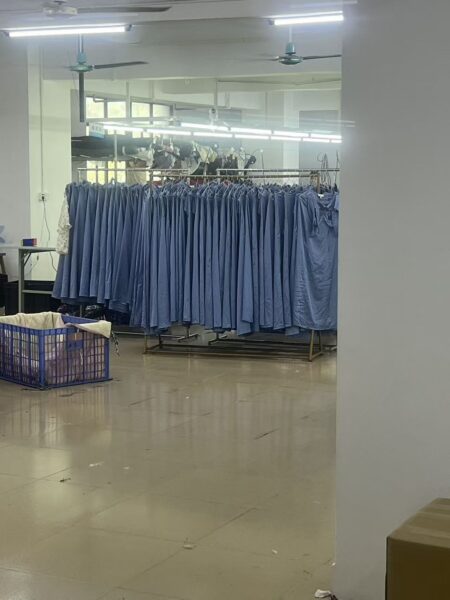
Verify the smallest and largest sizes
Do not approve the full size range from one mannequin photograph. A fold that looks balanced in the base size may sit differently when the shoulder, bust and torso proportions change. Review the size-set samples with the same coverage assessment used for the original fit sample.
| Buyer checkpoint | Approval evidence |
|---|---|
| Fold position | Front and side photographs on the agreed fit reference |
| Movement coverage | Written observations from the agreed movement checks |
| Inside construction | Inside view identifying facing, lining and securing points |
| Size consistency | Comments and release decisions for the selected size set |
Control sewing and pressing without flattening the cowl
Ask the OEM clothing manufacturer to retain the approved pattern version and sewing sequence. The neckline should not be stretched to make mismatched edges meet. Check shoulder joins, fold returns and securing points for balance before finishing hides the inside construction.
Coats’ technical bulletin on seam puckering identifies fabric structure, thread and needle size, tension and feeding as possible contributors. For a visible cowl edge, request a sewing trial on the actual fabric instead of prescribing one machine setting for every material. Approve pressing on a finished sample so the intended fold is preserved.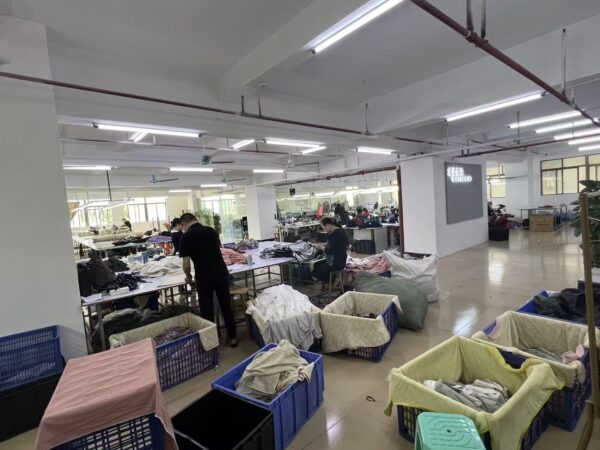
Include drape checks in bulk release
Compare early production pieces with the sealed approval sample. Review more than one size and fabric lot, checking fold shape, inside visibility and shoulder balance. A flat measurement pass should not close an unresolved drape problem. Define whether a defect needs repair, replacement or buyer review, and retain photographs of the decision.
Before pricing a private label order, provide the required quantities by size and color, production-fabric reference and target coverage. To discuss cowl-neck dress manufacturing, send your tech pack and buying requirements to Mugekoo. The sample request should identify which visual and movement checks must be signed off before bulk cutting.