Usable fabric width is the width the factory can actually place garment pattern pieces within, after excluding areas that cannot enter the finished product. It may differ from the nominal width on a supplier’s quotation. For woven women’s wear production, that difference can affect material consumption, cutting plans and the quantity an order can deliver.
This is a purchasing and release decision, not simply a fabric inspection measurement. Buyers need to know which width supported the quotation, what arrived and whether the approved pattern layout still fits before cutting starts.
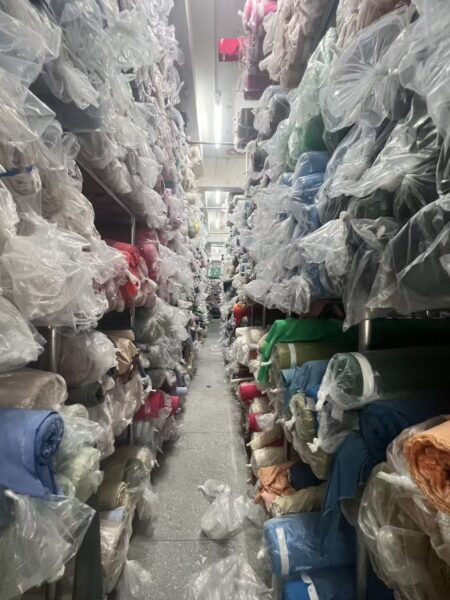
Separate nominal, total and usable width
A quoted width may refer to an approximate commercial description or to a measured edge-to-edge dimension. Usable width excludes the agreed non-cuttable edges or other excluded areas. State the definition in the material purchase specification so the mill, agent and OEM clothing manufacturer are comparing the same value.
ASTM’s listing for D3774-18(2024), last updated November 14, 2024, covers fabric width, usable width or both. Its published scope says measurements include selvages unless otherwise specified. Naming a method therefore does not replace an explicit usable-width requirement. Agree the method, width definition and commercial acceptance criteria before testing.
Record the width assumption in the quotation
Ask the factory to identify the width used for consumption and price calculation. If the development sample used a different roll, confirm that its width is representative of the proposed bulk stock. For directional fabrics, specify that the marker must preserve the approved direction and placement rules rather than gain apparent yield by changing the design.
The existing fabric consumption guide covers the broader material calculation. This approval focuses on whether the width input is reliable. Keep the width assumption, pattern version and marker reference together so later changes can be explained.
Review measurements by roll and location
The inspection record should identify the fabric code, color, lot, roll, measurement locations, measured widths and the excluded edge allowance. Agree how many locations and rolls need checking according to the order and material risk. Avoid presenting a self-selected checking frequency as an industry-wide standard.
Do not hide variation behind one average. A roll with acceptable average width may have sections too narrow for the planned layout. Request the range and location of exceptions, and ask how those sections will be segregated or accommodated. Connect the record to incoming fabric inspection rather than treating width as proof that all other material checks passed.
Choose a documented response to narrow fabric
| Situation | Decision needed before cutting |
|---|---|
| All released rolls meet the approved width | Confirm the correct marker and release quantity |
| A separate group is narrower | Hold it or approve a dedicated marker and consumption |
| Only isolated sections are narrow | Identify and exclude or separately plan those sections |
| The revised layout cannot meet the order | Agree replacement material or a revised quantity plan |
A narrower marker may work, but it can change yield. Ask for the revised layout and material requirement before accepting a cost or quantity adjustment. Do not allow the factory to reduce pattern dimensions, seam allowances or motif requirements simply to fit the available width. Such changes require separate product approval.
Use a calculation that shows the commercial impact
As an illustration, suppose a plan for 1,000 dresses used 1.80 meters per dress and a narrower approved marker needs 1.95 meters. The base requirement changes from 1,800 to 1,950 meters: an additional 150 meters before separately agreed allowances. These are illustrative values, not expected consumption for a particular style.
The example should not be replaced with a width-ratio shortcut. Pattern shapes and layout constraints can make the yield change uneven. The factory should recalculate from the actual size ratio and approved construction, then show the implications for remaining cloth, replacement orders and delivery.

Keep width groups traceable through cutting
Where several widths are approved, identify which marker belongs to each group. The spreading team should not substitute a narrow roll into a wider-width layout. Retain roll references on the cutting records so output, shortages and replacement panels can be reconciled.
Review the cutting-room release checklist for the remaining readiness checks. Width approval should also state whether shade or lot restrictions prevent combining particular rolls, even when their dimensions match.
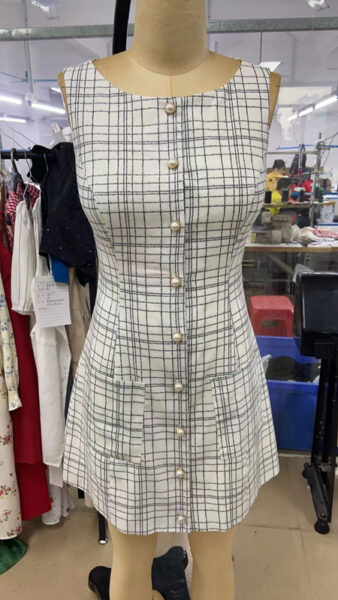
Ask for a clear release statement
Before bulk cutting, obtain a dated decision identifying approved rolls or groups, the minimum usable width, marker revision, planned consumption and any held material. If an exception is accepted, record its order-specific scope, cost implications and responsible approver. An informal chat message saying “width okay” is difficult to reconcile later.
For a new woven dress or women’s wear order, send your tech pack and buying requirements to Mugekoo. Include the mill’s width specification and requested quantities so usable fabric width can be reviewed alongside the quotation and cutting plan.