A clothing production delay recovery plan should explain how an affected order can reach a credible revised delivery date. A promise to “work faster” does not tell an overseas brand, wholesaler or retailer which goods can ship, what remains blocked or what additional cost is involved.
Start with verified order quantities and unfinished operations. Then compare options against the buyer’s selling window and quality requirements. The best recovery route depends on the reason for the delay; additional sewing capacity cannot solve a missing fabric approval or an unavailable zipper.
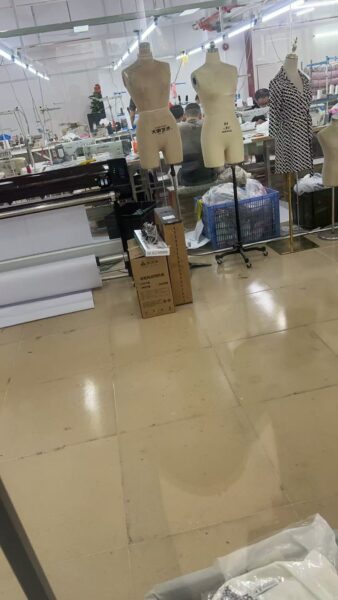
Establish the remaining work before revising dates
Request a dated snapshot by style, color and size showing ordered, cut, sewn, finished, inspected and packed quantities. Keep rejected or repair-pending pieces separate from accepted stock. Confirm which materials are available for the balance and which approvals are still open.
Use the production status report as the evidence source. A recovery plan adds decisions and commitments to that snapshot. Ask the OEM clothing manufacturer to identify the actual blocking operation, affected quantities, responsible owner and earliest supported resolution date.
Calculate from accepted output at the bottleneck
Request recent daily output at the constrained stage, the confirmed resources available and the finishing or inspection capacity downstream. Avoid calculating from an ideal machine count or from the line’s best single day. Separate normal accepted output from units that need repair.
For illustration, 2,400 remaining units at a demonstrated rate of 300 accepted units per working day need eight working days at that stage. That does not automatically mean shipment in eight days: missing materials, finishing, inspection, packing and booking can add dependencies. Treat the figures as a planning example, not a factory capacity claim.
Compare recovery options with their tradeoffs
| Option | Evidence needed | Buyer decision |
|---|---|---|
| Resequence styles | Materials and operations ready for each style | Which products have the highest delivery priority? |
| Add capacity | Confirmed resources, trial output and quality checks | Is the improvement credible and approved? |
| Release a partial shipment | Accepted, complete size and color assortments | Will the first delivery support actual sales? |
| Use faster transport | Ready date, booking availability and comparable quotations | Does the timing benefit justify the added cost? |
Avoid changing several assumptions at once without showing their effect. For example, a plan that depends on both new fabric arriving early and an untested line achieving higher output has two separate uncertainties. Assign a fallback date or alternative to each unresolved dependency.
Protect the product specification during recovery
A late order is not permission to replace trims, alter construction or use an unapproved production site. If a proposed change affects the approved product or factory arrangement, document it and obtain the relevant buyer decision before implementation. Record the order and quantities covered rather than treating one concession as a new general standard.
Use the production change-control process for revisions. Maintain approved fit, labeling and workmanship requirements. Any proposed shortening of the inspection process should be reviewed explicitly; a rushed shipment containing unresolved defects can create a second commercial problem.
Make partial delivery useful to the retailer
Ask whether the first shipment contains workable assortments, rather than simply the easiest units to finish. A retailer may need a complete size curve in its priority color; a wholesaler may need customer-specific packs. Separate the available accepted stock from the commercially useful first-delivery quantity.
Review split-shipment planning for packing, documentation and quantity reconciliation. Agree which balance remains open, which delivery each carton belongs to and how the subsequent inspection and shipment will be handled. Specify whether transport quotations refer to the same scope of service.
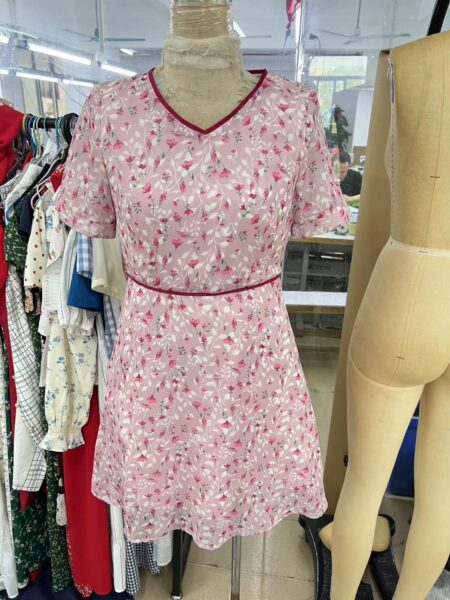
Issue a revised plan with decision deadlines
The plan should retain the original committed dates alongside revised milestones. Show the completion date for the blocking issue, restart date, expected output, finishing, inspection, packing and shipment release. Identify which dates are confirmed and which remain dependent on a supplier, buyer or logistics decision.
Give each open action an owner and deadline. If a buyer must approve a substitute material or partial assortment, explain what happens if the decision is late. Agree an update frequency appropriate to the risk, with evidence of accepted output and remaining work rather than repeated reassurance.
Close the delay with a prevention action
After delivery, reconcile the final shipped quantity, any approved shortfall and the commercial adjustments agreed by the parties. Review why the delay occurred and identify an action for the next order: earlier material reservation, clearer approval deadlines, a more realistic production baseline or a verified capacity check.
Brands preparing a time-sensitive women’s wear program can send your tech pack and buying requirements to Mugekoo. Provide the required delivery window, style priorities and quantity breakdown so a clothing production delay recovery plan, if needed, can be evaluated against the actual buying requirements.