Split shipments in clothing production allow an apparel order to leave the factory in more than one delivery. A retailer might need core sizes first, while a wholesale brand may have different customer delivery windows. The arrangement is useful only when each shipment has a defined quantity, readiness date, inspection status and destination.
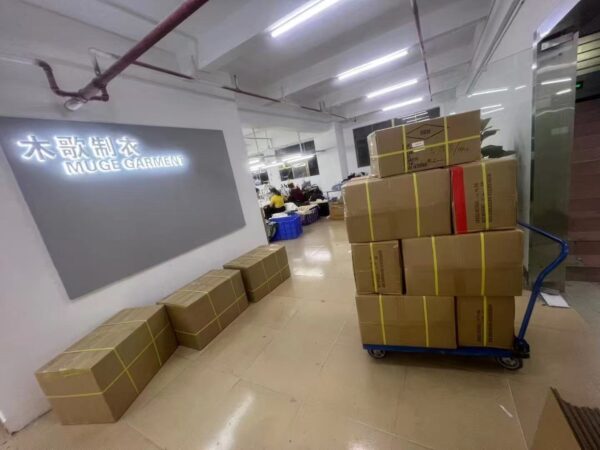
A split should be agreed as a production and fulfilment plan. Treating it as an informal instruction to “send whatever is ready” can leave the first delivery short of key sizes and the remaining order difficult to reconcile.
Define the commercial purpose of each shipment
Start with the customer’s actual receiving need. Does the first shipment support a complete store launch, an online product drop or one wholesale account? List the minimum usable assortment for that purpose. A large number of finished garments may still be unsuitable if an essential size or color is missing.
Then ask the women’s clothing manufacturer which stages can genuinely be separated. Different styles may finish at different times, but garments from one style can share fabric, trims and production operations. An early shipment commitment should reflect material readiness and confirmed factory capacity.
Build these dates into the clothing production calendar, with a separate ex-factory milestone for each batch. Keep dispatch dates distinct from destination arrival estimates.
Create a shipment allocation matrix
Use a single version-controlled allocation sheet. Each row should identify a style, color and size, with separate columns for ordered quantity, shipment one, shipment two and balance. All shipment columns should reconcile to the approved order quantity, including any explicitly accepted quantity variance.
| Control field | Purpose |
|---|---|
| Shipment reference | Connects goods, inspection and packing records |
| SKU quantities | Protects the required size and color assortment |
| Readiness milestone | Shows when inspection and packing can occur |
| Destination and receiver | Prevents cartons being allocated to the wrong delivery |
| Remaining balance | Makes unfinished or held quantities visible |
For illustration, an order of 600 dresses might be divided into 240 and 360 units. Those totals alone are not enough: the buyer must also approve the size and color composition of each part. This is a planning example, not a suggested minimum order or factory commitment.
Agree inspection and release rules for every batch
Identify the inspection lot for each shipment and agree the applicable plan with the inspection provider. A report for one batch should not be treated as automatic approval for garments finished later. If an inspection is carried out before the order is fully packed, state exactly which goods and packing elements the report covers.
Keep approved, pending and held goods distinguishable. The first shipment must not absorb units that were assigned to a later customer’s assortment without an approved allocation change. Record replacements for rejected units so the live balance remains correct.
Ask who signs the release instruction and what documents they need. An early batch should meet the same agreed product specification as the rest of the order.
Keep carton identities and documents separate
Every carton needs an unambiguous shipment reference alongside the normal marks required by the buyer. The carton assortment plan should show the actual contents of that shipment, not a copy of the full purchase order.
Reconcile packing lists, carton counts and shipped quantities before dispatch. Prepare the relevant pre-shipment documents for each consignment and have the logistics provider confirm route-specific requirements. Avoid reusing a document number or quantity total in a way that makes the two consignments appear identical.
When destinations differ, also verify label languages, retailer barcodes and packaging instructions for each allocation. These requirements belong in the approved order file before packing begins.
Confirm the cost and remaining-order consequences
Ask the manufacturer and freight provider to identify any additional packing, handling, storage, inspection and transport costs before authorizing the split. Obtain a revised written quotation for the affected services. There is no universal cost saving from sending a smaller batch early.
Review what the early shipment does to the remaining production schedule. If workers must pause one style to complete an urgent assortment, ask which later milestone moves. Keep the remaining units in the same tracking sheet until final reconciliation, including held goods, approved shortages and replacement production.
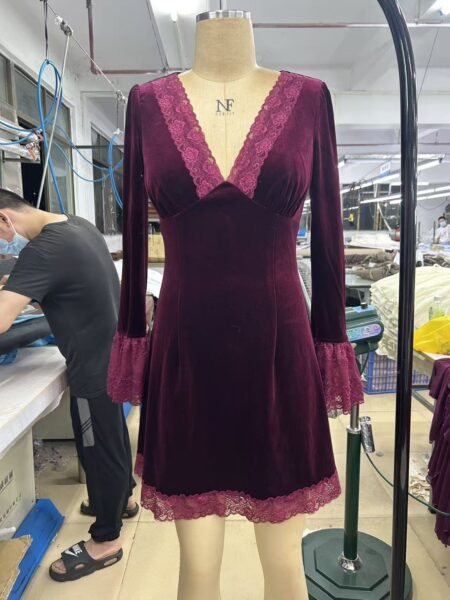
When is a split shipment worth considering?
It is most useful when the early batch has a clear selling or delivery purpose and the remaining order stays viable. It is less useful when the proposed batch is an incomplete assortment or when the saving in selling time is outweighed by extra handling and freight.
To discuss a split shipment with Mugekoo, share the order breakdown and required delivery windows. Include destinations, required first-batch assortment and inspection expectations so the factory can review a concrete plan rather than an open-ended rush request.