A woven dress button placket must look even, close comfortably and remain usable after the garment receives its intended care. For fashion brands sourcing shirt dresses or button-front styles, approving the flat appearance alone can miss problems that appear when the dress is worn, opened repeatedly or washed.
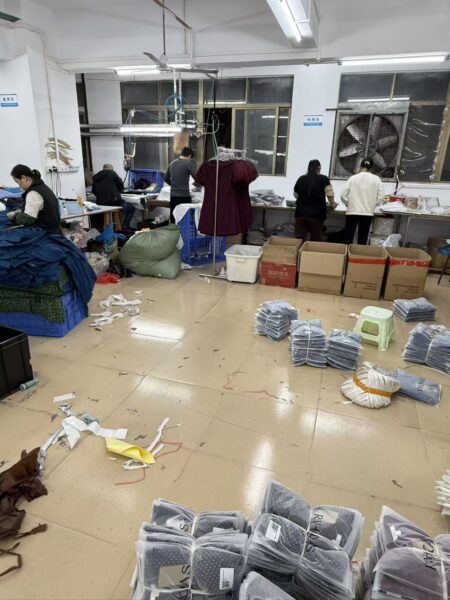
This buyer guide explains what to include in the technical specification and what to review with a woven women’s wear manufacturer before bulk production. The exact construction should be developed for the selected fabric and style rather than copied from an unrelated garment.
Specify the finished placket, not just the sketch
State the placket type, finished width, overlap direction, visible stitching and whether the opening is fully functional. Mark the first and last functional buttons, the button count and placement references. Distinguish decorative buttons from closures so the factory can plan the operations correctly.
The specification should identify the approved button, buttonhole appearance and reinforcement arrangement. If a concealed placket is required, show how the cover sits when closed and how much access the wearer has to the buttons. A photograph can support the specification but should not replace measurements and construction details.
Connect these details to the approved woven dress pre-production sample so the sewing line works from one current reference.
Check overlap and gaping on the intended fit
Review the closed dress on the intended fit model or an appropriate fitting form, followed by the agreed movement checks. Observe the bust, waist and hip areas while standing and sitting. Ask whether the placket stays aligned and whether the gaps between buttons expose more than the design intends.
Gaping can involve garment ease, button position or the construction of the front. Adding another button without reviewing the fit may hide a symptom while leaving strain elsewhere. Ask the pattern and sample teams to establish the cause before approving a change.
Review relevant sizes rather than assuming the button arrangement on the base size works unchanged throughout the range. Any adjustments should be documented with placement references that the production team can measure consistently.
Trial the actual fabric, interlining and button together
The placket is a layered assembly. Assess whether its support is sufficient without making it noticeably stiffer or bulkier than the surrounding garment. The interlining and fusing approval should include the actual shell fabric and the intended care process.
Make buttonhole trials using the production layers, thread and button. Check opening size, stitch coverage, cut cleanliness and appearance from both sides. The button should pass through without excessive force and remain secure when closed. Do not set one universal hole length for different button shapes and thicknesses.
AMANN’s technical discussion of eyelet buttonholes explains that the result depends on the combined material, thread and machine setup. Its specific eyelet guidance is not a prescription for every dress buttonhole; the useful purchasing principle is to approve the complete trial assembly.
Use measurable checkpoints during bulk sewing
| Checkpoint | What to compare |
|---|---|
| Placket width | Finished width at the agreed measuring positions |
| Button alignment | Closure locations against the current approved specification |
| Buttonhole finish | Clean opening, secure stitching and absence of fabric damage |
| Front appearance | Even overlap, smooth edges and consistent topstitching |
| Functional use | Opening, closing and movement against the agreed checks |
Agree tolerances with the manufacturer and show the measurement method. A nominal dimension without a measuring reference can produce inconsistent inspection results. Check representative production pieces early enough to correct settings before the same issue spreads through the order.
The factory’s inline inspection process should record the affected style, batch and operation when a defect is found. Recheck the next output after correction instead of assuming that a machine adjustment solved the problem.
Review the placket after the intended care process
Compare the cared-for sample with the original approval reference. Check distortion, surface bubbling, edge rolling, button appearance and the ease of opening and closing. Measure relevant dimensions again using the same method, and record the actual care procedure used.
Keep trial outcomes specific to the tested material combination. If the fabric, interlining or button changes, ask which approvals need repeating. A visually similar replacement may behave differently once sewn or cared for.
What should buyers send with an enquiry?
Provide front and inside construction drawings, button details, fabric information, the size range and the intended care instruction. Include the target appearance and any known fit concern, such as gaping at the bust. Ask the factory to identify what needs a physical trial before it confirms bulk feasibility.
For a new style with Mugekoo, submit the dress tech pack and placket references. A documented trial and a clear approval sample give both the buyer and production team a practical standard to follow.