Deadstock fabric for small-batch clothing can help a brand develop a limited women’s wear collection using material that already exists. The purchasing decision still needs to answer a practical question: is there enough suitable, verifiable fabric to make the approved garments consistently?
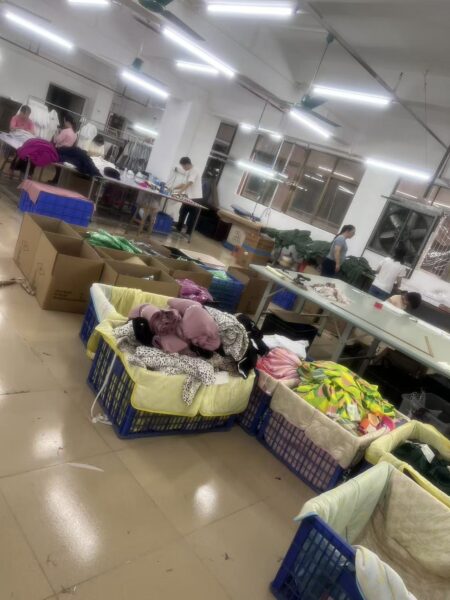
For a custom women’s clothing manufacturer, an available roll is only one part of the production plan. Usable width, defects, shade groups, sample consumption and cutting requirements determine what that roll can actually produce. Buyers should establish those facts before promising a launch quantity.
Clarify what the supplier means by deadstock
The label is used for different types of surplus material. Ask whether the fabric comes from a cancelled order, unused production stock, a discontinued line or another source. Record the supplier’s description and supporting information instead of treating the label as proof of origin or performance.
The New Craft House’s explanation of its deadstock sourcing highlights limited availability and distinguishes it from fabric deliberately produced as overstock. That describes its own sourcing approach; another seller’s stock should be assessed on its own evidence.
Request roll identifiers, composition information, width, finish, quantity and storage condition. If an important material property is undocumented, agree how it will be verified before approving the fabric for a commercial style.
Separate nominal stock from usable stock
A supplier’s meterage figure is not automatically the quantity available for production. Some material may be reserved, split across shade groups or unusable because of defects. Ask the factory to inspect the proposed rolls and map the usable quantity by roll before confirming the garment order.
The existing fabric inspection process should still apply. Check whether samples came from the same stock that will be delivered. A clean swatch does not establish the condition of the entire lot.
For a woven dress, consider directional print, pattern matching and usable cutting width. These can change consumption even when the fabric weight and nominal width look similar to an earlier order.
Calculate a conservative production quantity
Use an approved marker or a factory consumption estimate based on the actual style, size ratio and usable width. Deduct fabric required for development samples, testing and agreed repair reserves before calculating the production quantity.
For illustration, suppose 360 meters remain usable after inspection, with 24 meters reserved for samples and agreed contingencies. If the approved planning consumption is 2.1 meters per dress, the remaining 336 meters supports a planning estimate of 160 dresses. This is only an example: actual cutting results, shade allocation and the size ratio must still be checked.
Review the fabric consumption assumptions with the manufacturer. Keep allowances clearly identified so they are neither omitted nor deducted twice.
Approve the fabric in the finished garment
Make a representative sample using the proposed production fabric and relevant trims. Evaluate drape, opacity, seam appearance, pressing response and fit. Agree the testing needed for the intended product and market with an appropriate provider; avoid selecting a fabric solely because it feels good in a swatch.
If the lot contains distinct shade groups, decide whether they can be assigned to separate garments or styles. Do not mix visibly different panels within a garment. Record the accepted shade range and the lot used for the approved sample.
| Buyer checkpoint | Decision required |
|---|---|
| Stock identity | Which exact rolls are being purchased and reserved? |
| Usable quantity | What production quantity does the inspection support? |
| Material approval | Which sample and test results authorize cutting? |
| Shortfall plan | Will the order be reduced, redesigned or separately resourced? |
Plan for limited repeat availability
Deadstock is a better fit for a deliberately limited collection when repeat supply cannot be confirmed. If the product is intended as a permanent bestseller, ask whether matching material is replenishable and what evidence supports that answer. Similar fabric offered later may require a fresh sample and approval.
Buying existing stock also does not remove the factory’s garment-production constraints. Discuss fabric MOQ and garment MOQ separately, including the size and color breakdown. The economics of sewing a style remain relevant even when the material has already been made.
Prepare a useful sourcing enquiry
Send the manufacturer fabric photos, roll data, available meterage, intended styles, size ratio and target quantity. State whether the collection is limited or expected to be reordered. Ask for a written feasibility review before arranging bulk cutting.
When approaching Mugekoo, share the available fabric details and your collection brief. Keep any sourcing or environmental claims tied to documents you actually hold. A clear stock record and realistic production quantity give buyers a stronger basis for approval than the deadstock label alone.