An OEM clothing manufacturer production status report gives overseas buyers a structured view of an order while there is still time to solve problems. A useful report is more than a percentage-complete update. It connects materials, cutting, sewing, finishing, quality and packing to the agreed shipment date.
Weekly reporting is common for standard orders, while urgent or high-volume programs may need more frequent updates. The right format should be short enough to maintain consistently and detailed enough to reveal risks before they become delays.
1. Start with the approved order baseline
Every report should identify the purchase order, style, color, size range, ordered quantity, ex-factory date and current report date. It should also show the latest approved specification and sample reference. Without this baseline, a percentage cannot tell the buyer whether production is following the correct version.
Planned dates should match the agreed women’s clothing production calendar. If the factory changes a milestone, the report should show both the original and revised dates instead of silently replacing the plan.
2. Report material readiness by component
Show the status of bulk fabric, lining, labels, zippers, buttons, packaging and other critical components. “Materials ready” is too broad when fabric is in-house but one branded trim is still missing. Buyers need the quantity received, inspection status and any outstanding balance that can affect the line.
The material section should connect to the fabric booking plan and identify late approvals, supplier delays or replacement lots. Where different lots are used, retain the references needed for material traceability.
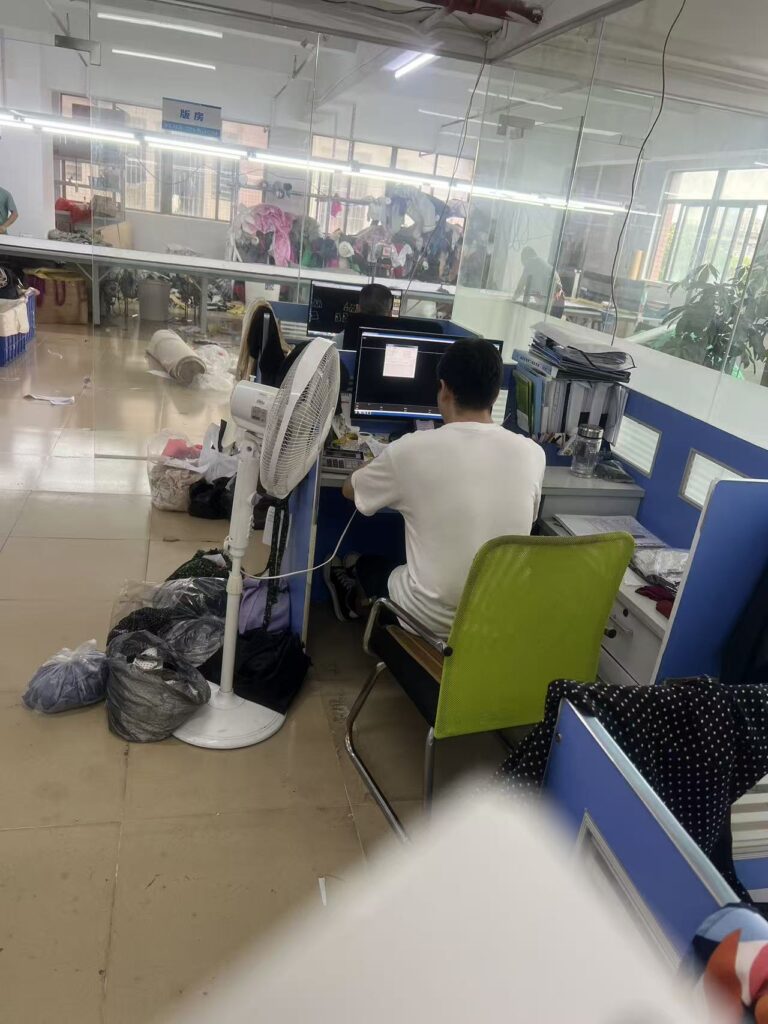
3. Separate cutting, sewing, finishing and packing quantities
For each style and color, list quantities cut, input to sewing, sewn, finished, inspected and packed. These figures should not be combined into one completion percentage. A style can appear nearly finished while most units are still waiting for pressing, repair or final inspection.
Compare cumulative output with the plan and show the remaining quantity. When a bottleneck appears, identify the operation and expected recovery date. This makes the report useful for decisions rather than simply documenting what already happened.
4. Include quality findings and corrective action
Report recurring defects, affected quantities, corrective actions and recheck results. The buyer does not need every minor internal note, but should see any issue that could affect fit, appearance, safety, packing or delivery.
The production update should summarize the latest inline inspection, including open items and the next verification point. Avoid reporting a problem as closed until the corrected output has been checked.
5. Show shipment risks with an owner and deadline
A clear risk table should state the issue, impact, responsible party, required action and target date. Examples include a short fabric lot, pending artwork approval, low sewing output, failed measurement check or missing carton marking information.
Use simple status categories such as on track, attention needed and critical. Color labels can help, but the written action and deadline are more important than the color itself.
Use evidence without creating reporting overload
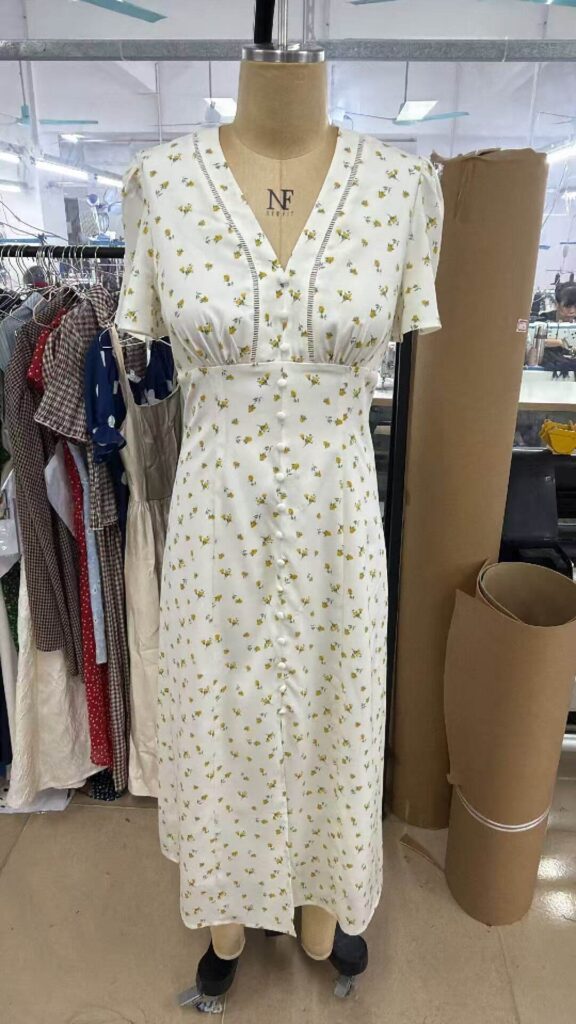
Numbers are easier to trust when the report includes selective evidence. Ask for dated photos of fabric arrival, cutting, line output, finishing and packed cartons at agreed milestones. The images should support the reported status rather than replace quantity records. For important delays, a short note explaining the cause, affected styles and recovery capacity is more useful than daily photo messages. Keep the reporting template stable from one order to the next so buyers can compare progress and identify repeated bottlenecks.
What buyers should ask for
Request one consistent file or dashboard with a dated snapshot, not a collection of unconnected chat messages. The factory should keep historical reports so both parties can trace when a risk first appeared and how the plan changed.
An OEM clothing manufacturer production status report creates accountability without forcing the buyer to micromanage the factory. It should make three answers immediately visible: what is complete, what is blocking the order and what will happen next. To define a reporting format for an upcoming program, share the order structure through the contact page.