Women’s clothing manufacturer thread selection affects seam strength, appearance, machine performance and the way a garment behaves after wear and care. Thread is inexpensive compared with fabric, but an unsuitable choice can create skipped stitches, seam puckering, color mismatch or premature seam failure across an entire order.
Buyers do not need to specify every technical thread parameter. They should, however, confirm how the factory matches thread to the fabric, seam type, garment use and approved sample before bulk production begins.
Start with the fabric and end use
Thread should be selected after the production fabric is confirmed. Lightweight viscose, crisp cotton poplin, textured polyester and stretch woven fabric do not all respond to the same thread and needle combination. The factory should consider fiber content, fabric weight, density, elasticity, finish and the expected care method.
Construction also matters. A decorative topstitch may need a different appearance and thickness from an internal joining seam. High-stress areas such as armholes, side seams, pocket openings and fastener points need enough strength without creating stiffness or visible ridges.
Approve color under production conditions
Thread color should be checked against the bulk fabric, not only a lab dip or screen image. Ask whether the design requires a tonal match, contrast stitching or a special visual effect. On printed or mélange fabrics, agree which ground color the thread should follow.
If bulk fabric includes acceptable shade variation, confirm whether one thread shade can work across all approved lots. This decision should align with the shade band approval process so the sewing room does not change thread informally between bundles.
Test thread, needle and machine settings together
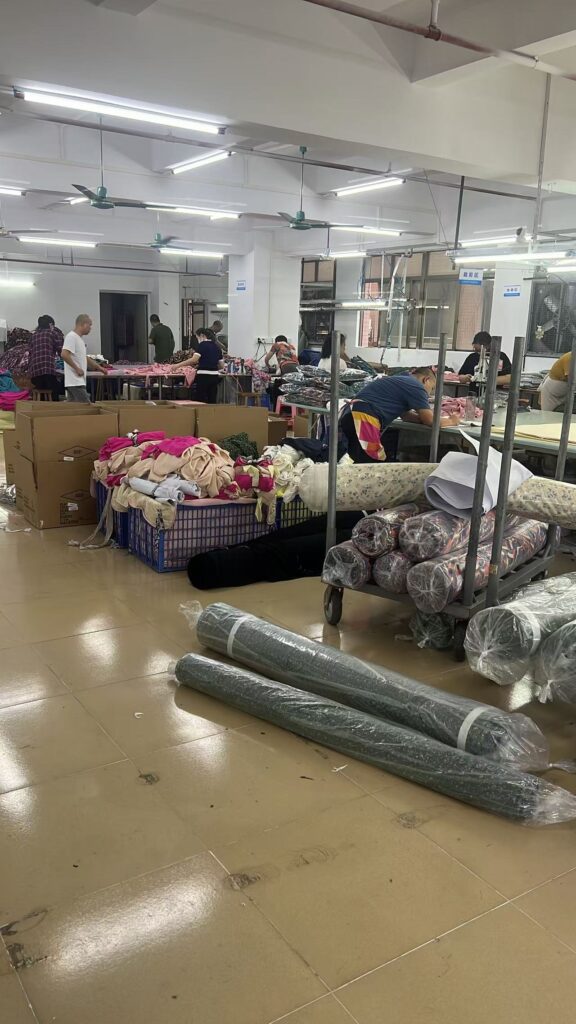
Thread performance cannot be reviewed in isolation. Needle size, stitch type, stitches per inch, tension and machine speed influence the final seam. The factory should run a sewing trial on the actual bulk fabric and inspect both the face and reverse sides for puckering, damage, loose loops or skipped stitches.
The approved combination should be included in the sewing line setup. If operators or machines change during production, the supervisor should confirm that the same seam appearance and performance are maintained.
Confirm the reference before bulk sewing
Use the approved production sample to lock visible thread color, topstitch width and important seam details. The top of production sample gives buyers a practical reference for how these decisions appear on the actual line.
For styles with multiple colors, prepare a simple thread chart showing fabric color, thread supplier reference, internal seams, visible stitches and any contrast details. This prevents a correct thread from being applied to the wrong colorway.
Monitor thread-related defects during production
Inline checks should look for broken thread, uneven tension, seam grin, skipped stitches, excessive needle holes and color changes between bundles. A defect that repeats on several garments usually signals a process issue rather than an isolated operator mistake.
Include thread checks in the inline inspection plan, then verify correction on the next production bundle. At final inspection, compare visible stitching with the approved sample and review high-stress seams by size.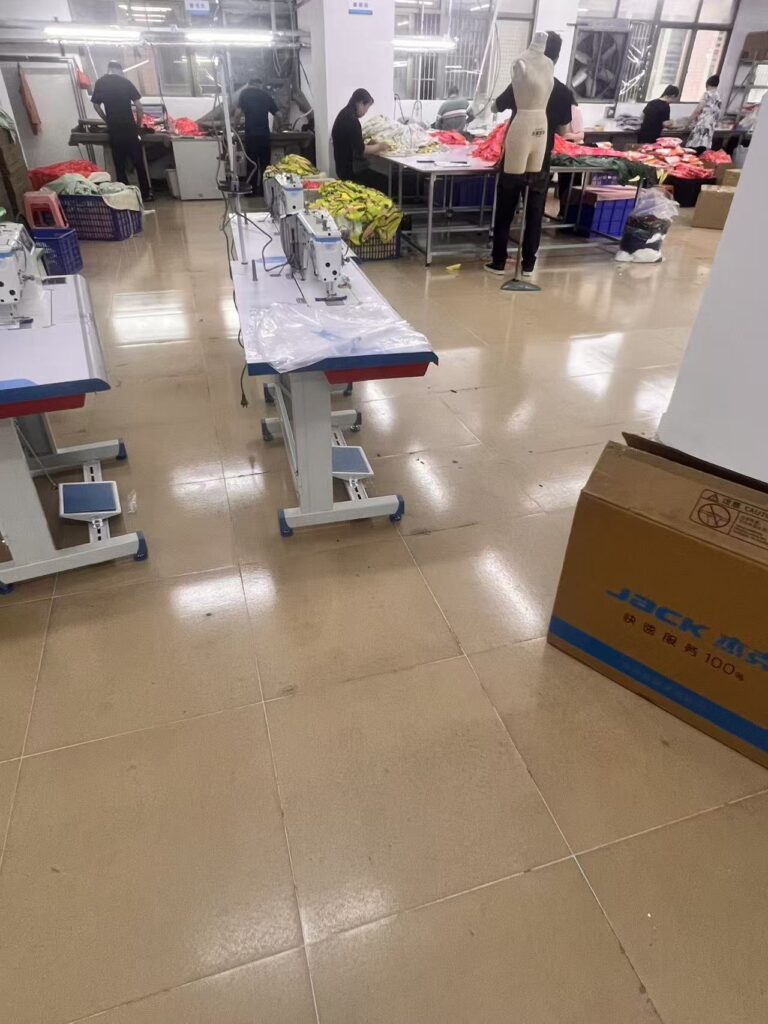
Manage thread lots and storage
For longer or repeat orders, ask the factory to record the approved thread supplier, reference, dye lot and quantity received. Replacement cones should be checked before entering the line because a nominally identical color can appear different under production lighting or after pressing. Thread should also be protected from dust, moisture and direct sunlight. These simple controls help the next delivery match the original order and give the buyer a clear reference if a seam issue appears after shipment.
Buyer approval checklist
Before bulk production, confirm the thread type and color, visible stitch appearance, machine and needle trial, colorway chart, replacement rule and inspection points. These controls also belong in the broader garment quality control checklist.
Women’s clothing manufacturer thread selection is most reliable when it is treated as a tested production specification rather than a last-minute factory choice. To review thread and seam requirements for a new collection, share the fabric and construction details through the contact page.