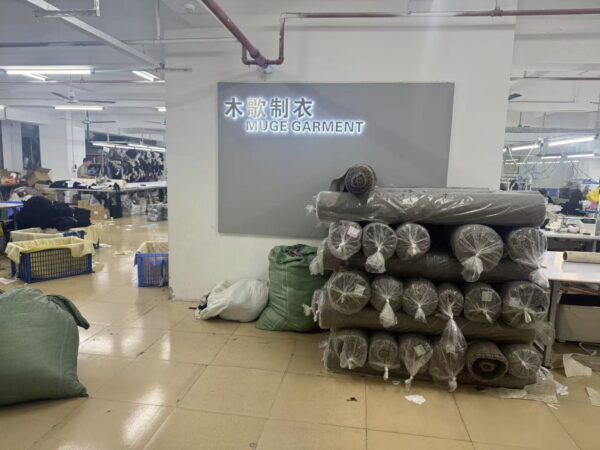
Fabric tear strength testing assesses resistance to the continuation of a tear under a defined procedure. For woven women’s clothing buyers, it is a material approval question that should be settled before fabric is committed to cutting. The result is different from seam strength, seam slippage or fabric tensile strength. A useful request identifies the fabric, relevant directions, method and acceptance criteria so the supplier and buyer can interpret the same evidence.
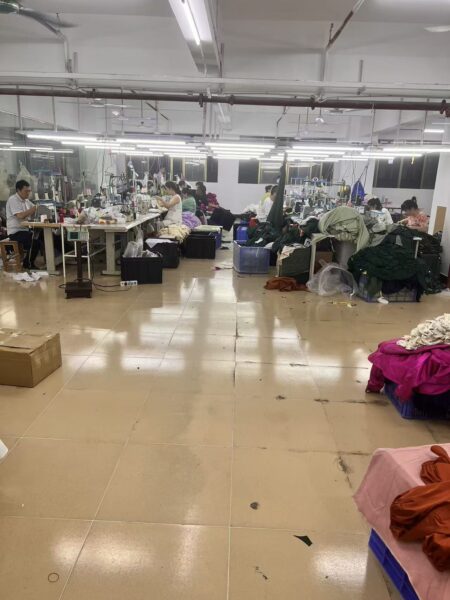
Define the material concern
State the garment application and why tear performance matters to the buying decision. Identify the proposed fabric construction, composition, weight and finish. Record whether the material will be used in a fitted dress, loose blouse, trousers or another product, together with any particular area of concern.
A tear result should not be used as a substitute for every other strength assessment. The garment seam strength guide addresses a sewn construction; this article concerns the fabric itself. Keep those approval decisions separate so a passing material report does not automatically release an untested seam arrangement.
Choose a suitable method with the laboratory
Ask the laboratory to confirm method applicability for the material. ISO 13937-2 identifies a single-tear method using trouser-shaped specimens. That specimen name describes the test shape, not a restriction to trouser fabrics. Other tear methods use different arrangements, and their results should not be treated as interchangeable without technical review.
Confirm the required method, edition, specimen preparation, equipment and reporting units before requesting testing. Use the laboratory’s controlled procedure for execution. This purchasing checklist does not prescribe a shortcut test or a universal force requirement for every women’s clothing fabric.
Identify directions and representative lots
Request the directional testing required by the selected method and specify how the directions will be labelled in the report. For woven material, clarify the relationship between the specimen orientation and yarn direction rather than relying on an unexplained “length” or “width” label.
Identify the rolls, colors and finishing lots represented by the specimens. If materials vary between colorways, ask whether separate testing is necessary. Follow a documented selection plan; testing one development swatch does not establish that every later bulk lot has the same performance.
Approve criteria before reading the results
Record acceptance limits and any required rules for individual results or reported summaries. Agree who determines acceptance and how borderline or invalid results are handled. The buyer’s technical team and laboratory should confirm that the criteria match the intended product and chosen method.
A number without its test conditions and specimen identity is incomplete evidence. Review the report using the textile test report checklist. Check whether the tested fabric corresponds to the purchase specification and whether any specimen behavior or procedural qualification affects interpretation.
Keep finishing and care states identifiable
State whether testing applies to the material as received, after finishing or following an agreed care treatment. Compare the same material state when reviewing supplier and buyer reports. Record any required conditioning and treatment information through the testing team.
Coordinate this requirement with the wash-care testing plan where post-care evaluation is part of the order. A result on an unfinished trial fabric should not silently replace the required evidence on the proposed finished bulk material.
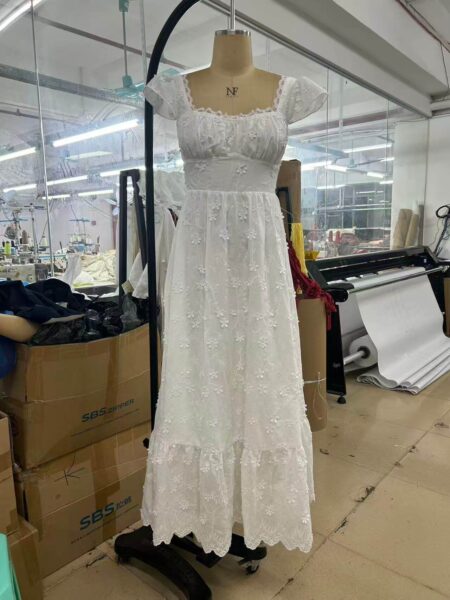
Investigate a failure before choosing a fix
First verify the sample identity, method, direction, material state and criteria. Ask the supplier and laboratory to review possible material or processing differences. A change in fabric construction, finish or source may need to be investigated, but no single change should be assumed to resolve the issue without evidence.
If an alternative is proposed, assess its appearance, drape, cost and care implications as well as tear performance. Retest representative material under the agreed conditions. Keep the rejected material and approved replacement clearly identified so the purchasing team does not release the original fabric by mistake.
Carry the decision into bulk material release
Connect the approved report and physical reference to the material code and lot records. Agree which incoming deliveries need testing or verification, who holds unresolved lots and who may authorize release. Place this checkpoint within incoming fabric inspection before bulk cutting creates avoidable exposure.
For a woven women’s wear enquiry to Mugekoo, provide the design, fabric specification, intended quantities and buyer performance requirements. Ask the factory to confirm the proposed material approval and testing sequence. Documenting tear criteria early makes the result useful for procurement without implying a guarantee against every possible damage event.