Fabric abrasion testing evaluates how a textile responds to repeated rubbing under controlled conditions. For women’s clothing buyers, the practical purpose is to compare a proposed material with the product’s agreed performance requirements. A fabric can remain attractive at the sample stage yet need a closer assessment for repeated contact in wear. The testing plan should identify the relevant endpoint, method and material, rather than request an unexplained “abrasion pass.”

Separate abrasion from other surface tests
Abrasion, pilling and snagging describe different concerns. Rubbing damage can involve wear or breakdown, while pilling concerns the formation of visible pills and snagging concerns pulled threads or loops. A single report should not be interpreted as approval for all three properties.
Use the fabric pilling testing guide where pills are the issue. For abrasion, state what the buyer needs to assess: material breakdown, an appearance change or another defined result. A clear question helps the laboratory select a test that supports the purchasing decision.
Confirm method scope and the endpoint
ISO 12947-2 addresses specimen breakdown using the Martindale method. Its public scope excludes coated fabrics, including laminated fabrics, so a buyer should check applicability rather than assign the method automatically to every textile. The laboratory should confirm the appropriate method for the proposed construction.
Identify the method edition and whether the request concerns breakdown or a different assessment such as appearance change. Specify reporting expectations with the laboratory. Do not compare two reported cycle counts unless they represent comparable procedures, conditions and endpoints.
Choose material that represents the order
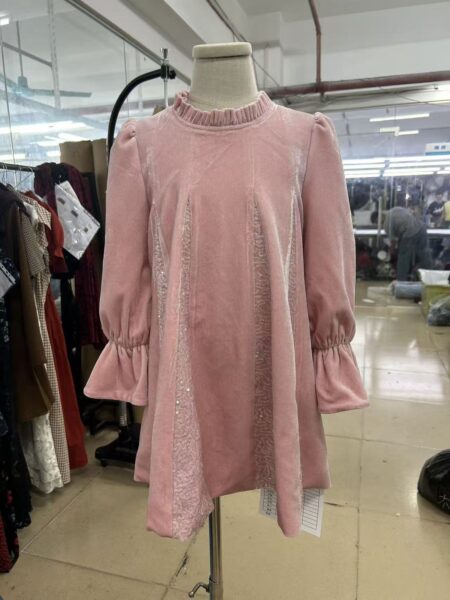
Record fabric code, composition, construction, weight, color and finish. Identify the lot and sample stage, and explain whether the submission represents a development option or actual bulk material. Where colorways or finishes differ, ask whether they need separate testing.
Confirm the specimen selection plan before testing. A convenient leftover swatch may not represent the delivery being approved. Keep the test submission connected to the fabric sourcing record, with photographs or labels that allow the buyer to identify the material without guessing.
Set acceptance criteria for the intended product
Agree the required result, any appearance expectations and how the reported findings will be judged. There is no universal cycle count in this guide that establishes suitability for every blouse, dress or trouser fabric. The criteria should reflect the buyer’s product program and the selected procedure.
State who can approve exceptions and what further evidence is needed for a borderline finding. Avoid changing the target after receiving a result solely to release the order. If the criteria were unclear, resolve them with the technical team and supplier before using the report as bulk acceptance evidence.
Read the conditions alongside the result
Check the procedure, endpoint, specimen identity and relevant setup details recorded by the laboratory. Confirm any conditioning or pretreatment requirements. Determine whether the result means breakdown occurred, the stated exposure was completed without breakdown, or another observation was reported.
Use the textile test report review checklist to identify missing information. A statement that a sample completed a certain exposure does not automatically reveal its ultimate wear limit. Ask the laboratory to clarify ambiguous wording rather than inferring more than the report establishes.
Review a proposed material change as a new approval
If performance is unsuitable, investigate the sample identity and test conditions first, then discuss material or processing options with the supplier. Any change to construction, yarn, finish or source may affect properties beyond abrasion. Request a representative replacement submission and the relevant retest.
Compare the revised fabric’s appearance, drape, hand feel, care behavior and price with the original product brief. Keep the decision documented. An improvement in one test should not silently authorize a different garment appearance or compromise another agreed material requirement.

Use results to control bulk release
Connect the approval report to the actual material code and lot records. Agree when incoming deliveries require confirmation, additional sampling or a hold. Incorporate the checkpoint into incoming fabric inspection so unresolved material is reviewed before cutting rather than after garments are assembled.
When discussing a women’s clothing project with Mugekoo, provide the design, fabric specification, quantities and buyer test requirements. Ask the factory to confirm material availability and the approval sequence. Laboratory abrasion results support a defined material decision; they should not be converted into an unsupported promise of a specific number of wearing days.