Garment carton drop testing helps buyers assess how a packed shipping carton responds to defined handling impacts. For overseas clothing brands, wholesalers and retailers, the decision concerns the complete packed arrangement, including the garments, inner packaging and carton closure. A strong-looking empty box is not evidence that a shipment will arrive as intended. Plan the test before bulk packing so any required revision can be approved without delaying dispatch.
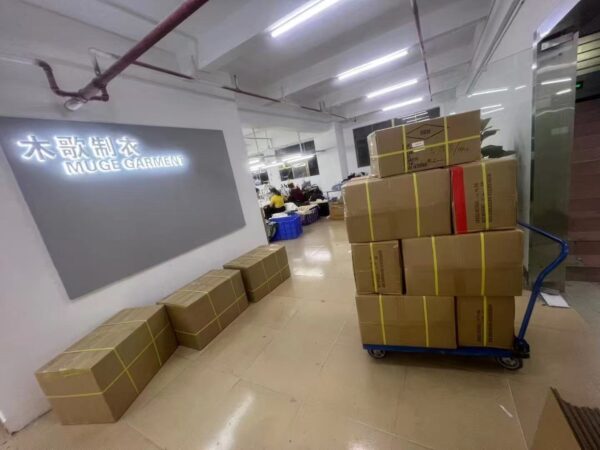
Describe the actual distribution route
Identify whether cartons will travel as individual parcels, remain on pallets or be separated during distribution. Record expected handling points, delivery arrangements and any customer packaging specification. Explain whether the test is a development screening exercise or part of a formal performance requirement.
ISTA’s packaging design and testing guidance emphasizes understanding the distribution environment when selecting a protocol. Ask a qualified laboratory to choose a suitable current procedure; do not assign a generic drop sequence simply because another clothing order used it.
Test the production-representative packed carton
Record carton dimensions, material specification, gross mass, garment count, assortment, folding arrangement, inner bags, inserts and closure method. Use the proposed packing materials and an agreed representative load. If hangers or other components are included, document their position and protection.
Connect the packed sample to the carton assortment matrix. Testing a lightly filled sample does not automatically approve a heavier mixed-size carton. Ask whether different carton sizes or load arrangements require additional representative samples.
Agree damage and acceptance criteria in advance
Define acceptable packaging deterioration separately from unacceptable product damage. State how carton openings, inner bag damage, garment contamination, broken accessories, unreadable labels or loss of packing order will be assessed. The criteria should reflect what the receiving buyer needs, not only whether the box remains in one piece.
Decide who may accept a minor cosmetic carton change and what requires a revised design. Include photographs or descriptions where useful. An instruction that the carton must “pass” is incomplete if the team has not agreed what damage constitutes failure.
Confirm the full protocol rather than only a drop height
The laboratory should confirm the applicable procedure, sample requirements, conditioning, impact orientations, sequence and other required elements. A drop height alone does not describe a complete transport test. Record the procedure version and any customer-specific additions before preparing the samples.
ISTA distinguishes different purposes and levels of testing in its test procedure catalogue. Where a full protocol is required, completing an isolated drop exercise should not be labelled as completion or certification of that protocol. This buyer guide does not prescribe numerical test levels.
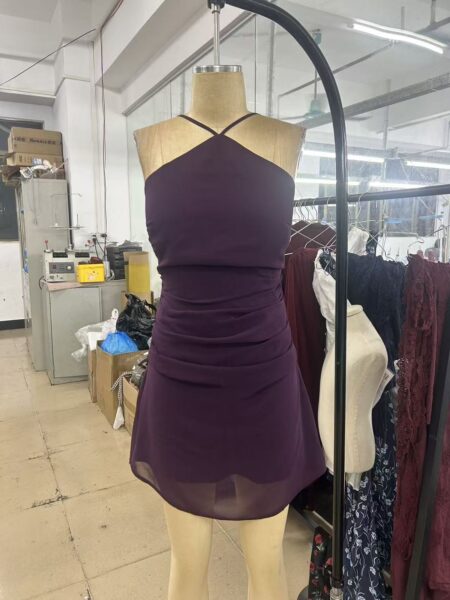
Keep sample condition and observations traceable
Photograph the packed arrangement and sealed carton before testing. Identify the sample and record visible changes as the procedure permits. Follow the laboratory’s instructions about opening or handling packages during the sequence; intermediate inspection can change the condition being tested.
At the authorized inspection stage, review the contents as well as the exterior. Confirm labels remain readable and garments retain the agreed packing arrangement. Keep moisture concerns within the separate garment packaging moisture-control plan; a drop test does not establish protection against every transit hazard.
Revise packaging based on the observed failure
Identify whether the issue involved the carton, closure, interior movement, an accessory or another component. Ask the packaging supplier and factory to propose a specific correction, then evaluate its effects on weight, cost, carton capacity and receiving operations. More material is not automatically the best solution.
Prepare a new representative sample for the agreed retest. Keep each packaging revision identifiable and record which arrangement was accepted. Coordinate any change through production change control so bulk packing follows the tested design rather than an earlier instruction.
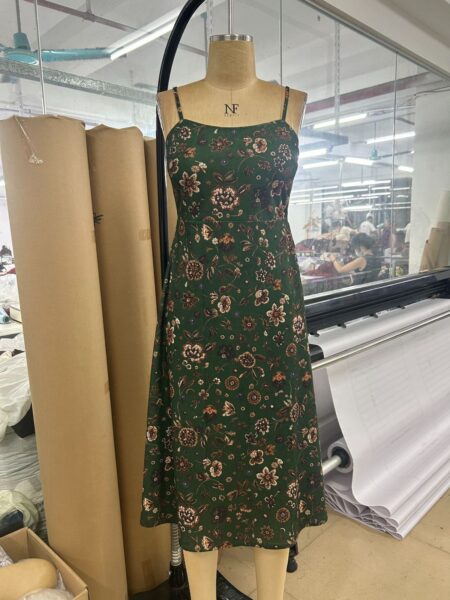
Release the packing specification with the order
Keep the approved carton specification, packing diagram, closure instructions, sample identification and report together. Before dispatch, verify that actual materials and loads match the approved arrangement. A passing development test is of limited value if bulk cartons use different board, tape or contents.
To plan shipment packaging with Mugekoo, provide carton requirements, destinations, garment quantities and any buyer protocol. Include packaging deliverables in the purchase order checklist. Ask the factory to confirm sample preparation and testing responsibilities, while recognizing that no single test guarantees the outcome of every real shipment.