Customer-supplied fabric lets a clothing brand nominate and purchase its own material while a garment factory handles agreed production work. This can suit a women’s wear collection with an established mill relationship or a specific fabric already approved by the brand. The arrangement needs a clear handover: ownership of the fabric does not, by itself, define who checks it or who authorizes cutting.
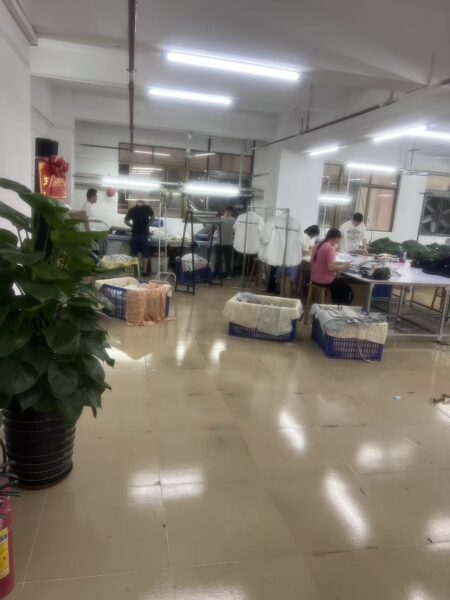
Before sending rolls to a custom women’s clothing manufacturer, agree the receipt, inspection and consumption records. These controls help both sides distinguish a material shortfall from a cutting problem and prevent a delivery date being promised against fabric that is not ready to use.
Define the service scope before delivering fabric
List what the brand supplies and what the factory supplies. Include shell fabric, lining, interlining and trims separately. State who arranges transport, who performs incoming inspection, who requests testing and who approves replacement material. Confirm the named person who can release fabric for cutting.
The CMT versus full-package production guide provides context for choosing a service model. Within that model, the actual purchase order still needs an explicit scope. Do not assume that a sewing quotation includes material inspection, testing or storage unless those services are listed.
Create a roll-level handover record
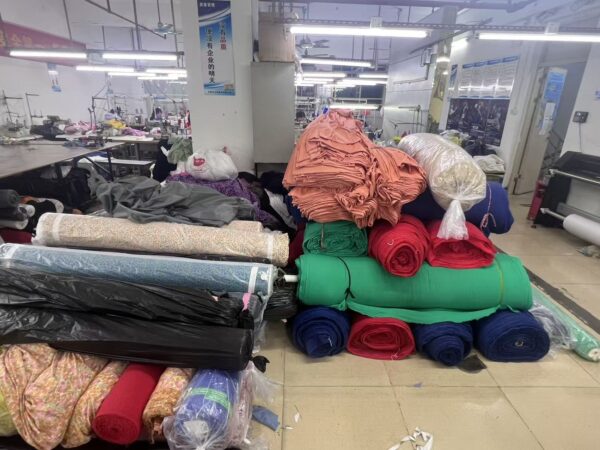
Send the packing list before dispatch and ask the factory to record what arrives. Each roll should retain a unique identifier that connects it to the supplier, fabric code, shade or dye lot and stated quantity. Record damaged wrapping, unclear labels and discrepancies at receipt, before the roll moves into production storage.
| Handover field | Why it matters |
|---|---|
| Fabric and roll ID | Connects receipt, inspection and cutting records |
| Supplier quantity | Provides the starting figure for reconciliation |
| Received and usable quantity | Separates delivery discrepancies from inspection losses |
| Shade group | Helps keep garment panels consistently allocated |
| Release status | Shows whether the factory may cut the material |
Receipt is an acknowledgement that goods arrived. Keep it separate from technical acceptance. A signed delivery note should not be used as evidence that the fabric passed every agreed quality check.
Approve usable stock before confirming garment quantity
Apply the agreed incoming fabric inspection to the supplied stock. Confirm usable width, defects and shade allocation. Establish which material properties need testing for the intended product; the supplier’s swatch or earlier laboratory report may not represent the delivered lot.
The garment quantity should be based on actual usable stock and an approved consumption plan. Account for development samples, testing, pattern matching and agreed repair reserves. Identify the allowances clearly to avoid either omitting them or counting them twice.
For example, a brand may deliver enough nominal meterage for 400 dresses but discover that one shade group cannot be mixed with the others. The decision might be to reduce a color allocation or obtain replacement fabric. It should be made before cutting commits the material to a particular size assortment.
Make cutting approval a distinct decision
Ask the factory to report the inspection result, available quantity and proposed allocation together. Give written approval against the current style, sample revision and size ratio. Where a roll is conditionally accepted, define the exact restriction, such as excluding a damaged section or using a shade group only for complete garments.
Keep material traceability through cutting and sewing. If a later defect occurs, the factory should be able to connect affected garments to the relevant rolls and operations without treating the whole order as one unidentified batch.
Agree how shortages and remaining fabric are handled
Set a reporting point before stock runs out. Ask for ordered garment quantity, completed cutting quantity, remaining usable fabric and the reason for any variance. Distinguish a revised estimate from an actual measured loss. No substitute fabric should enter the order without approval.
At completion, reconcile fabric received, material used, documented waste and remaining stock. Agree whether unused rolls, usable remnants and rejected fabric will be returned, stored or otherwise handled. Record quantities and instructions rather than relying on an informal promise to keep leftovers for a reorder.
What to include in your enquiry
Provide the fabric specification, supplier details, available quantity, roll breakdown, intended styles and size ratio. Include the delivery plan and ask the manufacturer to identify checks required before confirming production feasibility. Avoid treating the planned fabric arrival date as automatic authorization to start cutting.
When contacting Mugekoo, send your fabric details and production brief. Ask for a written review of the proposed customer-supplied material arrangement, including inspection scope and responsibility for resolving shortages.