Fabric fiber composition testing helps clothing buyers verify the material information supplied for a production order. A hand-feel impression or fabric trade name does not establish which fibers are present or their proportions. For overseas women’s clothing brands, the useful task is to connect the proposed specification, submitted specimen and laboratory report. This guide concerns material verification for sourcing and production approval, rather than a complete market-specific labeling compliance assessment.
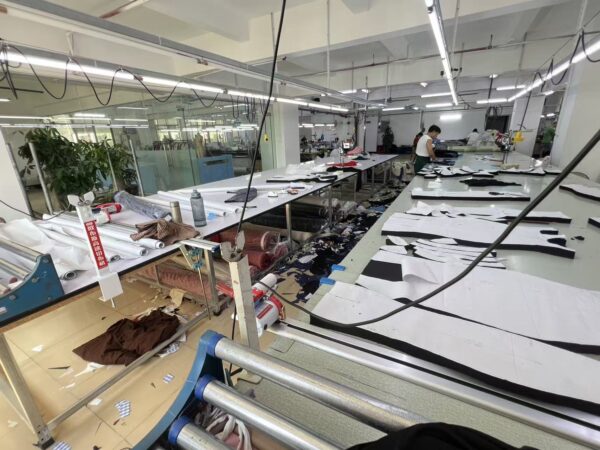
Record the proposed composition precisely
List the supplier’s declared fiber names and percentages alongside fabric code, construction, weight, finish and color. Identify the material component: shell, lining, pocketing or another layer. A garment containing several fabrics should not be described by one unexplained composition statement.
Ask the supplier which records support the declaration and whether the material code has changed since sampling. Keep the information in the fabric sourcing file. A familiar commercial name can describe appearance or product positioning without being sufficient evidence of fiber content.
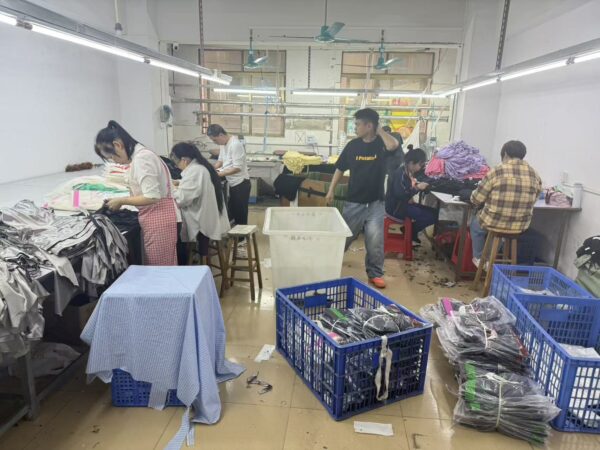
Distinguish identification from quantitative analysis
Confirm whether the buyer needs fiber identification, measured proportions in a blend or both. Ask a qualified laboratory to select a suitable method for the declared materials and identify any limitations before the sample is submitted.
Intertek’s fiber analysis laboratory describes identification and examination across natural fibers, manufactured fibers and blends, with specialist interpretation of results. The purchasing implication is to request the analysis appropriate to the material, not to substitute an informal visual judgment for a laboratory determination.
Keep specimen identity connected to the order
Label each submission with the fabric reference, component, color, lot and sample stage. State whether it is a development swatch or actual bulk material. Where components need different analysis, keep them separate and explain how they relate to the finished garment.
Agree who selects samples and how the selection is recorded. A report on one submitted specimen does not automatically establish every later roll’s composition. Use the material traceability process to retain the connection between a report, the material received and the styles using it.
Read the report against the requested scope
Check the stated method, specimen description, reported findings and any qualifications. Confirm that the report answers the requested identification or percentage question. Ask the laboratory to explain uncertainty, calculation basis or other limits relevant to interpreting the result.
Review those details using the textile test report checklist. Do not convert a limited finding into a broader claim about material origin, environmental attributes or the entire garment. Each additional claim needs evidence that actually addresses it.
Resolve differences before approving production information
If the finding differs from the supplier declaration, verify specimen identity and scope first. Ask the supplier and laboratory to review the evidence before deciding whether the issue is a record error, a material difference or a question requiring further analysis. Hold affected material where the agreed release procedure requires it.
Document the accepted composition and any sourcing change. Do not quietly revise a label artwork file while leaving the purchasing specification and material approval unchanged. The buyer should be able to see which material was accepted and which version of the information production must use.
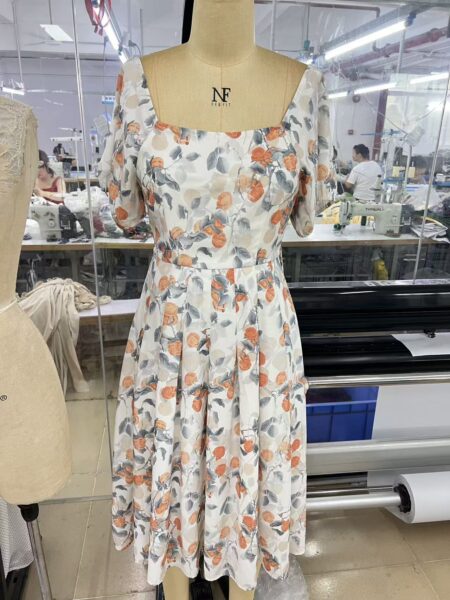
Connect verification to component and label approval
Keep shell, lining and trim records distinguishable when preparing product information. Confirm that the proposed wording is reviewed for the intended market through the buyer’s appropriate process. A material test supports that review but does not by itself approve every aspect of a label.
Review the branding and component documents with the private-label labeling and packaging guide. Where artwork is already printed, identify what is affected before authorizing use. Keep purchasing, technical and artwork owners working from one accepted material record.
For a women’s clothing enquiry to Mugekoo, provide the fabric reference, declared composition, quantities and required verification. Ask the factory to confirm submission timing and responsibilities before bulk cutting. The goal is an evidenced material decision, with the scope of each report clear to the buying team.