Garment carton sealing specifications turn a general instruction to close shipping boxes into a repeatable packing operation. For overseas apparel buyers, the specification should identify the carton, closure material, application pattern and checks required before dispatch. Tape appearance alone is not enough to approve the arrangement. This guide focuses on selecting and applying the closure; separate packaging performance tests evaluate the complete packed carton under their defined procedures.
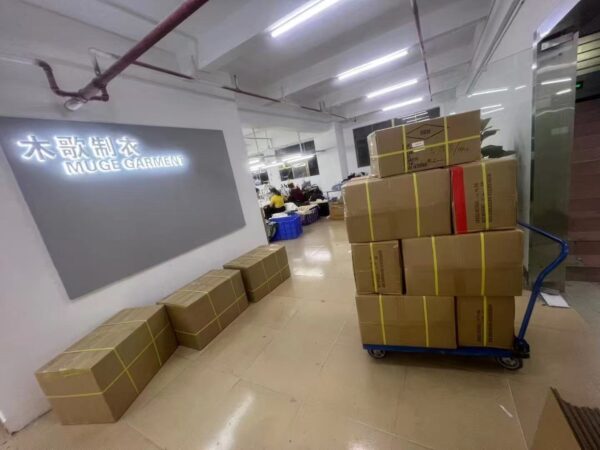
Identify the carton and packed arrangement
Record carton dimensions, material reference, packed mass range and flap arrangement. State whether cartons are manually sealed or use a case-sealing machine. Identify the packing configuration and any customer requirements that affect the outside of the box.
Connect the closure instructions to the carton assortment plan. A closure approved on one configuration should not silently cover a different carton material or substantially different load. Keep the reference tied to the actual packed sample used for approval.
Choose closure material for the carton surface
Specify the tape supplier and product reference, width, backing and adhesive information needed for repeat purchasing. Ask the tape supplier to confirm compatibility with the carton surface and intended application conditions. Clarify whether the factory may propose an alternative and how it will be reviewed.
3M’s guidance on sealing recycled corrugate treats tape lift and application performance as relevant selection issues. Use the actual carton for a closure trial rather than assuming that every tape of the same width behaves equivalently on every board.
Show the closure pattern on a drawing
Provide a diagram of the surfaces and seams to be sealed. Mark the intended tape position, end coverage and any additional strips. If straps or another closure are required, identify them separately and confirm how they interact with the tape and carton.
Keep barcode and shipping-label areas clear according to the approved layout. Distinguish a customer-mandated pattern from a factory proposal. Operators should be able to follow the drawing without deciding on the packing line which seams need extra material or where a label should move.
Approve application on a packed sample
Trial the intended materials with the proposed method of application. Check flap alignment, tape contact, wrinkling, lifted ends and any obvious damage to the carton. Confirm the supplier’s instructions for application pressure and relevant conditions rather than inventing a universal setting.
Review the packed carton after the agreed observation period and handling assessment. Record the materials, application method and findings. A quick check on an empty box may be useful during setup, but final approval should relate to the packed arrangement the factory will actually dispatch.
Keep performance testing distinct from line checks
A visual seal check does not establish resistance to all transit hazards. Where the buyer requires testing, use the approved closure in representative samples for the carton drop assessment or carton compression assessment, as applicable to the agreed test plan.
Do not describe an isolated tape trial as completion of a full packaging protocol. Ask the laboratory which changes to the closure or carton require a new review. Keep any observed failure tied to the sample version so corrective action addresses the arrangement actually tested.
Control bulk materials and packing-line changes
At receipt, verify the tape and carton references against the approval record. Check roll identification and visible condition before issue. During packing, inspect application consistency and define what happens when tape ends lift or the carton cannot be closed in the approved manner.
Agree who may authorize resealing, replacement cartons or an alternative product. Keep substituted materials out of the released specification until the required trial is accepted. A change in supplier or product code should not be hidden behind a generic description such as “clear packing tape.”
To plan garment shipment packing with Mugekoo, provide carton requirements, destinations, quantities and closure drawings. Record revisions through the production change control process. A clear specification gives the packing team a repeatable operation and the buyer a documented basis for release.